


NORTHAMPTON, MA / ACCESS Newswire / October 29, 2026 / Cummins Inc
By Cummins Inc., Global Power Technology Leader
Cummins
Mining is entering a period of significant change. Demand for minerals such as copper, lithium and nickel continues to grow, driven by global infrastructure, manufacturing and energy transition. At the same time, mining companies are under pressure to reduce emissions, improve safety, increase productivity, and operate more efficiently.
These priorities are accelerating new technologies and operating models with the following trends shaping how mines are powered, managed, and operated.
Decarbonization is creating multiple power pathways
Reducing greenhouse gas emissions and reliance on diesel has become a major priority for the mining industry. However, the transition will not be achieved through one technology or at the same pace across every site.
Large haul trucks and other heavy-duty machines operate for long periods, carry significant loads, and often work in remote locations with limited energy infrastructure. Mining companies are therefore exploring several pathways, including hybrid-electric systems, battery-electric equipment, hydrogen-based technologies, and renewable energy at mine sites.
Hybrid systems offer a practical pathway to reduce fuel consumption and emissions while leveraging existing mining infrastructure. By combining an engine with energy storage, trucks can capture energy during braking or downhill operation and reuse it when additional power is required. Battery-electric equipment can reduce direct emissions further, but adoption depends on charging infrastructure, energy availability and equipment duty cycles. Hydrogen technologies may also play a role, although deployment depends on infrastructure and site readiness.
Impact: Decarbonization will follow different routes. Progress will depend on matching each technology to the operating demands and energy infrastructure of the mine.
Automation and digitalization are creating more connected operations
Autonomous trucks, drills, and loaders are becoming more common across mine sites, while remote operating centers are allowing site leaders to manage equipment from safer and more accessible locations. Together, these technologies can support more consistent equipment operation, improve traffic management, and reduce the number of people working in hazardous areas.
Digitalization is helping to accelerate this transition by creating stronger connections between equipment, people, and processes. IoT sensors, telematics and predictive analytics provide greater visibility into equipment health, performance and operating conditions, allowing maintenance teams to identify developing issues earlier and act before they lead to major failures.
Rather than relying solely on scheduled maintenance or responding after a breakdown, mines can use real-time information to plan repairs around production requirements, helping to reduce unplanned downtime and lower repair costs.
As autonomous and remotely managed operations continue to expand, the connection between equipment, data, and decision-making will become increasingly important. Mines will need systems that provide accurate information and support coordinated activity across the site.
Impact: Better connected mines can improve safety, productivity and maintenance planning, but their value depends on accurate data, reliable systems and effective coordination.
Remote and challenging locations are raising operational demands
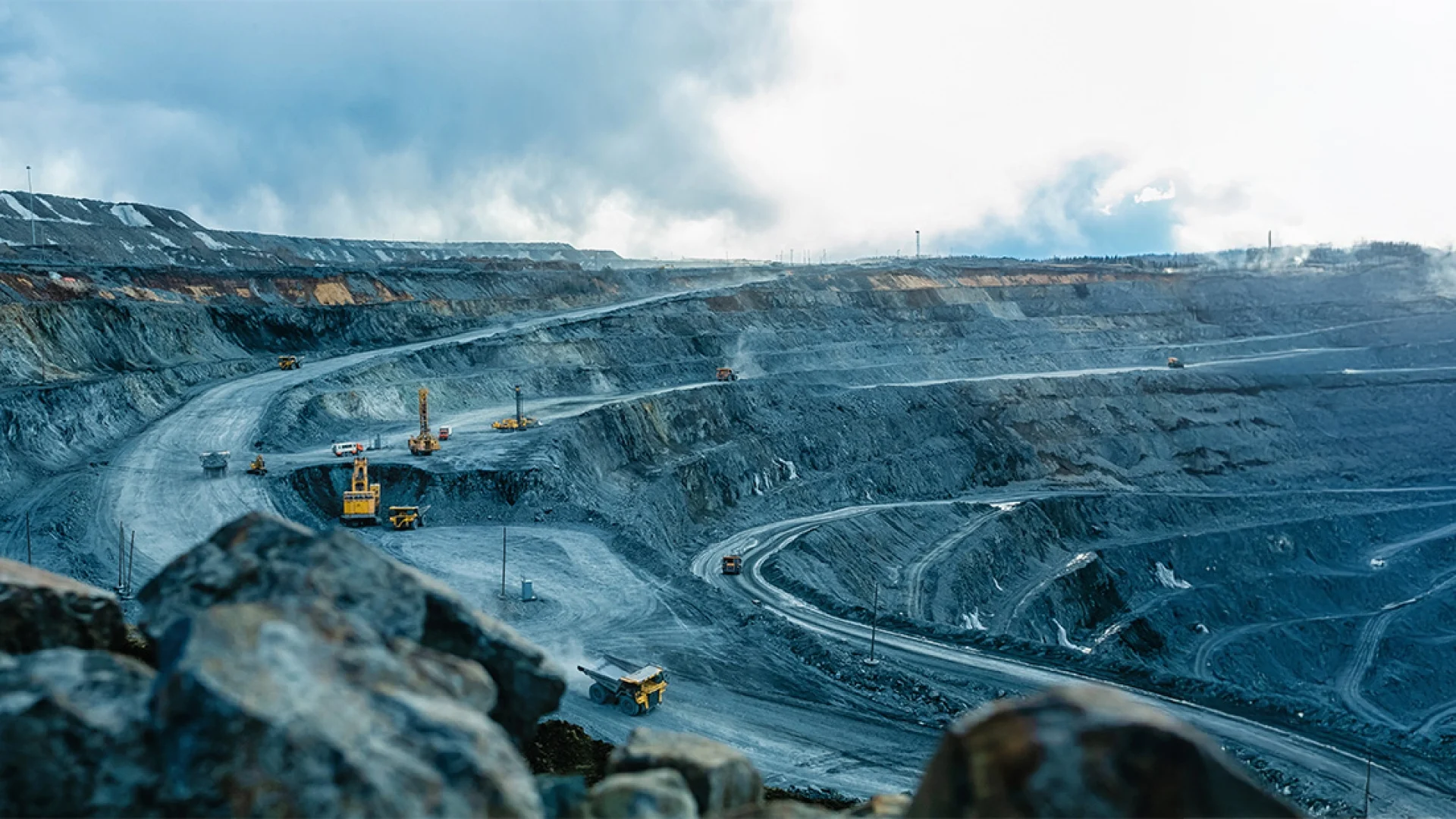
As high-grade ores become harder to access, mining activity is expanding into more remote and extreme environments. From high-altitude operations reaching 4,800 to 5,200 meters above sea level to open-pit mines where temperatures can exceed 131°F (55°C) and Arctic sites where they can drop as low as -46°F (-43°C), mining companies are increasingly operating in some of the world's most demanding conditions.
Equipment must perform in intense heat, freezing temperatures, dusty environments and locations with limited access to maintenance support. These conditions increase the importance of equipment durability and operational visibility. Failure in a remote location can lead to longer delays, higher repair costs, and greater impact on production.
Remote sites often rely heavily on real-time monitoring and remote diagnostics to maintain visibility of equipment performance and identify potential issues before they affect production.
Site location can also influence technology adoption. Limited access to charging, hydrogen or renewable energy infrastructure may affect how quickly certain solutions can be deployed, even where long-term sustainability goals remain a priority.
Impact: As mining moves into more demanding locations, equipment performance, remote monitoring and infrastructure readiness will become increasingly important.
The future will be shaped by connected decisions
Mining is evolving through decarbonization, greater connectivity, and increased automation, but there is no single roadmap for every operation. Geography, infrastructure, energy availability and business priorities will all influence the choices mining companies make.
While the technologies may differ, the direction of travel is clear. Mining companies are looking for ways to improve safety, reduce environmental impact, and maintain productivity in increasingly complex operating environments.
As these trends continue to converge, the challenge is no longer addressing individual priorities in isolation. Mining companies need solutions that can perform reliably in demanding environments, provide the connectivity needed for data-driven decision-making, and support multiple pathways toward decarbonization as technologies and infrastructure continue to evolve.
Success will depend less on any individual technology and more on how effectively different solutions are combined to meet the needs of each operation. As the industry continues to evolve, the value of trusted partners, such as Cummins, that can help miners navigate emerging technologies and bring these capabilities together will become increasingly important.
Find more stories and multimedia from Cummins Inc at 3blmedia.com.
Contact Info:
Spokesperson: Cummins Inc
Website: https://www.3blmedia.com/profiles/cummins-inc
Email: info@3blmedia.com
SOURCE: Cummins Inc
View the original press release on ACCESS Newswire:
https://www.accessnewswire.com/newsroom/en/automotive/three-trends-shaping-the-future-of-mining-1243533
