

How technology could reshape the checkpoint while keeping security at the center
NORTHAMPTON, MA / ACCESS Newswire / November 4, 2026 / Why it matters
- Airport screening has changed significantly since 9/11
- Connected systems could make screening more adaptive
- Future checkpoints must balance security, efficiency and privacy
In a recent article, Darby LaJoye, Leidos vice president of Airports, Borders and Security, reflects on how airport security has evolved since Sept. 11, 2001, and what the next 25 years could bring.
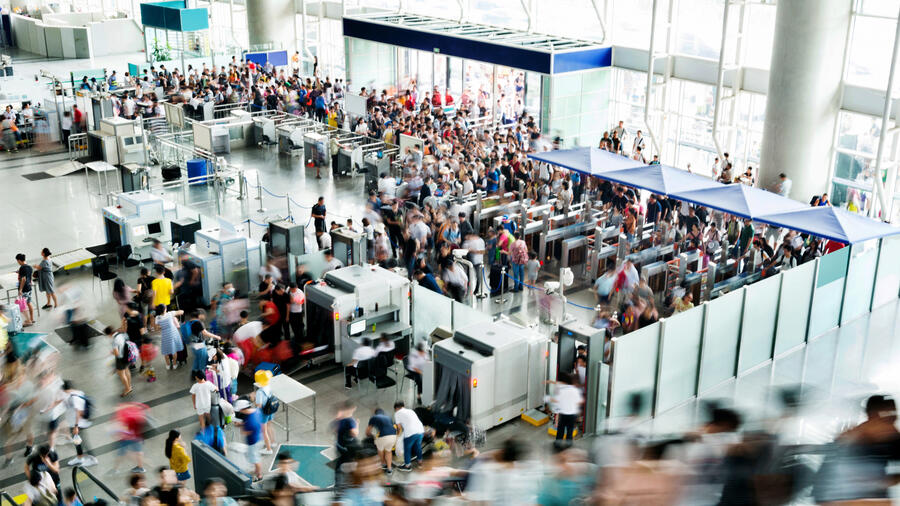
Over the past quarter century, aviation security has progressed from a largely hardware-focused approach built around X-ray systems and metal detection to an increasingly connected environment incorporating computed tomography, biometrics, identity authentication and risk-based screening.
What airport and security leaders can take from the next era of screening
- The checkpoint is becoming more adaptive. Identity, travel credentials and risk information are creating opportunities to tailor screening to individual travelers.
- Software is expected to play a larger role. Open architecture and standardized interfaces can make it easier to introduce new capabilities and detection algorithms.
- AI is poised to reshape how frontline personnel work. AI-enabled threat detection and automated alarm resolution can help personnel focus more attention on exceptions, decision-making and overall system performance.
- Greater integration can reduce friction. Connecting technology, data and screening processes can reduce unnecessary transactions and create a more efficient passenger experience.
Looking toward 2050, airport security could become part of a broader digital ecosystem that brings together threat information, identity, trust and passenger choice. Travelers could encounter fewer transactions and more personalized screening, while security personnel gain better information to identify and respond to potential threats.
We owe a debt of gratitude to the TSA, the FAA, airline crews, law enforcement and the thousands of frontline airport personnel who work in the spotlight and behind the scenes every day. Technology will continue to change, but their mission remains constant: keeping the traveling public safe.
Darby LaJoye, Vice President, Airports, Borders and Security, Leidos
Technology is only part of that evolution. The people responsible for aviation security will remain central to the mission. As screening systems become more connected and automated, their purpose remains unchanged: protecting the traveling public.
Key takeaways
- The next generation of airport security will increasingly connect identity, data and detection
- AI and open architectures could make screening more adaptive without requiring constant hardware replacement
- A more efficient passenger experience and stronger security can advance together
READ THE ORIGINAL ARTICLE ON THE FUTURE OF AIRPORT TECHNOLOGY
Find more stories and multimedia from Leidos at 3blmedia.com.
Contact Info:
Spokesperson: Leidos
Website: https://www.3blmedia.com/profiles/leidos
Email: info@3blmedia.com
SOURCE: Leidos
View the original press release on ACCESS Newswire:
https://www.accessnewswire.com/newsroom/en/business-and-professional-services/the-next-25-years-of-airport-security-1246515
