
71% of consumers are confident they can identify scams, but 67% of those approached by a scammer fell for the fraud.
AMSTERDAM, Oct. 01, 2021, of 4,300+ consumers, scammers reach nearly everybody. 62% of the survey participants are certain that they have been exposed to a scam in the last year. The main reason consumers get scammed? Hubris! There is a huge gap between how good consumers think they are at identifying scams and the reality. 67% of the respondents who had been targeted by a scam said they had fallen for it. However, 71% of the respondents are (very) confident in identifying a scam.
42% approached more often by scammers
The number of scams is increasing. 42% stated being approached more often. Phishing (35%) is still the most reported 'popular' scam. But fraudulent (cryptocurrency) investment schemes (25%), unexpected wealth scams (24%) and, non-delivery of ordered products are gaining more and more ground.
Greed is not the most common cause
Consumers get scammed for different reasons. 45% of the victims of scams do not identify the scam until it is too late. Another 24% state a lack of knowledge to identify the scam as the primary reason for having fallen for it. Greed and "taking a gamble" are named by 31% of the users as primary reasons for becoming a victim.
There are several reasons why consumers keep falling for scams. 41% of the consumers check reviews on other websites, which are increasingly fake. 19% check a website's SSL certificate which is not a trust indicator at all.
Investment scams are on the rise
Most consumers lost money (56%) or data (16%). The amount lost differs from $1.59 to nearly $700,000. In line with the rise of cryptocurrency scams, more victims report their losses in bitcoins and not their national currency.
Scammers are safe as consumers fail to report
Only 44% of the users reported scams, primarily to review websites (21%), followed by the hosting company (14%). The national police is the least popular reporting channel (6%).
Of the 46% who claimed not to report a scam, 23% do not know to whom to report the scam whilst 11% believe that reporting a scam would not make a difference.
Participants state that law enforcement agencies and governments are not doing enough to fight scams. 65% of respondents perceived their police and governments efforts as (very) poor.
The full report is presented at the Global Online Scam Summitand can be downloaded from ScamAdviser.com.
###
About ScamAdviser
Scamadviser is an initiative of the Ecommerce Foundation. More than 100,000 consumers check ScamAdviserevery day. ScamAdviser's data is used by anti-virus software, browsers and internet filters to keep more than 1 billion users safe. Contact: jorij.abraham@ecommercefoundation.org.
Related Files
Report - Why do consumers get scammed.pdf
Long Article - Why do consumers get scammed.docx
Related Images
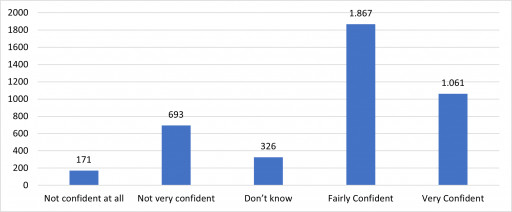
Image 1: Consumers are confident they can recognize scams
This content was issued through the press release distribution service at Newswire.com.
Attachment
- Consumers are confident they can recognize scams (https://ml.globenewswire.com/Resource/Download/907a9b7c-fa6b-4d24-8acd-f3cd693fcc15)

