
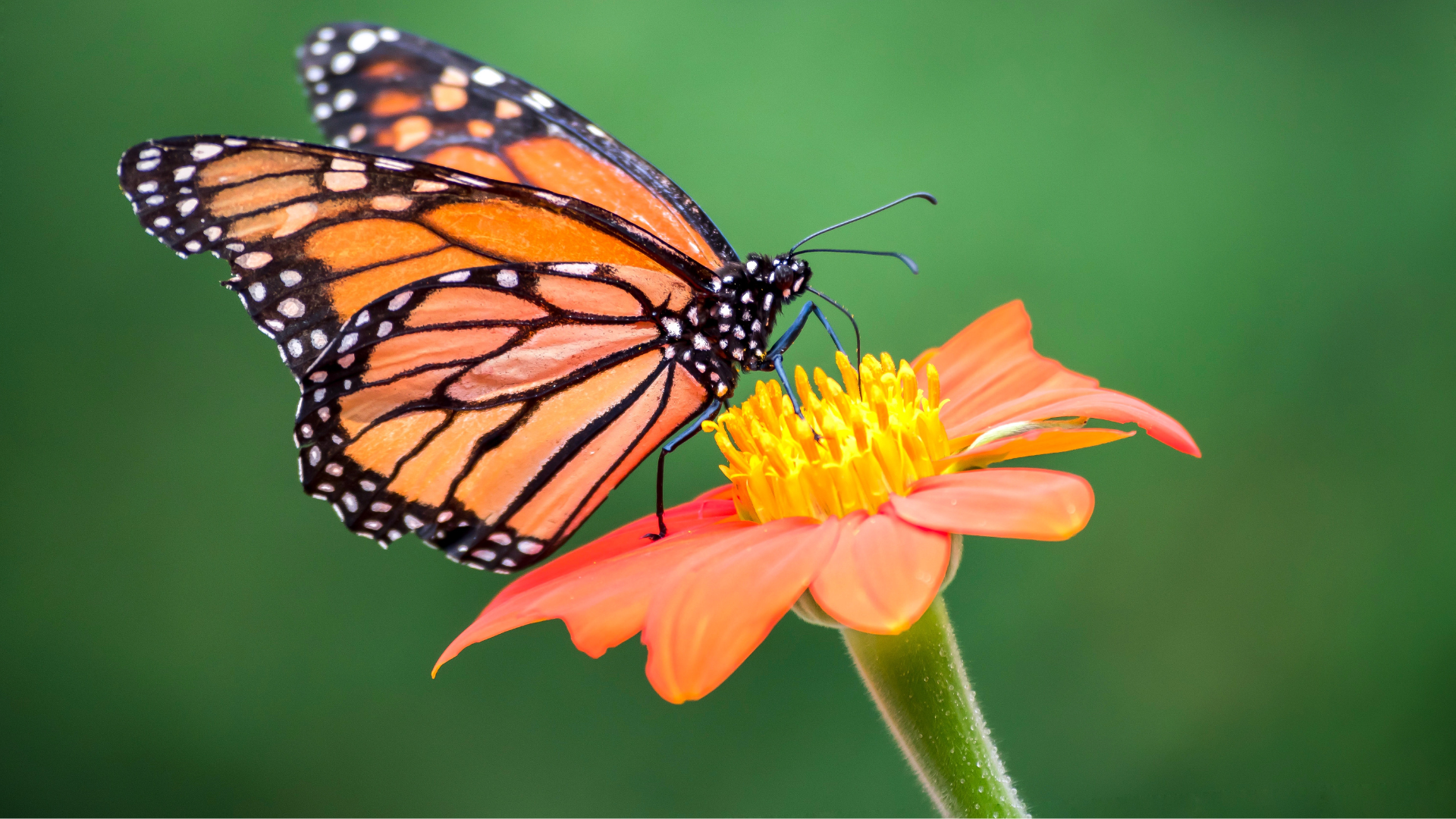
ATLANTA, GA / ACCESS Newswire / September 9, 2026 / The Georgia Department of Transportation (Georgia DOT) and The Ray have partnered to establish monarch butterfly pollinator meadows at nine Georgia DOT highway right-of-way sites across the state. The nine meadows represent Georgia DOT's first installed acres banked through the Nationwide Candidate Conservation Agreement with Assurances (CCAA) for the Monarch Butterfly on Energy and Transportation Lands, a voluntary conservation initiative that encourages transportation agencies to create, maintain, and manage monarch butterfly habitat on transportation lands.
"Monarch butterfly populations have been declining in recent years, and these pollinator sites demonstrate how transportation infrastructure and environmental stewardship can create meaningful conservation opportunities," said Georgia DOT Commissioner Russell R. McMurry, P.E. "The Ray has long been a valued and trusted partner of the department, and we are pleased to continue our collaboration to help protect and preserve monarch butterfly habitats."
Through this collaborative effort, Georgia DOT prepared the roadside sites and implemented conservation mowing practices, adjusting mowing schedules to allow native vegetation and flowering plants to grow and provide habitat and nectar for monarch butterflies and other pollinators. The Ray coordinated the planting and evaluation of the habitats, monitoring plant growth and coverage, pollinator activity, and how well native vegetation performs under different roadside conditions.
"Installing these meadows across Georgia gave us the opportunity to take what we've learned through years of roadside research on The Ray Highway and apply it at a much larger scale," said Josh Weaver, Ph.D., Natural Capital Manager at The Ray. "Each site presents different soils, slopes, and growing conditions, so this work is about more than planting wildflowers. We're demonstrating how Georgia's highway rights-of-way can be intentionally managed to provide meaningful monarch and pollinator habitat while also evaluating native vegetation as a practical tool for slope stabilization, erosion control and long-term roadside management."
Georgia DOT and The Ray will continue monitoring the nine meadow sites as the plantings become established. Information gathered from the project will help partners evaluate the use of native vegetation for roadside habitat and slope stabilization and identify opportunities for future work.
To learn more about Georgia DOT and The Ray's work to protect monarch butterfly habitats, please click the link below to listen to the podcast.
Find more stories and multimedia from Ray C. Anderson Foundation at 3blmedia.com.
Contact Info:
Spokesperson: Ray C. Anderson Foundation
Website: https://www.3blmedia.com/profiles/ray-c-anderson-foundation
Email: info@3blmedia.com
SOURCE: Ray C. Anderson Foundation
View the original press release on ACCESS Newswire:
https://www.accessnewswire.com/newsroom/en/business-and-professional-services/the-ray-and-georgia-department-of-transportation-expand-roadside-1218610
