
VANCOUVER, British Columbia, Sept. 16, 2026 (GLOBE NEWSWIRE) -- A.I.S. Resources Limited (TSX-V: AIS • OTC PINK: AISSF • FRA:5YH) (the "Company" or "A.I.S.") is pleased to announce that it has completed part of the Phase 1 drill program on the permitted areas on the Company's New Brunswick exploration properties. The Company engaged local drilling contractor ICor Drilling Services of Penobsquis, New Brunswick, for a planned Phase 1 diamond drilling program.
Highlights
- Initial Phase 1 drilling was completed with eight NQ diamond drill holes across the Pocologan, Little Lepreau, and Prince of Wales areas of southwestern New Brunswick.
- At Pocologan, drilling intersected structurally deformed, mylonitized gabbro of the Early Silurian Andy Ponds Gabbro Formation cut by felsic dykes. Visual disseminated sulphides were observed across multiple intervals.
- The sulphide-bearing mafic intrusive rocks provide an additional geological vector for follow-up within the Company's current copper-gold-silver and IOCG-style exploration models based on surface mineralization identified during field prospecting. These models remain unconfirmed pending laboratory results.
- At Little Lepreau, drilling tested Talbot Road Granodiorite and was designed to cross the Carboniferous Lancaster Formation, with highly fractured and faulted ground affecting drilling in one hole.
- At Prince of Wales, drilling intersected brecciated and altered granite and granodiorite containing chloritic, kaolinitic and hematitic alteration. No visible mineralization was observed, as the proposed target zone was not reached as both drill holes were abandoned due to mechanical failure in the fault zones.
- Samples have been submitted to ALS Laboratories and AGAT Laboratories under the Company's QA/QC and chain-of-custody procedures. Assay results are pending.
CEO Marc Enright-Morin said, "We are extremely encouraged by what we are seeing in the drill core, particularly at Pocologan. The combination of structurally deformed intrusive rocks, felsic dykes and disseminated sulphides is providing important geological support for the exploration model that led us to prioritize these targets. While we await the assays, these observations are beginning to corroborate our earlier thesis that we may be dealing with a much larger mineralizing system than previously recognized. Seeing these geological features in drill core is an important step forward and gives us additional vectors to guide the next phase of exploration. We believe we are starting to connect the dots between the surface mineralization, geophysics and deeper geological architecture, and we are increasingly excited about the potential for a district-scale IOCG-porphyry system in southwestern New Brunswick."
The Company cautions that the New Brunswick projects are at an early stage of exploration. No mineral resource has been defined on the projects, and there has been insufficient work completed by A.I.S. to verify the scale, continuity, grade or economic significance of the reported historical mineralization or exploration targets.
Drill Program Details
The planned Phase 1 program comprises approximately 2,000 metres of diamond drilling designed to test the priority exploration targets areas which were identified by the Company through its geological compilation, airborne geophysical surveys, field evaluation, and exploration targeting work. The current program comprised eight NQ size diamond drill holes totaling 1,340 meters in depth (see Table 1): one hole in the Pocologan area, five in the Lepreau area, and two in the Prince of Wales area. These holes were inclined at angles between 45 and 60 degrees. The remaining drilling will be completed as soon as the permits for other targets are received from the NB Ministry of Natural Resources and Energy Development. The Company's exploration team is currently logging and sampling the drill core. The samples are being sent to ALS and Agat laboratories for sample preparation and analysis. Both labs are accredited independent laboratories in Canada.
In the Pocologan area, a single hole was completed to a depth of 242.5 metres. This hole primarily intersected mylonitized gabbros of the Early Silurian Andy Ponds Gabbro Formation mafic minerals with felsic dykes. Visual sulphide mineralization was recorded across multiple intervals, generally occurring as disseminations. A total of 40 samples including QA/QC samples have been selected for laboratory analysis.
Five drill holes with a cumulative depth of 808.50 m were drilled in the Little Lepreau pit area. Two of these holes (LP26-02 and LP26-03) intersected the Talbot Road Granodiorite of the
Golden Grove plutonic suite, which is Late Neoproterozoic to Early Cambrian in age. The remaining three holes were collared in the Talbot Road Granodiorite but were targeted to cross the Carboniferous Lancaster Formation. One of these three holes was abandoned at 80 m due to mechanical problems in loose and highly fractured and faulted strata. A total of 76 samples were selected from various intervals across all five holes and sent to Agat Laboratories for analytical work.
Two holes with a collective depth of 289 m were drilled in the Prince of Wales area; however, they failed to reach their proposed depths and were abandoned well above the target zone due to mechanical failure in the fault zones with poor core recovery.
The rocks intersected in these holes consist of brecciated, altered granite and granodiorite belonging to the Prince of Wales Granite / Talbot Road Granodiorite of the Golden Grove plutonic suite, which dates from the Late Neoproterozoic to Early Cambrian. These rocks have shown surface mineralization and were targeted for the current drill program. The granite and granodiorite occur mostly as loosely cemented or highly broken, brecciated material, with fresh intervals being less common. Primary Alteration include Chloritic alteration and Secondary Alteration: Kaolinization and hematitic alteration are secondary. No visible mineralization was observed. A total of 20 samples were selected from both holes for analytical work.
QA/ QC program
Drill core from the New Brunswick drilling program was transported to the New Brunswick Department of Natural Resources and Energy Development core facility in Sussex, New Brunswick, where it was logged, photographed, and sampled under the supervision of qualified geological personnel. Sample intervals were selected based on geological observations, including lithology, alteration, veining and visible mineralization. Core samples were marked and assigned unique sample identification numbers and prepared for laboratory submission. A quality assurance and quality control ("QA/QC") program was implemented that included the insertion of certified reference materials, blanks and duplicate samples at a combined frequency of approximately 10% of the samples submitted for analysis. Samples were securely packaged and maintained under appropriate chain-of-custody procedures prior to shipment to ALS Laboratories and AGAT Laboratories for sample preparation and analysis. Both ALS and AGAT are independent of A.I.S.
Analytical results and associated QA/QC data will be reviewed and validated prior to their use in the interpretation and public disclosure of exploration results.
Geological Setting and History:
Southern New Brunswick is a prospective mineral exploration jurisdiction with a long history of mineral occurrences and past-producing deposits associated with Appalachian volcanic, sedimentary, intrusive and structurally controlled geological settings. The region hosts geological environments considered favourable for copper, gold, silver, zinc, antimony, cobalt, nickel and other critical minerals. Mineralization in the region may be associated with fault zones, volcanic and sedimentary contacts, intrusive-related systems, skarn-style alteration, and structurally controlled vein and breccia systems.
A.I.S. believes its New Brunswick property portfolio provides an opportunity to evaluate multiple early-stage mineralized trends using modern exploration methods, including geological mapping, geochemistry, airborne and ground geophysics, and targeted drilling.
The Company has increased its land package from 9,555 hectares to 26,952 hectares (269.5 km²) across Southwestern New Brunswick. The Company's current work is designed to test exploration concepts and high-priority targets. Additional work is required before any conclusions can be made regarding continuity, grade, scale or economic potential.
Qualified Person
Technical information in this news release has been reviewed and approved by Afzaal Pirzada, P.Geo., V.P. of Exploration for A.I.S. Resources Limited, who is a Qualified Person as defined by National Instrument 43-101 - Standards of Disclosure for Mineral Projects.
About A.I.S. Resources Limited
A.I.S. Resources Limited is a publicly traded company, listed on the TSX Venture Exchange, dedicated to acquiring and exploring resource projects with the goal of building shareholder value through disciplined exploration, rigorous technical assessment, and responsible project development. The Company is led by a team with extensive experience in mineral exploration, project generation, finance, and capital markets. A.I.S. holds a substantial land position across major terrane boundaries and crustal-scale structures in southwestern New Brunswick, where emerging geophysical, geological, and geochemical data indicate the potential for a district-scale IOCG-porphyry mineral system.
On Behalf of the Board of Directors,
A.I.S. Resources Limited Marc Enright-Morin, CEO
For further information please contact: Marc Enright-Morin, CEO
M: +1-778-892-5455
E: marc@aisresources.com
ADVISORY: This news release contains forward-looking information and forward-looking statements within the meaning of applicable Canadian securities laws. Forward-looking information includes, but is not limited to, statements regarding the Company's proposed field validation, sampling, permitting, drill-collar planning, proposed initial drill program, expected timing of drilling, contractor availability, access, weather conditions, financing, receipt of required permits and approvals, and the Company's future exploration plans for its New Brunswick properties.
Forward-looking information is based on management's current expectations, estimates, projections, assumptions, and beliefs, including assumptions regarding the availability of contractors, weather and operating conditions, receipt of any required permits or approvals, access to the project area, availability of financing, and the Company's ability to complete the proposed exploration program as currently contemplated. Forward-looking information is subject to known and unknown risks, uncertainties, and other factors that may cause actual results, performance, or achievements to differ materially from those expressed or implied by such forward-looking information. Such risks include, but are not limited to, exploration and development risks, permitting and access risks, contractor availability, weather delays, market conditions, commodity price fluctuations, financing risks, regulatory risks, and the risk that exploration results may not support further work. Readers are cautioned not to place undue reliance on forward-looking information. The forward-looking information contained in this news release is made as of the date hereof, and the Company undertakes no obligation to update or revise such information except as required by applicable securities laws.
Neither the TSX Venture Exchange nor its Regulation Services Provider (as that term is defined in the policies of the TSX Venture Exchange) accepts responsibility for the adequacy or accuracy of this release
Project Photos
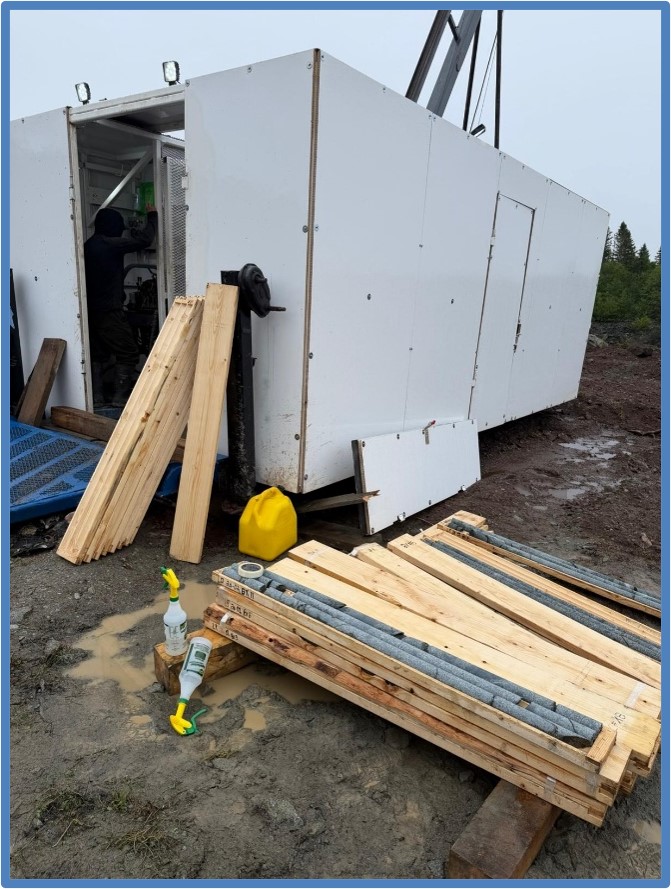
Figure 1 - Drill Rig in Operation at Pocologan
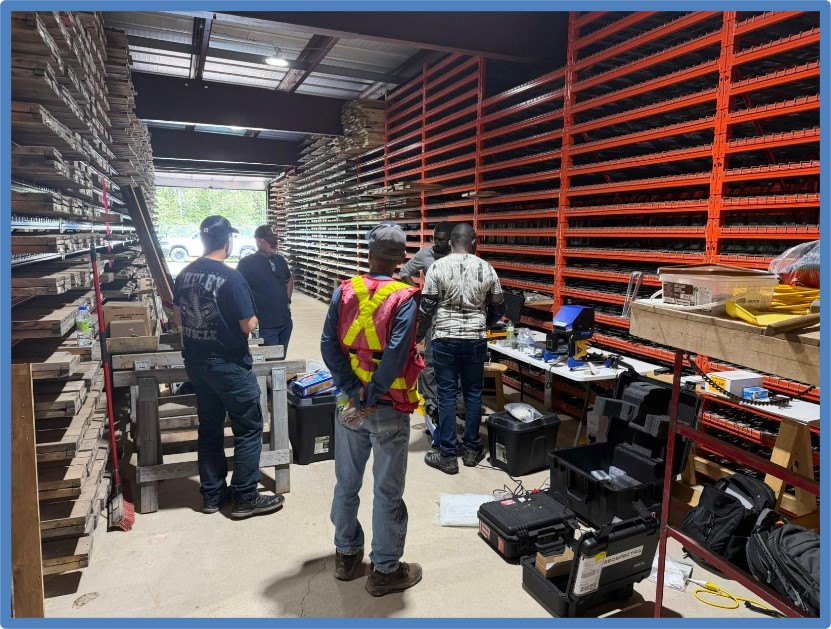
Figure 2- Core Logging Facility at Sussex
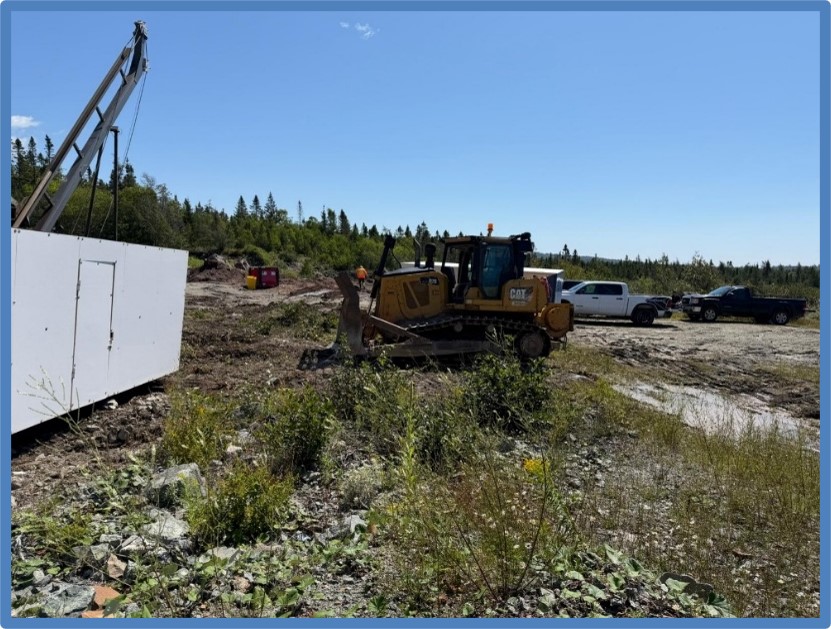
Figure 3- Mobilization and Site Preparation at Little Lepreau
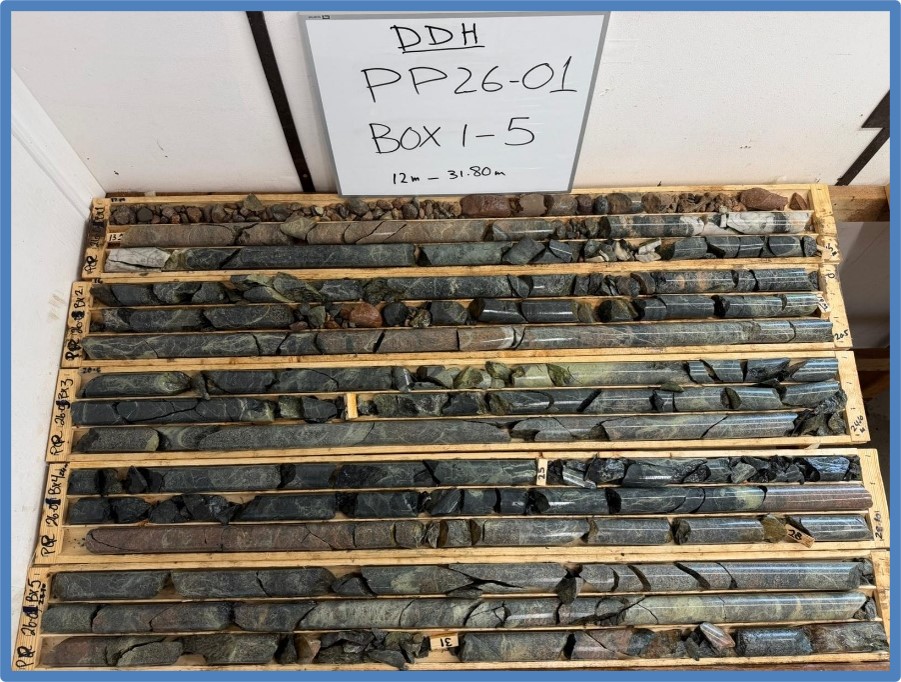
Figure 4- Core being documented before cutting samples
Table 1: Drilling Details
Drill Hole | Date Started | Date Completed | Total Depth (m) | Easting (19T zone) | Northing (19T zone) | Azimuth | Dip | Core Recovery |
PP26-01 | July 28 2026 | August 01 2026 | 242.50 | 684235 | 4997739 | 280 | -50 | Approximately 100% |
LP26-02 | August 02 2026 | August 04 2026 | 110.00 | 700580 | 5002761 | 290 | -60 | Approximately 100% |
LP26-03 | August 04 2026 | August 05 2026 | 64.50 | 700555 | 5002772 | 290 | -45 | Approximately 100% |
LP26-04 | August 05 2026 | August 10 2026 | 300.00 | 700576 | 5002765 | 105 | -50 | Approximately 100% |
LP26-05 | August 12 2026 | August 15 2026 | 80.00 | 700567 | 5002582 | 135 | -50 | Very poor recovery, only 43.75m recovered |
LP26-06 | August 16 2026 | August 20 2026 | 254.00 | 700582 | 5002691 | 120 | -50 | Approximately 100% |
SJ26-07 | August 20 2026 | August 23 2026 | 152.00 | 712369 | 5008049 | 40 | -50 | Very poor recovery, only 98.07m recovered |
SJ26-08 | August 23 2026 | August 26 2026 | 137.00 | 712366 | 5008047 | 315 | -60 | Very poor recovery, only 99m recovered |
| Total | 1340.00 |
Photos accompanying this announcement are available at
https://www.globenewswire.com/NewsRoom/AttachmentNg/c0624f5d-fc21-4068-a678-2f208721d482
https://www.globenewswire.com/NewsRoom/AttachmentNg/3609b21d-fd2f-4c27-8531-99ba4761f5b1
https://www.globenewswire.com/NewsRoom/AttachmentNg/6b8d213e-82b9-478d-a379-0e782120ddad
https://www.globenewswire.com/NewsRoom/AttachmentNg/1191baf3-083d-41af-b00a-d210d5d56498

