Anzeige
❌
Mehr »
Dienstag, 03.11.2026 - Börsentäglich über 12.000 News
4,7 Mrd. USD aus Washington für alte Bohrlöcher: Wer sichert sich die Aufträge?
Anzeige

Indizes

Kurs

%
News
24 h / 7 T
Aufrufe
7 Tage

Aktien

Kurs

%
News
24 h / 7 T
Aufrufe
7 Tage

Xetra-Orderbuch

Fonds

Kurs

%

Devisen

Kurs

%

Rohstoffe

Kurs

%

Themen

Kurs

%

Erweiterte Suche
ED

WKN: A3L0AD | ISIN: FR001400QR88 | Ticker-Symbol:
Frankfurt
03.11.26 | 08:02
92,70 
+0,03 % +0,03
Branche
Versorger
Aktienmarkt
Anleihen
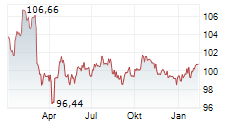
1-Jahres-Chart
ELECTRICITE DE FRANCE Chart 1 Jahr
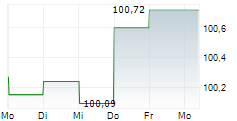
5-Tage-Chart
ELECTRICITE DE FRANCE 5-Tage-Chart
RealtimeGeldBriefZeit
93,0993,7714:49
GlobeNewswire (Europe)
636 Leser
Artikel bewerten:
(2)

ProDESC: French Court to Hear Case Brought by Mexican Indigenous Community Against French Company EDF

Hearing in the Unión Hidalgo v. EDF case will take place on 24 September in Paris

PARIS and MEXICO CITY, Sept. 21, 2026 (GLOBE NEWSWIRE) -- After nearly six years of legal proceedings, ProDESC today announced that the Paris Judicial Court will examine on September 24 at 1:30 p.m. the merits of the case filed by members of the Indigenous community of Unión Hidalgo, Oaxaca, against Électricité de France (EDF), regarding the Gunaa Sicarú wind project.

This is the first case in France under the Duty of Vigilance Law concerning potential violations of Indigenous and collective rights. The community maintains that EDF failed to respect its right to consultation, the collective nature of its land, and its right to give free, prior and informed consent (FPIC). The project was also associated with community polarization, intimidation, harassment, and attacks against human rights defenders.

EDF ended the project in January 2026, but proceedings continue because of the harm already caused and the broader implications for other communities.

"Although we managed to stop the project, what we went through cannot be erased. Taking this case to court in France means our voice can be heard beyond Mexico. We hope it helps ensure that other communities do not have to go through the same thing and shows that no energy can be called clean if it does not respect our rights," said Guadalupe Ramírez, a member of the Unión Hidalgo community.

"In Latin America and the Global South, we see a recurring pattern: megaprojects arrive under the promise of development or the energy transition, but end up violating rights. There is no just transition if communities' rights are violated," said Alejandra Ancheita, Executive Director of ProDESC.

"Against a backdrop of weakening due diligence mechanisms, this case takes on even greater significance. Companies' human rights obligations do not end at the borders of the country where they are headquartered," said Guillermo Torres, Legal Coordinator at ProDESC.

Media Information

Hearing: September 24, 2026, 1:30 p.m.
Location: Paris Judicial Court

Representatives from ECCHR and CCFD-Terre Solidaire will be in Paris and available for interviews and statements before and after the hearing.

Photos, videos and testimonies:
https://drive.google.com/drive/folders/1lHK2kGUQd8QBBfAoNBZgov3IAAXAXWUA?usp=sharing

Interview requests / press contacts:
Valeria Berumen
comunicacion.estrategica@prodesc.org.mx
+52 55 1503 2410

Sophie Rebours
s.rebours@ccfd-terresolidaire.org
07 61 37 38 65


© 2026 GlobeNewswire (Europe)
Historische Öl-Krise - 5 Aktien, die davon profitieren!
Der Iran-Krieg hat den globalen Energiemarkt erschüttert. Zerstörte Förderanlagen, ausgefallene Transportwege und fehlende Raffineriekapazitäten sorgen dafür, dass nicht nur Rohöl, sondern vor allem Benzin und Diesel knapp und teuer bleiben könnten. Selbst ein Ende der Kämpfe würde das Problem nicht über Nacht lösen, der Wiederaufbau der Energieinfrastruktur dürfte Jahre dauern.

Während viele Anleger jetzt auf ExxonMobil, Chevron oder Shell setzen, könnte das größere Potenzial längst woanders liegen. Denn hohe Ölpreise machen neue Investitionen in Förderung, Transport und Verarbeitung wieder attraktiv. Davon profitieren vor allem jene Unternehmen, die Bohrtechnik, Ausrüstung und Dienstleistungen bereitstellen oder bereits über wertvolle Infrastruktur verfügen.

Hier dürfte die zweite Welle des Öl-Booms entstehen. Statt den bereits stark gelaufenen Produzenten hinterherzulaufen, können Anleger auf die Unternehmen setzen, die am milliardenschweren Wiederaufbau der globalen Energieinfrastruktur verdienen.

In unserem aktuellen Spezialreport zeigen wir 5 Aktien, die von der historischen Öl-Krise besonders profitieren könnten.

Jetzt den kostenlosen Report sichern und die möglichen Gewinner der zweiten Öl-Welle entdecken!
Werbehinweise: Die Billigung des Basisprospekts durch die BaFin ist nicht als ihre Befürwortung der angebotenen Wertpapiere zu verstehen. Wir empfehlen Interessenten und potenziellen Anlegern den Basisprospekt und die Endgültigen Bedingungen zu lesen, bevor sie eine Anlageentscheidung treffen, um sich möglichst umfassend zu informieren, insbesondere über die potenziellen Risiken und Chancen des Wertpapiers. Sie sind im Begriff, ein Produkt zu erwerben, das nicht einfach ist und schwer zu verstehen sein kann.