
Miami periodontist explains how laser-assisted surgery reaches diseased gum tissue without incisions or sutures, and what patients can expect from treatment.
MIAMI, FL / ACCESS Newswire / September 24, 2026 / For decades, surgical treatment for advanced gum disease meant one thing: opening the gum tissue with a scalpel to reach the infected areas below, then closing it with stitches. Many patients still assume that is the only option. At Gallardo Periodontics and Implant Dentistry, experienced Miami periodontist Dr. John Paul Gallardo has spent years offering a different approach, and he is using his social channels and consultations to explain how it works and how it differs from what patients expect.
That approach is LANAP, the Laser-Assisted New Attachment Procedure, which Dr. Gallardo has performed at his Miami practice for years.
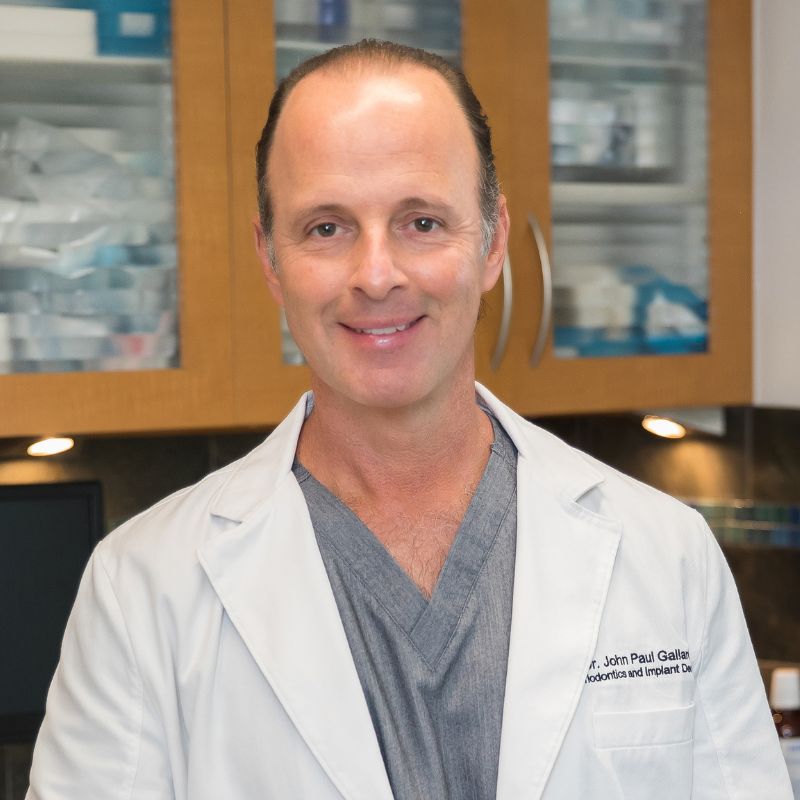
The Difference Comes Down to Invasiveness
Asked what separates the two procedures, Dr. Gallardo puts it in terms most patients understand immediately.
"The difference between LANAP and the traditional periodontal surgeries is basically the level of invasiveness," he says. "With traditional surgeries, it does involve a scalpel. It does involve reflecting tissue to access the damage or the diseased areas. With the laser, it doesn't. We're actually working in a closed environment where the small fiber optic is being fed down to the depth of each pocket, actually reaching the defects, all without cutting or using the sutures."
That closed environment is the central distinction. In conventional flap surgery, the periodontist lifts the gum away from the teeth and bone to see and clean the infected pockets, then repositions and sutures the tissue. In LANAP, a thin fiber optic delivers laser energy directly into each periodontal pocket. The gum tissue stays in place throughout the procedure.
How the Laser Works Inside the Pocket
The laser used in the LANAP protocol is the PerioLase MVP-7, an Nd:YAG laser cleared by the FDA for this application. Its wavelength is selectively absorbed by inflamed tissue and the bacteria causing the infection, which allows the laser to remove diseased tissue while leaving healthy gum tissue largely undisturbed.
The procedure follows a defined sequence. After the area is numbed, the laser makes a first pass through the pocket to remove bacteria and diseased tissue. Tartar on the root surfaces is then removed with ultrasonic scalers and hand instruments. A final laser pass cleans the pocket and forms a seal that helps keep new bacteria out during healing.
That final step matters for the outcome. The seal supports the body's own healing process, and the protocol is designed to encourage new attachment of the gum tissue to the root surface and, in many cases, new bone growth in areas that had been lost to disease. Dr. Gallardo's practice has documented bone regeneration on follow-up imaging in LANAP patients.
What the Full Protocol Looks Like
Patients are often surprised to learn that the LANAP protocol extends well beyond the treatment day. Dr. Gallardo has addressed this directly.
"The protocol itself is one year long, but the main appointment happens in the beginning," he explains. "It's a three-hour appointment done with IV sedation and everything is done at that appointment. Everything else throughout the year is bacteria control appointments, cleanings, follow-ups, the fabrication of a night guard in many cases."
The night guard ties back to something Dr. Gallardo mentions about recovery: patients who clench or grind their teeth are the ones most likely to feel sensitivity afterward, so protecting the treated teeth during healing is part of the protocol for many patients. The follow-up cleanings serve a similar purpose, keeping bacterial levels low while the tissue heals.
Gallardo Periodontics is state licensed to provide IV sedation, and Dr. Gallardo performs procedures in a private, accredited treatment room within the practice.
Recovery Compared to Conventional Surgery
The most noticeable difference for patients tends to come after the appointment. Because there are no incisions and no sutures, there is no surgical wound to protect in the usual sense.
"As far as recovery, there is no recovery," Dr. Gallardo says. "Most patients do really great unless they clench or they grind their teeth. Then maybe they'll be sensitive for a few days."
Patients are still given aftercare instructions, which generally include a soft diet for the first week and avoiding brushing or flossing the treated areas for the first seven to ten days so the new seal is not disrupted. Most patients return to their regular activities within a day or two.
Who LANAP Is Designed For
LANAP can be an option for patients with moderate to advanced periodontitis, including those with deep pockets, gum recession, or loose teeth related to bone loss. It may also suit patients who have not responded well to non-surgical treatment, or who have put off surgery because of the scalpel and sutures involved.
Candidacy is determined at a consultation, where Dr. Gallardo reviews the patient's medical history, measures pocket depths, and uses digital X-rays to assess bone levels. Smokers may still be candidates, though healing can be slower and results less predictable. Not every case calls for LANAP, and Dr. Gallardo discusses conventional surgery and non-surgical options when they fit the patient better.
About Dr. John Paul Gallardo
Dr. John Paul Gallardo is a renowned Miami periodontist with more than 30 years of experience focused exclusively on the diagnosis and treatment of periodontal disease and the placement of dental implants. He earned his Doctor of Dental Surgery degree from New York University College of Dentistry in 1991, received the Outstanding Resident of the Year award during his general practice residency at the V.A. Medical Center, and completed advanced graduate training in periodontics and dental implants at Boston University, earning a C.A.G.S. degree.
Dr. Gallardo has lectured nationally and internationally to dentists and hygienists, guides dental students at the University of Florida, and has been interviewed by the Miami Herald and Univision on oral health topics. He performs more than 400 surgical procedures each year. Treatment insights and patient education, including his explanations of LANAP, are regularly shared on the practice's Instagram page.
Patients interested in a consultation can contact the practice through the online form at Gallardo Periodontics and Implant Dentistry.
Media Contact
Dr. John Paul Gallardo
info@miamiperio.com
305-447-1447
SOURCE: Gallardo Periodontics and Implant Dentistry
View the original press release on ACCESS Newswire:
https://www.accessnewswire.com/newsroom/en/healthcare-and-pharmaceutical/dr.-john-paul-gallardo-discusses-what-sets-lanap-apart-from-tradition-1226410
