
NORTHAMPTON, MA / ACCESS Newswire / September 28, 2026 / Environmental sustainability has become increasingly complex for the global beverage industry. Companies are navigating evolving reporting requirements, changing regulatory expectations, climate and nature priorities, supplier engagement across global value chains, and growing expectations for measurable progress, all while maintaining resilient, efficient business operations.
For BIER, this changing landscape shapes the technical work, resources, and conversations members undertake together.
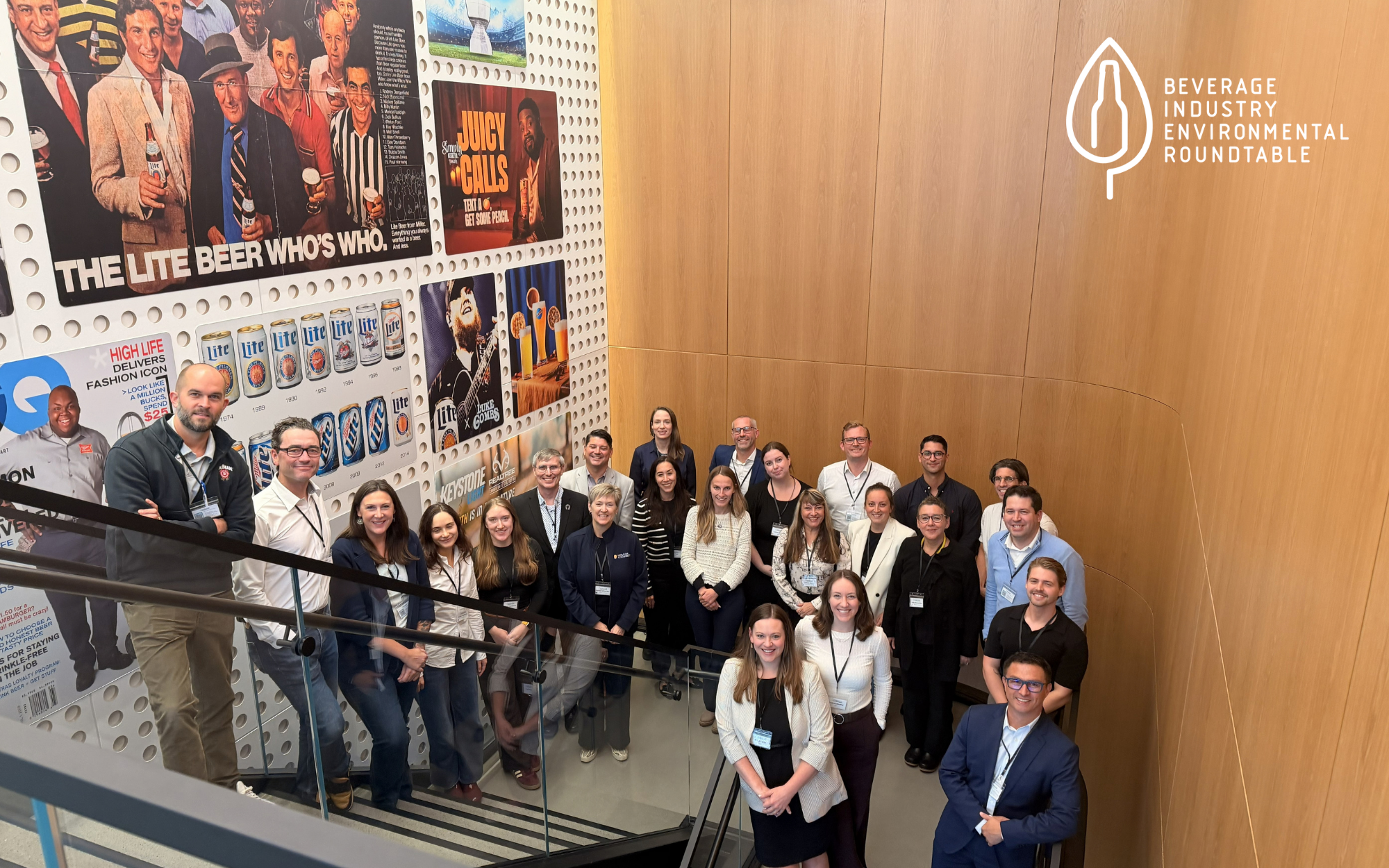
That work was on display in Chicago at the Fall 2026 Roundtable, hosted by BIER members Molson Coors and Diageo. BIER's biannual Roundtables give members dedicated time to exchange expertise, learn from one another's experiences, examine emerging issues, and advance shared environmental priorities.
This year's discussions also offered a timely perspective on BIER's own evolution. What began around one of the beverage industry's most fundamental resources has grown into a broader technical platform designed to help members respond to a sustainability landscape that looks very different today than it did when BIER was founded.
Addressing Today's Environmental Priorities
Over three days, members explored a range of environmental sustainability topics reflecting both current industry priorities and the increasing interconnectedness of today's challenges.
Discussions examined climate, nature, and biodiversity, including approaches to identifying and understanding environmental risks and how those considerations are being integrated into broader sustainability strategies. Members also explored innovations supporting decarbonization, recognizing that reducing greenhouse gas emissions requires both technical expertise and practical implementation across operations and value chains.
Another important focus was supplier engagement. As organizations continue advancing environmental sustainability throughout increasingly complex global supply chains, supplier relationships play an increasingly important role in supporting meaningful progress. Members exchanged perspectives on approaches to engagement, recognizing that collaboration throughout the value chain is becoming an essential component of long-term environmental performance.
The Roundtable also examined the evolving packaging regulatory landscape, providing members an opportunity to better understand emerging developments affecting the beverage industry, while discussions on WASH (Water, Sanitation & Hygiene) and resilient supply chains reinforced the continued importance of responsible water management-an area that has remained central to BIER's work since its founding.
While each session addressed a different aspect of environmental sustainability, together they illustrated something larger: BIER is pushing boundaries and actively looking around the corner at what sustainability will be, and what it needs to become- in the years ahead. The agenda reflected members taking on issues that do not yet have prominent or fully defined solutions, reinforcing the value of collaboration when the path forward is still being shaped.
From Discussion to Practical Action
One defining characteristic of BIER is that conversations do not end when the Roundtable concludes. Throughout the year, members continue collaborating through technical workstreams, benchmarking initiatives, and resource development that translate shared discussions into practical guidance for the beverage industry.
Recent examples include BIER's Water, Energy, and Emissions Benchmarking Study, which provides participating members with normalized environmental performance data to support operational insight and continuous improvement, and the SBTi No-Deforestation Disclosure Best Practices Workstream, where members collaborated to develop practical guidance supporting more consistent and transparent public disclosures in response to evolving Science Based Targets initiative (SBTi) Forest, Land and Agriculture (FLAG) disclosure requirements.
These initiatives reflect just some of the workstreams BIER is focused on this year. Collectively, they show the range of member-driven work underway, from timely and evolving issues such as SBTi disclosure expectations to well-established resources, such as the benchmarking study developed over nearly 20 years that the beverage industry continues to reference.
Building on Twenty Years of Collaboration
Founded in 2006 around a shared commitment to water stewardship, BIER has continued to evolve alongside the environmental sustainability landscape.
Over the past two decades, members have developed benchmarking studies, technical guidance, water stewardship frameworks, water circularity resources, decarbonization guidance, and collaborative initiatives that help companies strengthen environmental performance while contributing to broader industry progress.
The Fall 2026 Roundtable reflected that continued evolution. From water stewardship to climate action, supplier engagement, packaging, and biodiversity, the discussions demonstrated how BIER continues to provide members with opportunities to exchange knowledge, learn from one another, and collaborate on the issues shaping the future of the beverage industry.
Looking Ahead
Environmental sustainability challenges will continue to evolve, and so will the need for practical, science-based collaboration.
As BIER looks toward its next chapter, it remains committed to providing members with a forum for technical dialogue, knowledge sharing, and collective problem-solving that supports meaningful environmental progress across the global beverage industry.
The conversations held during the Fall 2026 Roundtable will continue well beyond Chicago, informing future workstreams, technical resources, benchmarking initiatives, and collaborative efforts that help members navigate an increasingly dynamic sustainability landscape.
About BIER
BIER is a technical coalition of leading global beverage companies working together to advance environmental sustainability within the beverage sector. Formed in 2006, BIER is a common voice across the beverage sector, speaking to influence global standards on environmental sustainability aspects most relevant to the sector, affect change both up and down the supply chain, and share best practices that raise the bar for environmental performance of the industry. By doing so, BIER is able to monitor data and trends, engage with key stakeholders, develop best practices, and guide a course of action for the future. BIER members include Anheuser-Busch InBev, Asahi Group Holdings, Bacardi, Brown-Forman, Carlsberg Group, The Coca-Cola Company, Constellation Brands, Diageo, Heaven Hill Brands, Heineken, Keurig Dr Pepper, Kirin Holdings Company, Limited, Molson Coors, Monster Energy, Ocean Spray Cranberries, PepsiCo, Pernod Ricard, and Suntory Global Spirits. For more information, visit www.bieroundtable.com.
Find more stories and multimedia from Beverage Industry Environmental Roundtable at 3blmedia.com.
Contact Info:
Spokesperson: Beverage Industry Environmental Roundtable
Website: https://www.3blmedia.com/profiles/beverage-industry-environmental-roundtable
Email: info@3blmedia.com
SOURCE: Beverage Industry Environmental Roundtable
View the original press release on ACCESS Newswire:
https://www.accessnewswire.com/newsroom/en/business-and-professional-services/turning-shared-challenges-into-shared-solutions-inside-biers-fal-1227782
