
Board-certified plastic surgeon Dr. Lisa Brostrom addresses the aspect of the weight loss journey that receives the least attention: loose skin, deflated volume, and the distance between the number on the scale and the reflection in the mirror.
SAN ANTONIO, TX / ACCESS Newswire / October 7, 2026 / Dr. Lisa Brostrom, MD, FACS, owner of New Image Plastic Surgery, is speaking candidly about what many patients encounter after major weight loss. Losing a significant amount of weight is a substantial achievement, but for a large number of patients it does not produce the body they pictured.
"Massive weight loss is an incredible achievement, but it doesn't always look the way people expect," Dr. Brostrom said. "A lot of patients are left with loose skin. The number on the scale has changed, but the reflection in the mirror can still feel like the journey isn't quite finished."
That gap is what plastic surgery after major weight loss is designed to close. The category covers a group of body contouring procedures that remove excess skin, restore lost volume, and refine the contours underneath. Beyond appearance, these procedures may also address functional problems associated with hanging skin, including rashes, chafing, and discomfort during exercise.

Understanding the Lower Body Lift
Among the procedures Dr. Brostrom performs most often for post-weight-loss patients is the lower body lift, sometimes called a belt lipectomy or a tummy tuck 360. She describes it as the appropriate choice for patients who carry excess skin all the way around the torso rather than just the central abdominal wall.
"This is the ideal procedure to address circumferential skin excess in patients who have lost a significant amount of weight or have had multiple pregnancies," Dr. Brostrom explained. "It addresses the extra skin and hanging abdominal apron in the front. It also tightens up the muscle with an internal corset to re-discover those six-pack abs. It also addresses the waistline and removes a significant amount of skin from the flanks as well as the lower back and upper buttocks."
The incision is typically placed horizontally across the hipbones and along the bikini line, which allows most scarring to sit beneath underwear or a small swimsuit. Drains are placed during recovery to collect excess fluid, and patients wear compression garments to limit swelling and support the new contours. Strenuous activity and lifting are restricted for four to six weeks.
A Plan Built Around the Individual
A lower body lift is often one component of a broader plan. Weight loss affects the arms, thighs, breasts, and face as well as the torso, and Dr. Brostrom evaluates each area before recommending a combination of procedures.
An arm lift, or brachioplasty, addresses loose skin along the upper arms. A thigh lift removes excess skin along the inner thighs, which can improve comfort and mobility in addition to contour. A flankplasty targets the sides of the torso. Liposuction can refine areas of stubborn fat that remain resistant to diet, exercise, or medically supervised approaches. For patients whose breasts have lost volume or position, a breast lift can restore shape, with or without augmentation.
The face is frequently overlooked. Substantial weight loss can leave the midface and neck looking drawn or tired, and a facelift with fat grafting may be appropriate for patients whose concerns extend above the shoulders.
Combining procedures in one surgery is common, though the scope depends on the patient's health, goals, and tolerance for recovery. A single procedure may take about three hours. Adding a second or third, such as a breast lift alongside a lower body lift, extends that considerably.

Timing and Candidacy
Dr. Brostrom emphasizes the importance of weight stability. Candidates are generally advised to hold a stable weight for at least three months, and often six months, before surgery. Subsequent fluctuations can affect results, since the skin and tissue removed will not return but new weight gain can alter the contours that remain. Candidates should also be in good general health, avoid nicotine, and have realistic expectations about what surgery can accomplish.
During a consultation, Dr. Brostrom reviews the patient's medical history and weight loss history, examines skin laxity, and identifies which areas would benefit most before outlining a plan.
Reframing the Decision
Alongside the clinical guidance, Dr. Brostrom uses her platform to reject the idea that body contouring after weight loss is somehow a shortcut.
"This isn't cheating," she said. "It's finishing what you started."
She also notes that hesitation is often less about the surgery itself than about anticipated judgment.
"Most people don't regret plastic surgery. They regret waiting years because of other people's opinions," Dr. Brostrom said. "Doing something for your confidence shouldn't require a committee meeting. It's your body, your decision, and your timeline."
Dr. Brostrom shares procedure explanations and before-and-after results on Instagram, where she addresses both the surgical detail and the emotional side of the process.
Patients interested in learning more can contact the practice to schedule a consultation.
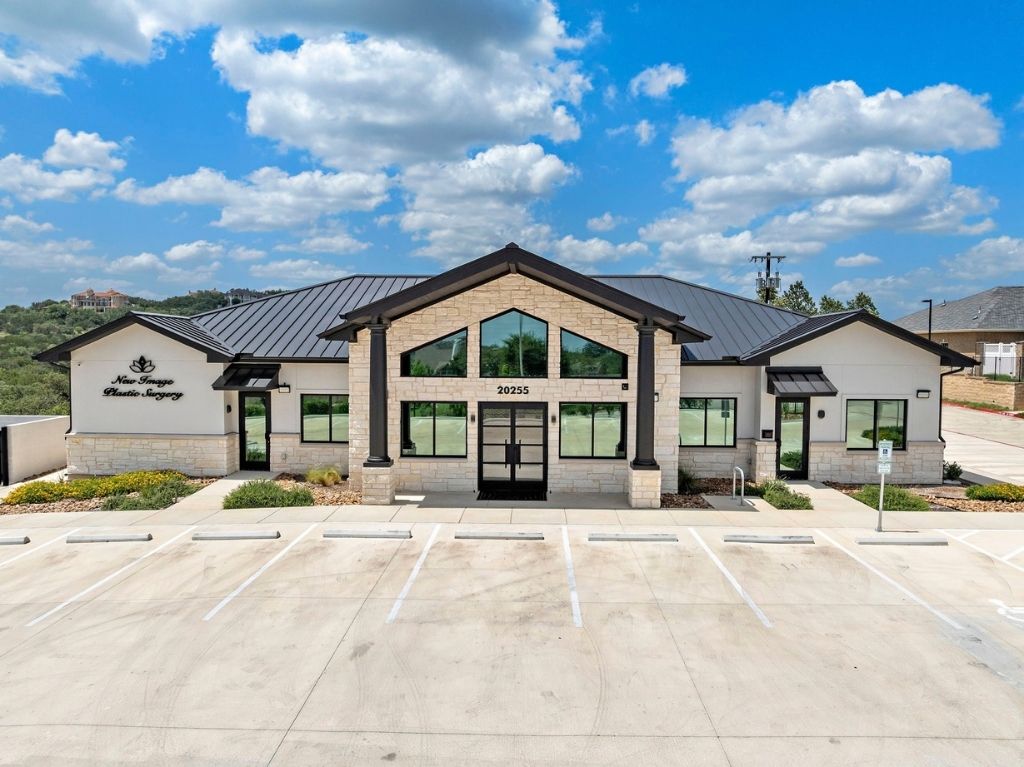
About New Image Plastic Surgery
New Image Plastic Surgery is located in the Stone Oak area of San Antonio and offers surgical and non-surgical aesthetic care for the face, breast, and body. The practice is led by Dr. Lisa Brostrom, MD, FACS, a board-certified plastic surgeon with more than two decades of experience in aesthetic and reconstructive surgery and a distinguished career in the United States Air Force, including service as Chief of Plastic Surgery at Brooke Army Medical Center. She is a Fellow of the American College of Surgeons and a Member of the Aesthetic Society.
Media Contact
New Image Plastic Surgery
20255 Stone Oak Parkway
San Antonio, TX 78258
(210) 640-6310
SOURCE: New Image Plastic Surgery
View the original press release on ACCESS Newswire:
https://www.accessnewswire.com/newsroom/en/healthcare-and-pharmaceutical/san-antonios-dr.-lisa-brostrom-discusses-plastic-surgery-after-signif-1229274
