WASHINGTON (dpa-AFX) - AbbVie has reported positive Phase 2a results for its investigational therapy ABBV-466, with the treatment achieving higher rates of endoscopic remission than either of its component therapies alone in patients with moderate to severe Crohn's disease. The findings will be presented today, at the 2026 Annual United European Gastroenterology Week (UEGW) Congress.
The data come from the ongoing Phase 2a TARGET-CD study, which is evaluating ABBV-466, a dual-targeting therapy designed to block two inflammatory pathways involved in Crohn's disease. The study enrolled 300 patients, including many who have previously failed one or more advanced therapies.
At the study's primary endpoint at Week 12, 30.2% of patients treated with ABBV-466 achieved endoscopic remission, compared with 21.3% of patients receiving trosunilimab. By Week 24, remission rates increased to 40.5% in the ABBV-466 group, compared with 22.4% and 20.0% in the risankizumab and trosunilimab groups, respectively.
Crohn's disease is a chronic inflammatory bowel disorder that can cause abdominal pain, diarrhea, fatigue and damage to the digestive tract. Endoscopic remission, which is assessed through colonoscopy, is considered an important treatment goal because it indicates reduced inflammation inside the bowel.
According to the company, ABBV-466 combines Risankizumab, an IL-23 inhibitor marketed as Skyrizi with trosunilimab, an investigational alpha4-beta7 inhibitor. The approach is intended to address multiple drivers of inflammation that may remain active despite treatment with a single therapy.
In addition to the clinical findings, gene expression analyses showed signs of intestinal tissue repair and restoration of the gut barrier by Week 12 in patients receiving ABBV-466. The company also reported evidence of tissue remodeling and metabolic changes at Week 24 that were generally not observed with either monotherapy.
The TARGET-CD trial included patients across a broad spectrum of disease severity and previous treatment experience. Approximately three-quarters or more participants had failed advanced therapy, while one-quarter had failed three or more advanced treatments.
Regarding safety, serious adverse events were reported in 10.4% of participants treated with ABBV-466, compared with 9.6% for risankizumab and 9.0% for trosunilimab. The most commonly reported adverse events reported adverse events included Crohn's disease-related events and joint pain were more commonly reported in the risankizumab group.
ABBV-466 remains an investigational therapy and has not been approved by regulatory authorities. The ongoing TARGET-CD study is designed to further evaluate its potential role in treating moderate to severe Crohn's disease.
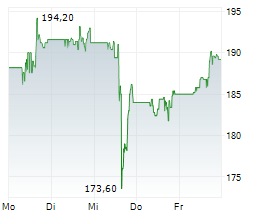
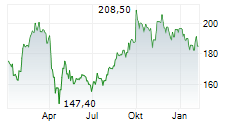
ABBV has traded between $109.75 and $291.40 over the past year. The stock closed Friday's trading (October 16, 2026) at $285.42, up 0.71%. In pre-market trading the stock is at $284.99, down 0.17%.
Copyright(c) 2026 RTTNews.com. All Rights Reserved
Copyright RTT News/dpa-AFX
© 2026 AFX News