
A new analysis from World Wildlife Fund finds that 1.8 million acres of grasslands were plowed up for row crop agriculture in a single year.
BOZEMAN, MT / ACCESS Newswire / October 20, 2026 / A new World Wildlife Fund (WWF) analysis finds that an estimated 1.8 million acres of North America's grasslands and other open lands were converted to row crop agriculture in 2023-the most recent year with available data. That's nearly 5,000 acres of North America's remaining wildlife habitat plowed over each day. Corn and soybeans drive most new conversion in the United States, and wheat dominates in the Canadian Prairies.
"Grasslands don't always get the attention that forests or oceans do, but they're every bit as extraordinary. They support wildlife, store enormous amounts of carbon, sustain working ranches, and are deeply connected to Native Nation cultures and livelihoods," said Alexis Bonogofsky, vice president of WWF's Great Plains program. "These are landscapes worth paying attention to and fighting for, and the Plowprint helps us recognize what we're losing."
Grasslands are vital habitats for migratory birds, wild ungulates like bison and pronghorn, black-footed ferrets, swift foxes, and countless other species. They also underpin global food systems, fostering native pollinators and offering grazing land for domestic livestock like cattle and sheep. In addition, grasslands help sustain clean water while storing large amounts of carbon.
Beyond their ecological and economic value, grasslands are rich cultural landscapes, including for many Native Nations and rural communities, and important spaces for recreation, including hiking, birdwatching, and hunting.
The report identifies five policy priorities for North American grasslands:
- Keep grasslands intact and reduce conversion risk
- Restore marginal cropland to grass and support sustainable grazing
- Strengthen conservation delivery and coordination for cattle and bison grazers
- Advance landscape-scale grassland conservation
- Strengthen Tribal leadership in grassland stewardship and food sovereignty
WWF and its partners in America's Grasslands Coalition also recently launched the U.S. Grasslands Campaign, a nationwide effort to raise awareness of these often-overlooked ecosystems. By helping Americans see grasslands not as empty places, but as living landscapes that sustain both people and nature, this nationally led initiative seeks to build lasting support for their protection and restoration.
Download Report: Plowprint 2026
Media Contact: Lorin Hancock | Lorin.Hancock@wwfus.org
About WWF
Founded in 1961, WWF works to help people and nature thrive. As a global conservation organization, WWF operates in more than 100 countries, partnering with communities, companies, and governments to protect wildlife, conserve vital habitats, and advance sustainable solutions. Grounded in science and driven by collaboration, WWF works to help nature by conserving biodiversity, supporting resilient communities, and addressing climate change. Nearly 1 million people in the United States and more than 5 million globally are WWF members.
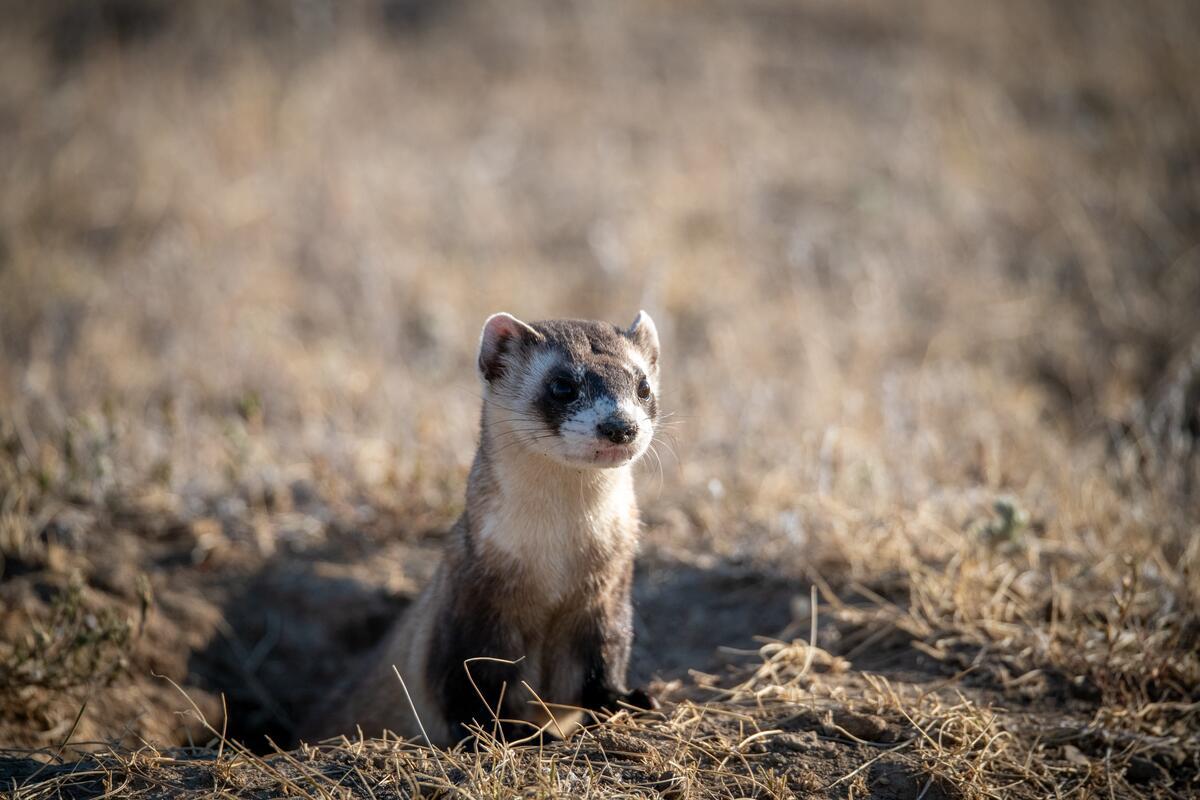
Black-footed ferret. © WWF-US/Clay Bolt
Find more stories and multimedia from World Wildlife Fund at 3blmedia.com.
Contact Info:
Spokesperson: World Wildlife Fund
Website: https://www.3blmedia.com/profiles/world-wildlife-fund
Email: info@3blmedia.com
SOURCE: World Wildlife Fund
View the original press release on ACCESS Newswire:
https://www.accessnewswire.com/newsroom/en/business-and-professional-services/nearly-5-000-acres-of-north-american-grasslands-destroyed-each-d-1238938
