

NORTHAMPTON, MA / ACCESS Newswire / November 2, 2026 / Originally published on PSEG ENERGIZE!
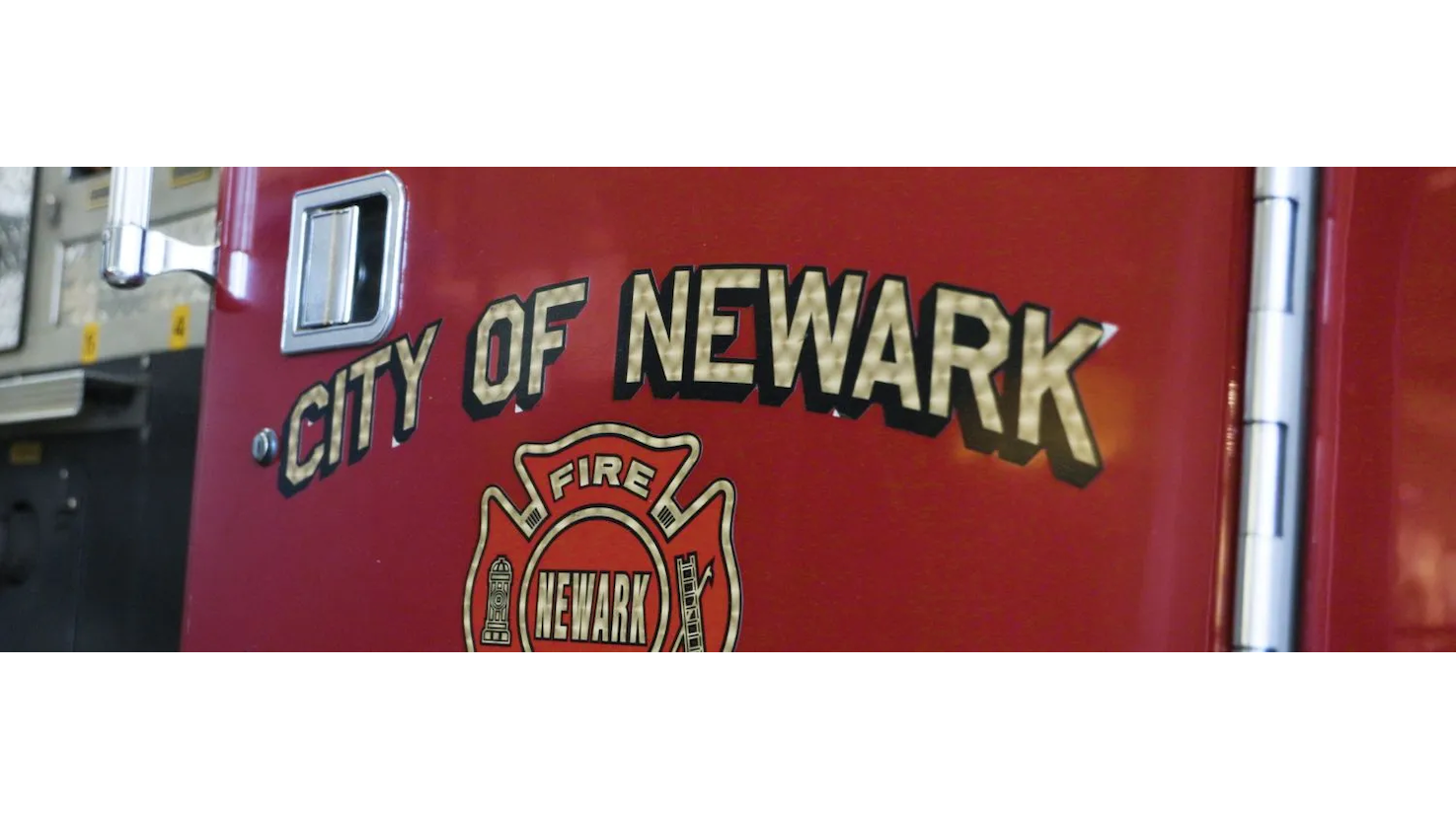
Every day, Newark's 650 firefighters walk toward the danger everyone else runs from. Across 16 engine companies, eight ladder companies, two rescue companies and a special operations unit, they respond to more than 16,720 calls a year - from fires and medical emergencies to every kind of hazard in between.
But many of the firehouses they return to are more than 100 years old, and some are among the largest in the state. For years, the Newark Fire Division was stuck in a constant maintenance cycle, patching failing boilers and outdated wiring instead of addressing the root of the problem.
Firefighters lived and worked in stations with unreliable heat and, in some cases, spaces that had been dimly lit or dark for years.
"Knowing how much our firefighters put on the line, the city was committed to taking care of them by addressing these issues," says Juba Dowdell, Deputy Coordinator for Newark's Office of Emergency Management, Homeland Security and Preparedness.
That commitment drove Newark to invest in energy efficiency upgrades across 14 of its firehouses.
How did Newark upgrade 14 aging firehouses?
Working together with trade allies through our Direct Install Program, the city replaced failing boilers and outdated lighting with modern, reliable systems during an 18-month rollout.
The goal went beyond reducing energy use. The upgrades addressed persistent maintenance issues in aging buildings while improving the spaces firefighters rely on every day. The work is also an example of our commitment to working alongside the communities we serve.
What impact will the upgrades have?
The upgrades represented an investment of about $4.5 million, with PSE&G incentives helping offset nearly 17% of the total project cost under the program's standard terms. The city is using our on-bill repayment option to pay the remaining balance on its utility bill over five years, interest-free.
The improvements are expected to save the city nearly $50,000 in utility bill costs each year while reducing annual energy use by more than 225,000 kWh of electricity and about 24,000 therms of natural gas. What do these upgrades mean for Newark's firefighters?
The improvements are expected to save the city nearly $50,000 in utility bill costs each year while reducing annual energy use by more than 225,000 kWh of electricity and about 24,000 therms of natural gas.
What do these upgrades mean for Newark's firefighters?
For the Division, the project was as much about improving efficiency as it was about showing the firefighters who risk their lives that the city has their backs, too.
"The savings allow us to invest in other equipment we need in the fire department, whether that's gear, safety equipment or apparatus," says Del Ortiz, Fire Chief of the Newark Fire Division. "It's important that we invest in the places where our first responders live and work. The buildings and apparatus are important, but our first responders and the community we respond to are our most important assets."
Because many of the stations sit in residential neighborhoods, the impact of the improvements extends beyond the firehouse itself. Better exterior lighting helps firefighters returning from late-night calls while also making the area around the stations safer and more visible for residents.
"Having the firehouses better lit is great for the safety of the firefighters returning from calls and for residents passing by," says Joseph Conte, Community Relations Captain with the Newark Fire Division. "It also provides a well-lit place for people to recognize as an area to go when they need help."
For Juba, the work has made a statement to the men and women who put their lives on the line every day: "You have our backs, and we have yours."
What can other municipalities learn from Newark?
Successfully upgrading 14 aging firehouses required the right partners to get the work done. Juba credits PSE&G and its contractors with the project's success. Tri-State Energy (TSE) served as the project's implementation contractor, with union labor completing the mechanical upgrades.
His advice to other departments and municipalities is straightforward: don't wait to invest in the people who protect you.
"The Direct Install Program is a wonderful opportunity for any fire department, recreation department, police department ... anybody with old infrastructure that needs to be upgraded, this is the program for you."
Could energy efficiency upgrades help your facilities?
Whether you manage municipal buildings, schools or other facilities, we have energy-efficient solutions that can help. Visit mybizenergy.pseg.com to explore available programs, incentives and repayment options.
Find more stories and multimedia from PSEG at 3blmedia.com.
Contact Info:
Spokesperson: PSEG
Website: https://www.3blmedia.com/profiles/public-service-enterprise-group-pseg
Email: info@3blmedia.com
SOURCE: PSEG
View the original press release on ACCESS Newswire:
https://www.accessnewswire.com/newsroom/en/utilities/old-firehouses-new-energy-how-pseandgs-direct-install-program-is-transforming-newarks-fir-1245085
