

WOONSOCKET, RI / ACCESS Newswire / November 5, 2026 / Originally published on CVS Health Company Newsroom
High blood pressure, also known as hypertension, affects more than 70% of adults over age 60, and many people may not know they have it. Left unmanaged, high blood pressure can increase the risk of serious health conditions, including heart disease, kidney disease, stroke and dementia.
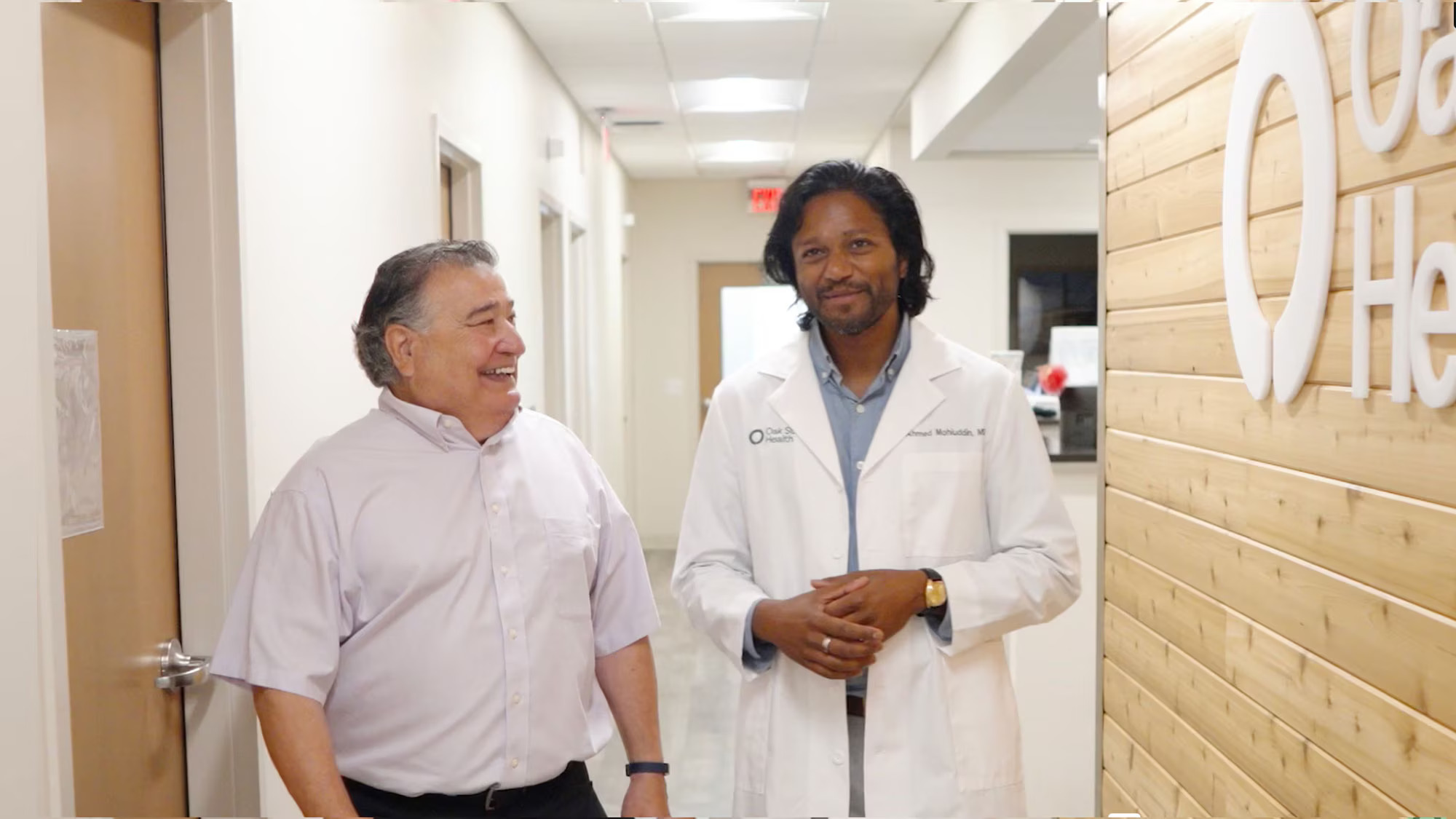
We spoke with Ahmed Mohiuddin, MD, Regional Medical Director at Oak Street Health, about why high blood pressure can be difficult to detect, common misconceptions among older adults and steps people can take to help protect their long-term health.
Q: Why is high blood pressure often referred to as a "silent" condition, and why don't more people know they have it?
Dr. Ahmed Mohiuddin: High blood pressure is often called the "silent killer" because many people don't know they have it and may not experience symptoms. It can cause damage over time without someone realizing it. That's why regular blood pressure checks, both at routine appointments and at home, are so important. The earlier you catch it, the easier it is to manage.
Q: What are some of the biggest misconceptions older adults have about high blood pressure?
Dr. Mohiuddin: One of the most common things I hear from patients is that they feel fine because they don't have symptoms. Others may have had high blood pressure for some time without experiencing a serious health problem and assume there's nothing to worry about.
Some people with a family history of high blood pressure may also think there's nothing they can do about it, while others may be concerned about potential side effects from medication.
The reality is that no matter your starting point, there are steps you can take to better manage your blood pressure and protect your long-term health.
Q: What are the biggest health risks tied to unmanaged high blood pressure?
Dr. Mohiuddin: High blood pressure affects blood vessels throughout the body, as well as the body's organs. Over time, untreated high blood pressure can increase the risk of heart disease, kidney disease, stroke and dementia. The good news is that many of these risks can be reduced through early management, intervention and lifestyle changes.
Q: What are the most important steps older adults can take to help manage their blood pressure?
Dr. Mohiuddin: Start with small, sustainable lifestyle changes. That can include eating a healthy diet and reducing sodium, including hidden salt in processed foods; staying active with regular cardiovascular activity; getting enough sleep; and managing stress.
When needed, older adults can also talk with their doctor about whether medication should be part of their care plan. And remember, you don't have to tackle high blood pressure alone. Having the right care team can make a big difference.
Q: What's one thing you want older adults to remember about high blood pressure?
Dr. Mohiuddin: Don't wait until you have symptoms or something feels wrong to pay attention to your blood pressure. Regular checks can help identify high blood pressure earlier, giving you and your doctor the opportunity to manage it and protect your long-term health.
Q: Where can people go to learn more?
Dr. Mohiuddin: To learn more, visit OakStreetHealth.com. If you see us in your community, we also encourage you to stop by a center, meet the care team and learn more about how Oak Street Health supports patients.
Find more stories and multimedia from CVS Health at 3blmedia.com.
Contact Info:
Spokesperson: CVS Health
Website: https://www.3blmedia.com/profiles/cvs-health
Email: info@3blmedia.com
SOURCE: CVS Health
View the original press release on ACCESS Newswire:
https://www.accessnewswire.com/newsroom/en/healthcare-and-pharmaceutical/managing-high-blood-pressure-what-older-adults-should-know-a-qanda-wi-1247310
