
Xiamen, China--(Newsfile Corp. - November 18, 2026) - Winners of the 39th China Film Golden Rooster Awards were announced on November 10. The list reflects the creative achievements of domestic films over the past year, capturing the new changes unfolding in the Chinese film industry. It paints a vivid picture of filmmaking in the new era: fresh talents and original works keep emerging; creators are constantly pushing creative boundaries; subject matters continue to diversify, giving greater visibility to ordinary people's lives; and traditional culture, real life, and modern technology blend seamlessly on the silver screen. Looking at this list, it is evident that the "newness" of Chinese cinema is steadily growing across creative teams, artistic expression, and professional evaluation.
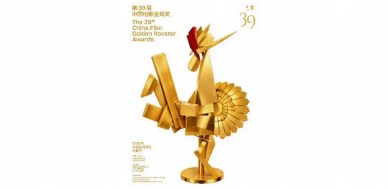
New Forces: Refreshing Creative Teams
An analysis of this year's winners reveals vibrant momentum across China's film-making circle. Veteran filmmakers build on previous achievements to take on new roles and challenges, while newcomers make their mark with creative potential. Filmmakers of different generations leverage their unique strengths to expand the possibilities of cinematic creation.
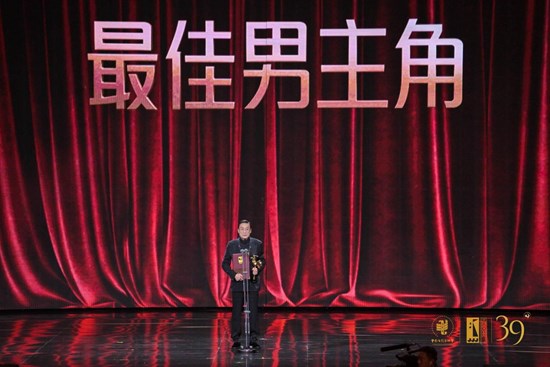
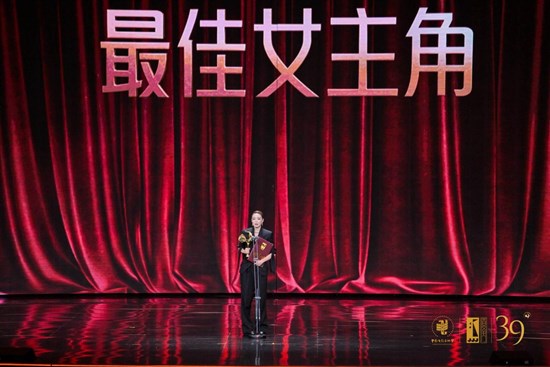
Tony Leung Ka-fai won the best actor for his layered portrayal of Fu Longsheng in "The Shadow's Edge", seamlessly blending the character's multifaceted traits and hidden emotions. Gao Ye, who has been in the industry for two decades, won the best actress for her meticulous and nuanced performance in "Dead to Rights", presenting a distinct acting path that departs from her previous roles. These two accomplished artists demonstrate how established performers can dig deeper into complex roles and achieve personal artistic renewal.
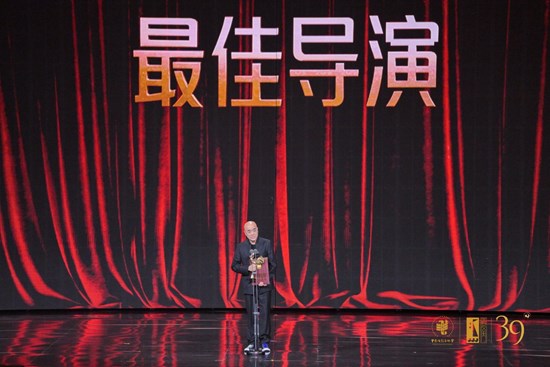
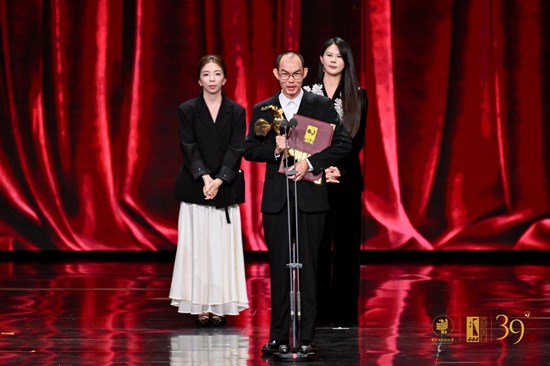
Zheng Dasheng won the best director award for "Hideaway: The Dossiers". He recounted major revolutionary history through micro narratives, leveraging documentary imagery and immersive scenes to bring out the lifelike quality of the actors' performances. This opens up new avenues of expression for the revolutionary spy thriller genre. Screenwriters Lan Hongchun, Zheng Xuanxuan, Yang Leng, and Zhu Liyun jointly won the best screenplay award for "Dear You". Based on qiaopi, or overseas remittance letters and field research, they employed "letter writers" as a narrative device to construct a cross-temporal storyline, rendering the themes of separation and longing in tangible, everyday details.
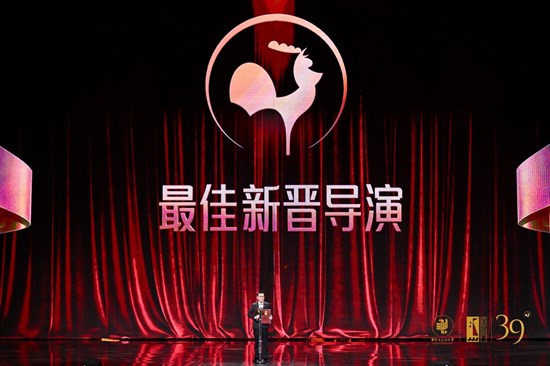
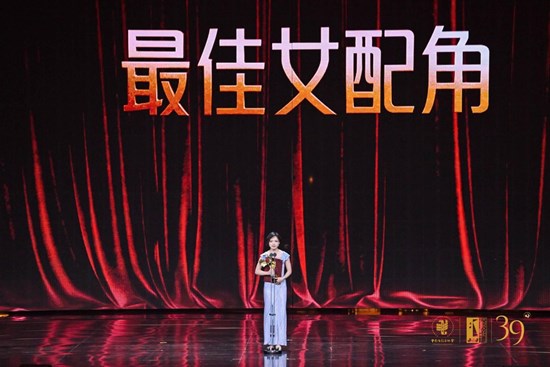
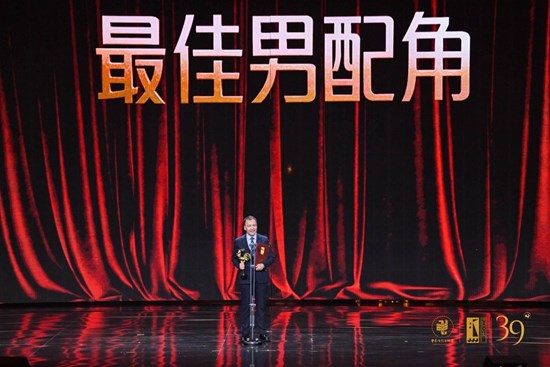
Wan Li received the best new director award for his debut feature "Sound of Silence". His grounded and nuanced cinematography offers sharp social commentary and a fresh voice in realist cinema. In the same film, Lan Xiya shapes a raw, stubborn, and vulnerable deaf girl through restrained yet explosive physical acting, rhythmic sign language, and expressive eyes. Here, a new director and a new actor bring out the best in one another. Wushou'er Sailai gives a heartfelt portrayal of a folk artist's dedication and life's ups and downs in "Wantong Shu", conveying the character's emotional shifts from preserving a heritage to entrusting it to others through understated gestures and subtle facial expressions. Young musician Gao Xiaoyang blends ethnic musical elements into the character-driven narrative in the same film. The score and performance reinforce each other, giving the theme of cultural preservation a more tangible and lifelike texture.
For industry practitioners, "new forces" carries richer meaning. It is less about age or credentials, and more about creative mindset: the courage to break boundaries and refuse to repeat yesterday, and the drive to explore uncharted artistic territory. Chinese cinema requires both the continuous renewal of seasoned expertise and a constant influx of new blood. Those with years of experience continue to push the boundaries of their craft, while newcomers bring fresh perspectives and unique visions. Only through this mutual inspiration can the vitality and creativity of Chinese cinema endure and thrive.
New Perspectives: Deepening Realism
A review of the shortlisted films shows that this year's winners reflect a broader creative vision. Beyond the expansion of genres, what stands out is the way and angle filmmakers observe life. Grand narratives are anchored in specific individuals. Real-life stories turn to groups that once received little attention, while traditional tales gain fresh interpretations through the experiences of ordinary people. Creators are increasingly committed to drawing characters and emotions from the fabric of real life. They respond to real-world concerns with everyday details, authentic circumstances and lived texture, grounding realism firmly in their works.
When tackling major historical subjects, "Dead to Rights" narrows its focus to a small photo shop and a few ordinary people. Through choices made at life-and-death moments, it conveys the warmth and weight of collective national memory. "Hideaway: The Dossiers" delves into the hidden front through daily details, giving historical facts a new narrative tension within everyday setting. "Dear You" depicts separation and longing through Chaoshan dialect, overseas remittance letters, and rural life. "Shanghai Wonton" explores the emotional and spiritual needs of the elderly. "Sound of Silence" ponders the dignity of life and the pursuit of justice. These works portray tangible individuals in the folds of life, addressing real-world concerns with textured storytelling rooted in lived experience.
"Wantong Shu" weaves the performances and vocal passages of the Twelve Muqam into the characters' fates, making the intangible cultural heritage a narrative force for cultural identity and emotional connection. "Nobody" reopens the Journey to the West universe from a grassroots perspective. With ink-wash aesthetics and spare line drawing, it endows nameless monsters with the worries and wishes of ordinary people. Meanwhile, "SHENZHOU 13", China's first 8K space-filmed documentary, takes audiences through the 183-day space mission of the Shenzhou-13 crew. Technology has expanded the spatial boundaries cinema can reach, yet it never alters film's simplest, fundamental core value: to behold the vast world, and the living, breathing people in it.
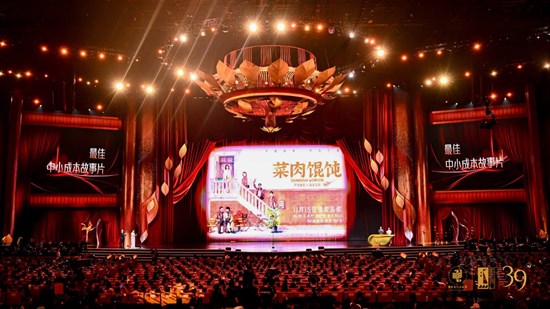
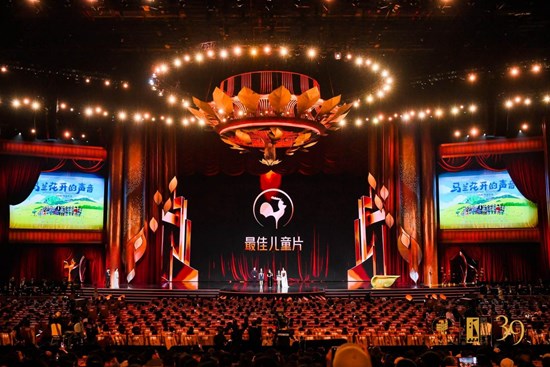
Today, as new mass culture flourishes and audiences' aesthetic sensibilities continue to evolve, new technologies can build ever grander audiovisual spectacles. Yet, what truly resonates in the hearts of the audience are always vibrant life, genuine emotions, and authentic people. This list offers a glimpse into the fact that today's filmmaking requires both the breadth of vision to observe the era and the depth of insight into the human heart. Major thematic films seek entry points grounded in individual lives, while small stories carry the weight of the era's experiences. Moving between the macro and the micro, Chinese cinema is building a more open, inclusive, and diverse creative landscape.
New Values: Evolving Professional Evaluation
Film awards serve as both a summary of a creative cycle and a vital window into the industry, identifying valuable artistic explorations amid evolving cinematic practice. For a film or a creator, securing nomination is essentially to answer the call of the era: What kind of cinema do we need? Which artistic explorations merit affirmation and encouragement? The significance of professional awards lies in discovering talent and encouraging creativity through strict, fair judgement, thereby establishing a credible value benchmark for the industry's high-quality development.
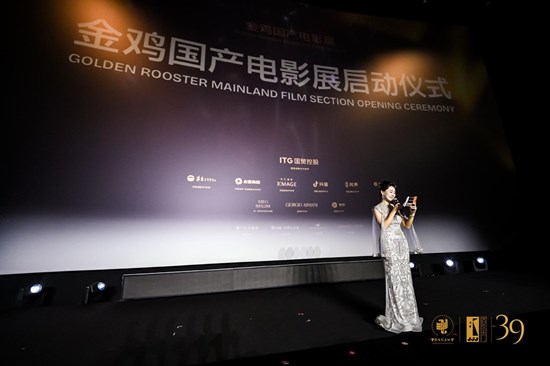
This year's Golden Rooster Awards introduced a guiding philosophy: "sensing the progress of the times, knowing the needs of audiences, and discerning the changes in art." Looking at the list of winners, it is clear that emerging young creators, self-innovating veteran artists, diverse regional cultures, and the life experiences of ordinary people are all brought into the scope of professional evaluation. In resonance with the philosophy, the award categories have been dynamically optimized to keep pace with industry practice. This year, "Best Directorial Debut" was renamed "Best New Director," and "Best Art Film" became "Best Animation." Starting next year, "Best Children's Film" and "Best Opera Film" will alternate annually, and a "Best Visual Effects" award will be added. These series of innovations represent the proactive adaptation of the Golden Rooster Awards to industry shifts. They are a vivid practice of mutual empowerment between the evaluation system and filmmaking. More importantly, they are a powerful measure to revere artistic creation, encourage innovative exploration, and guide creative trends through professional awards.
As the highest honor among professional awards in China, the Golden Rooster Awards have remained true to their original aspiration over four decades since their inception in 1981. The weight of a professional award lies not only in affirming past achievements but also in discovering artistic value that has yet to be fully recognized. By keenly capturing the changes of the times and upholding artistic evaluation standards, the Golden Rooster Awards have become a driving force for innovation and a steady guide for the industry.

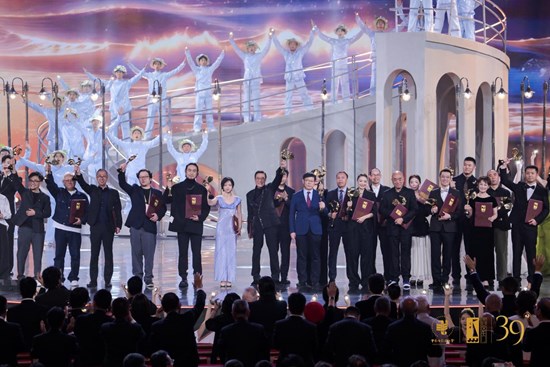
A single list of winners cannot fully capture the vast panorama of Chinese cinema, yet it clearly charts the surging direction of its cinematic forces. The new forces of Chinese cinema will continue to grow through the mutual reinforcement of professional evaluation and creative practice, accumulate strength through relentless artistic pursuits that refuse to rest on past laurels, and rise vigorously by coalescing into a powerful trend within an increasingly maturing industry ecosystem. Beyond this list of winners, there is great anticipation for the "newness" of Chinese cinema to flourish endlessly and continue moving forward.
Media contact
Contact: Shi Yi Sun
Company Name: China Golden Rooster & Hundred Flowers Film Festival
Website: https://www.cgrhfff.com/
Email: jesun11@163.com
To view the source version of this press release, please visit https://www.newsfilecorp.com/release/324464