Strong partnerships transform healthcare in Romania, turning mobile screenings into sustained access. They link rural communities to specialists and follow-up care, making early diagnosis a fairer chance at good health.
NORTHAMPTON, MA / ACCESS Newswire / September 9, 2026 / On a crisp November morning in Entregalde, a small village in Alba County, 63-year-old Oana wrapped her woolen scarf tightly as she walked toward the community center. Her fatigue and dizziness had become part of daily life-symptoms she had learned to ignore. But seeing a specialist at the hospital would normally mean hours of travel she could not manage.
That day, a medical caravan had arrived in her village. Inside, cardiologists, endocrinologists, neurologists, and pediatricians welcomed residents for free screenings. For the first time in years, Oana spoke with a specialist. After routine tests-blood pressure, EKG, and hemoglobin A1c-the diagnosis was clear: she had been living with undiagnosed diabetes.
"I didn't know what was wrong," Oana says. "Now I have a doctor who explained what's happening and what to do next." For Oana, the visit marked more than a diagnosis. It marked reconnection.
Care that continues
"Access to healthcare should not depend on where you live."
Lumini?a Vâlcea, Vocea Pacien?ilor
"This isn't about one-day visits. It's about building bridges, so care goes on after the caravan leaves."
Gabriel ?erban, Project Communications Manager
"Real impact happens when mobile care becomes part of the system-not a workaround."
Catalina Serban, Senior Public Affairs Specialist & Project Manager for the Prevention Drive in Rural Romania
A structural gap in rural healthcare in Romania
Oana's experience reflects a broader reality across rural Romania. Around 30% of the population-nearly eight million people-live in rural areas, where access to healthcare services is limited by workforce shortages, fragmented infrastructure, and low health literacy. Diabetologists are concentrated in Bucharest, while many rural areas lack resident specialists altogether. This imbalance leads to extremely high population-to-specialist ratios, often exceeding 10,000 people per diabetologist.
Type 2 diabetes and related cardio-renal-metabolic conditions often remain undiagnosed until complications emerge-placing avoidable strain on patients, families, and the healthcare system. In this context, early screening is not simply preventive care. It is a matter of health equity.
For more than a decade, the NGO Caravana cu Medici has worked to close this gap by bringing volunteer doctors to underserved communities. Traditionally, these mobile clinics offered vital but temporary relief: a consultation, a diagnosis- but also uncertainty about what came next. This initiative was designed to change that.
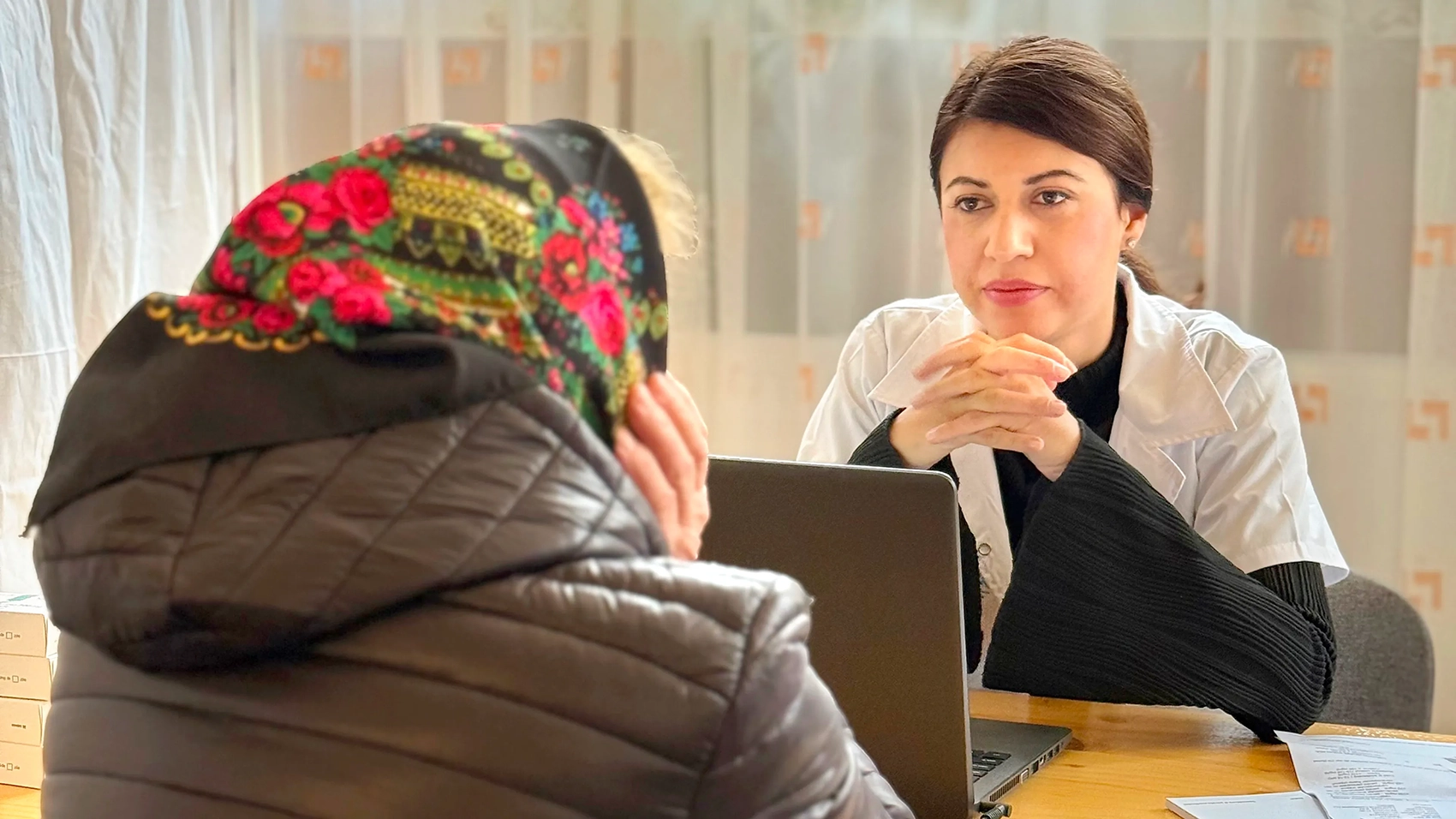
A medical professional speaks with a patient, the first step toward understanding her health needs and finding the right care.
What makes this caravan different
Supported by Boehringer Ingelheim, the program moves beyond one-day screenings by embedding continuity of care into its design.
Patients screened during caravan visits are registered on a dedicated medical platform operated by Caravana cu Medici. This enables structured follow-up, specialist referral, and longer-term monitoring. The objective is not only to identify health conditions early, but to reconnect patients to the formal healthcare system.
Read the whole piece on Imagine - Boehringer Ingelheim's sustainability story hub.
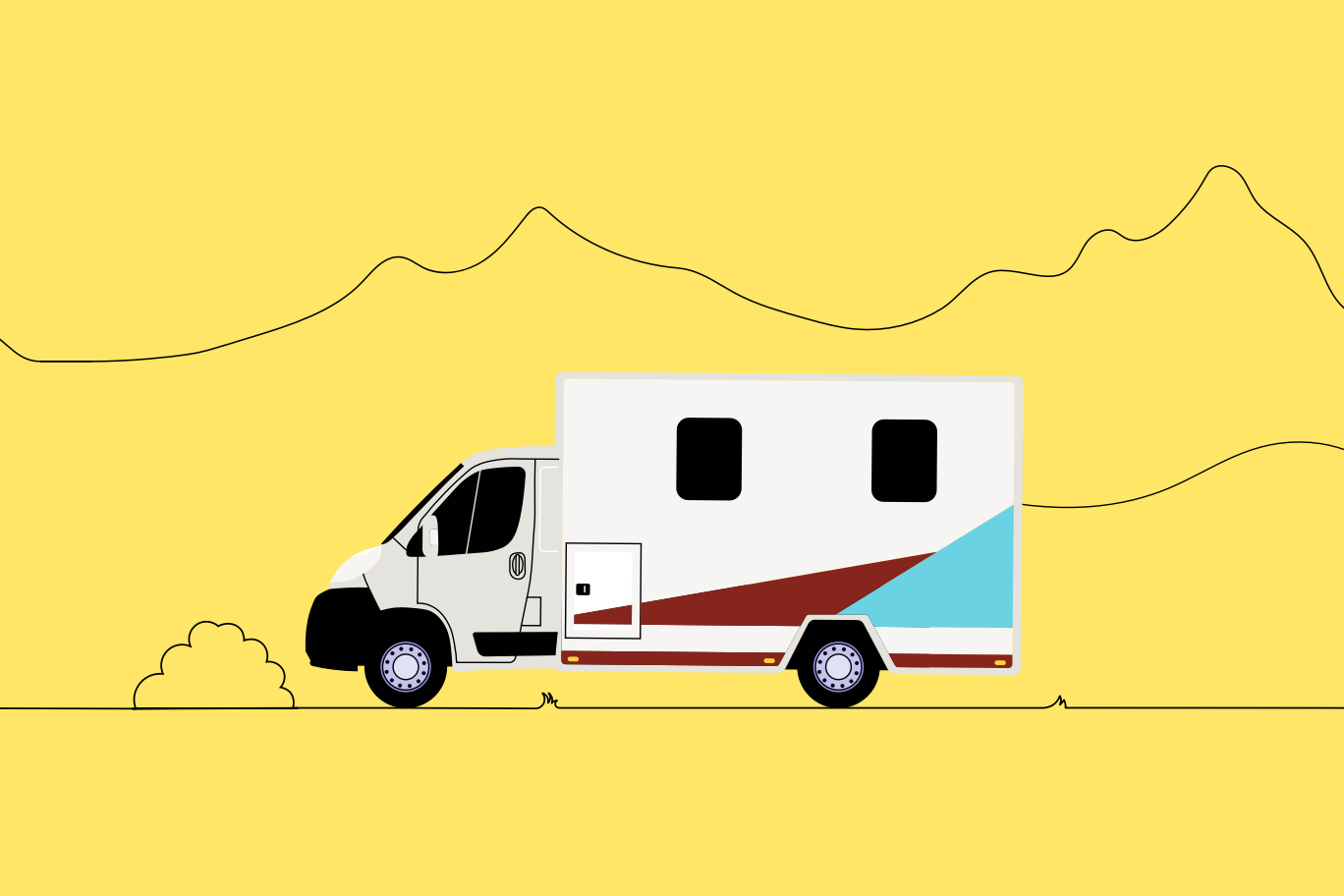
One in three Romanians live in rural areas with limited health services. Caravana cu Medici brings care closer.
Find more stories and multimedia from Boehringer Ingelheim at 3blmedia.com.
Contact Info:
Spokesperson: Boehringer Ingelheim
Website: https://www.3blmedia.com/profiles/boehringer-ingelheim
Email: info@3blmedia.com
SOURCE: Boehringer Ingelheim
View the original press release on ACCESS Newswire:
https://www.accessnewswire.com/newsroom/en/healthcare-and-pharmaceutical/bridging-the-gap-how-a-healthcare-caravan-is-strengthening-rural-care-1218594