

A new digital twin and virtual reality (VR) training platform gives operators a safer, faster way to learn best practices while significantly reducing waste and supporting farmer livelihoods and PepsiCo Positive (pep+).
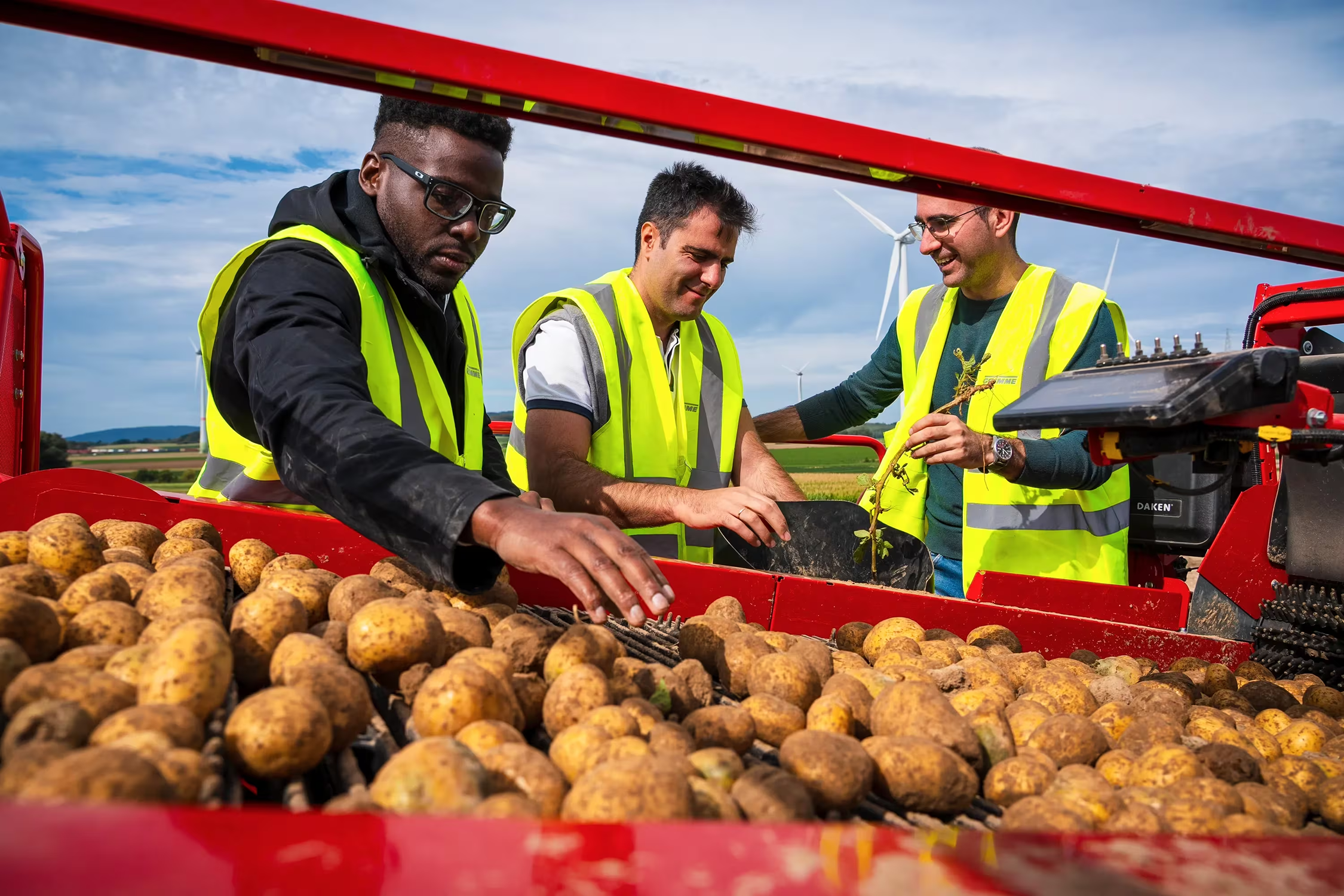
NORTHAMPTON, MA / ACCESS Newswire / October 27, 2026 / Every harvest, millions of potatoes begin their journey underground only to lose their value before they even get peeled to become a potato chip. The source of this loss is unexpectedly small: a bruise which affects crop quality, storage life and ultimately farmer income if potatoes have to be discarded as waste. Mostly this bruising occurs during harvesting using complex machines where factors such as speed, soil type, slopes and operator experience can impact the quality of the final crop. Bruising is one of the most persistent and expensive forms of waste in the potato supply chain.
Training as a missing link
The people who operate these harvesters are often seasonal, remote or maybe new to the equipment and so training every year is essential but a challenge to deliver across the thousands of farms and multiple languages of those using harvesting equipment.
"Training operators at scale has long been an issue for the industry but can result in a costly impact if harvesting equipment is not used effectively," said Frank Nordmann, general manager key accounts and sustainable development at agricultural machinery manufacturer, Grimme.
Building a harvester inside a farmer headset
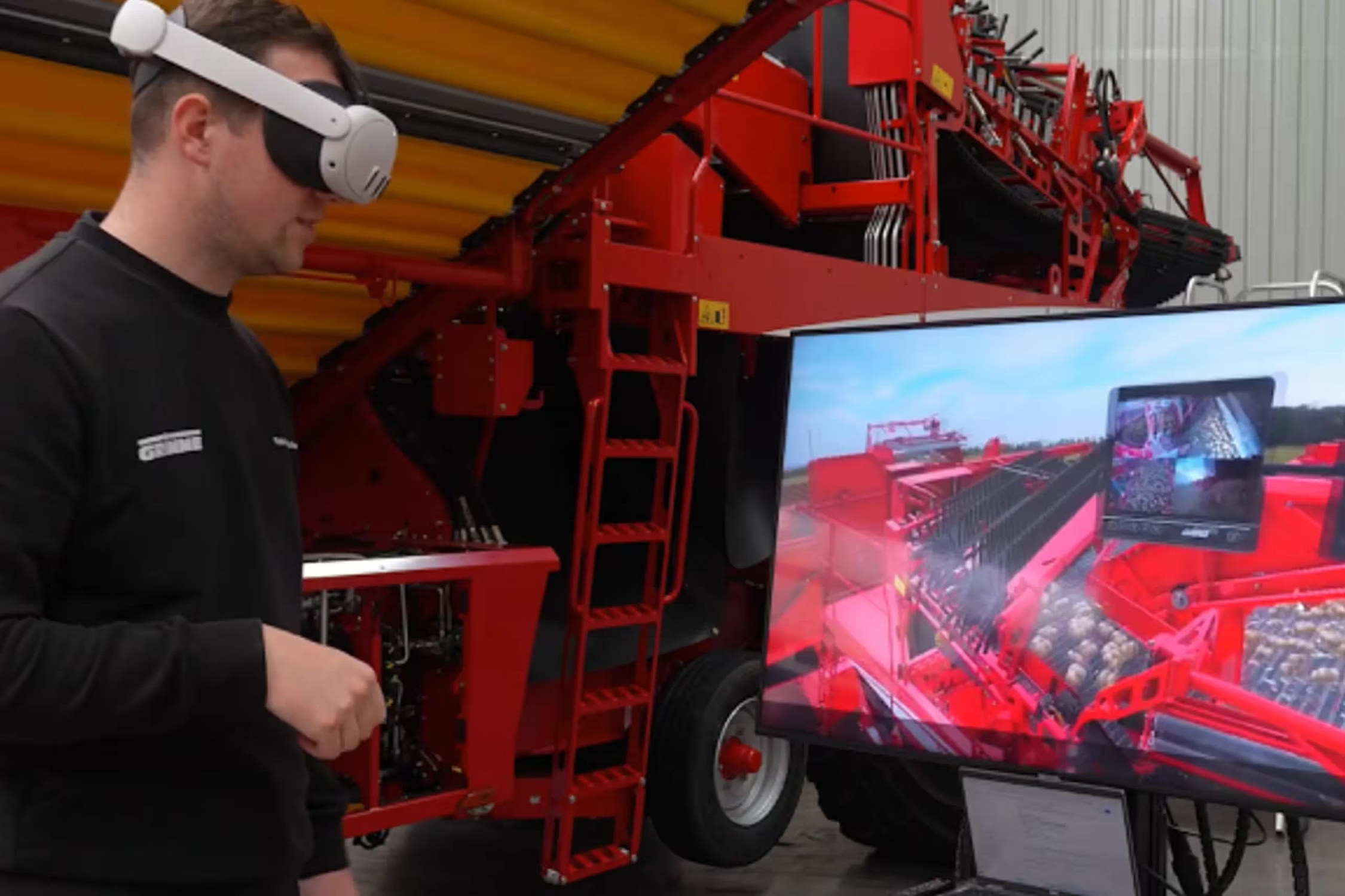
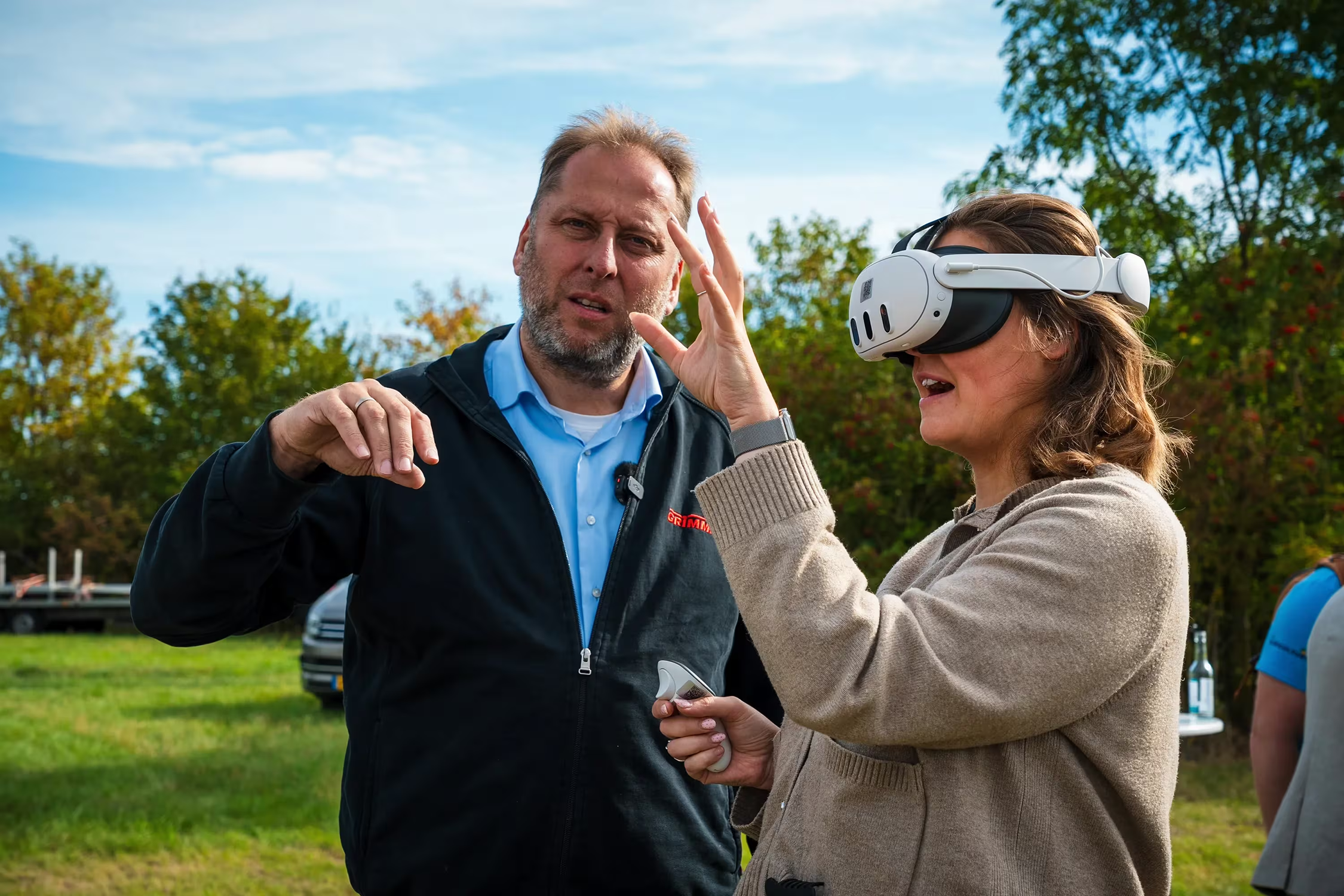
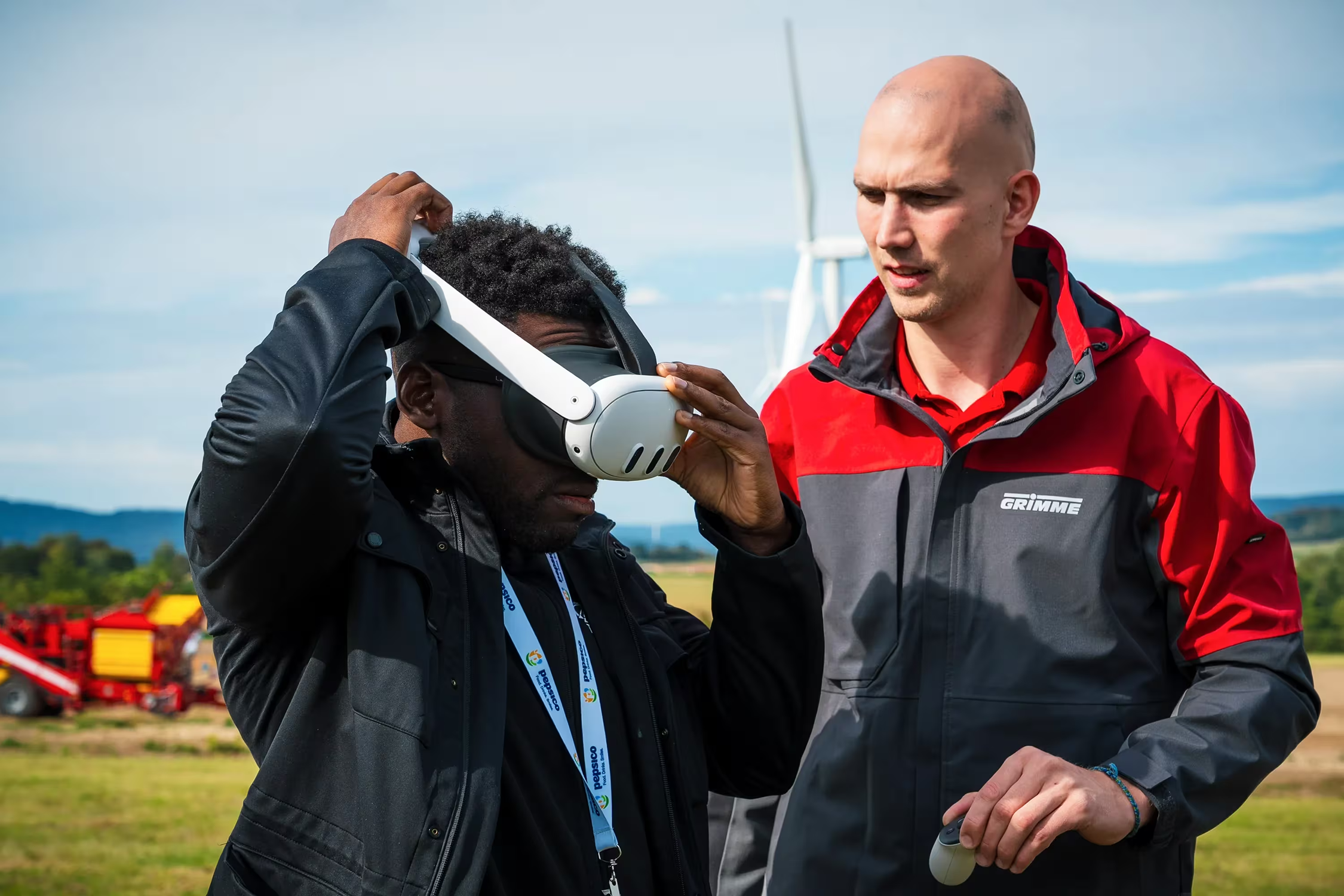
Together, PepsiCo and Grimme created a hyper realistic digital twin of a potato harvester that replicates the internal mechanics and settings, enabling operators to learn how to optimize equipment performance through realistic, interactive training. The technology is accessible via virtual reality headset, smartphone, or tablet and can be sent to any farm around the globe. It allows users to virtually walk around the machine, remove panels, experiment with settings that would be impossible - or unsafe - in a real field as well as learning best practice operation in multiple languages.
"This digital approach dramatically expands our ability to support growers globally and improve the amount of quality crop that a farmer can sell," explained Frank Nordmann.
Bringing a virtual idea to the fields
The collaboration began with pilots in Brazil and Mexico, which assessed bruising levels and operator performance before and after training. The pilots showed that digital twin training delivered an average 87% increase in bruise-free potatoes and a 1.7x reduction in severe bruising helping improve harvest quality and protect yield through enhanced operator performance and machine optimization. The headsets and training have now rolled out to Romania and Poland and the technology was also showcased at PepsiCo's recent Global Agro University in Germany, where farmers from more than 35 markets were in attendance.
As the technology rolls out, growers supplying PepsiCo will be the first to have access to this training, however, the technology has been made available on a non-exclusive basis so others can also benefit from its development. The impact could also reach far beyond potatoes, helping to establish a change in how operators interact with farming machinery which may help redefine how the agricultural workforce is trained in the decades to come.
"We aim to find solutions to challenges that farmers face every growing season while ensuring we get a sustainable supply of quality potatoes. By pairing Grimme's engineering expertise with PepsiCo's agronomy insights, we've created a scalable tool that can help improve both crop quality and farmer livelihoods and reduce waste that can impact land use and carbon emissions," said Rob Meyers, vice president, Global Agriculture at PepsiCo.
This collaboration aims to also enable PepsiCo's broader pep+ agenda. Reducing loss may mean fewer potatoes need to be grown, stored and transported to produce the same amount of food. This can help reduce water, energy and fertilizer use, while increased yields may also improve farmers' livelihoods.
What's next
As PepsiCo and Grimme learn from the pilot programs, the teams plan to refine the training modules, expand language support and explore how digital twin experiences can help operators adopt best practices faster - so more of each harvest can make it from field to factory.
Find more stories and multimedia from PepsiCo at 3blmedia.com.
Contact Info:
Spokesperson: PepsiCo
Website: https://www.3blmedia.com/profiles/pepsico
Email: info@3blmedia.com
SOURCE: PepsiCo
View the original press release on ACCESS Newswire:
https://www.accessnewswire.com/newsroom/en/food-and-beverage-products/inside-the-virtual-potato-harvester-how-pepsico-and-grimme-are-helping-g-1242479
