BASEL (dpa-AFX) - In medicine, one truth transcends time: a drug's worth is measured not merely by how effectively it fights disease, but also by how safely it does so.
One medicine that has recently drawn the FDA's attention over emerging safety concerns is Novartis Inc.'s (NVS) Zolgensma gene therapy.
Approved in the U.S. in May 2019, Zolgensma is an adeno-associated virus vector-based gene therapy indicated for the treatment of pediatric patients less than 2 years of age with spinal muscular atrophy (SMA). Administered as a one-time intravenous infusion, Zolgensma carries a boxed warning for serious liver injury and acute liver failure, including reported fatal cases. Its prescribing information also highlights several other important safety concerns, including elevated aminotransferases, thrombocytopenia, thrombotic microangiopathy (TMA), and the potential risk of tumorigenicity associated with AAV vector integration.
More than 6,000 patients have been treated with Zolgensma across clinical trials, managed access programs and commercial treatment, according to Novartis. Priced at $2.125 million for a one-time treatment, Zolgensma made headlines in 2019 as the world's most expensive drug at the time.
On November 5, 2026, Novartis disclosed that it had received nine reports of tumors in patients previously treated with Zolgensma since the therapy's first approval in 2019. Of these, two cases have so far shown evidence of vector DNA integration into the patients' DNA. Both patients have undergone treatment and remain under medical monitoring.
Postmarketing reports of tumor formation (neoplasia) include tumors of the central and peripheral nervous systems, spinal/paraspinal regions, and the kidney. Further investigation revealed that, in two cases, product-related vector DNA integration involved the GLI1 (Glioma-Associated Oncogene Homolog 1) gene, an oncogene that has the potential to cause cancer when overexpressed or abnormally activated. The mechanism underlying GLI1 overexpression in the third case remains under investigation.
Novartis has another approved gene therapy, Itvisma, which uses the same vector and construct as Zolgensma.
Itvisma is indicated for the treatment of spinal muscular atrophy (SMA) in adult and pediatric patients aged 2 years and older with a confirmed mutation in the survival motor neuron 1 (SMN1) gene. Administered via intrathecal injection, Itvisma is also an AAV vector-based gene therapy. It was approved by the FDA in November 2025 and is priced at $2.59 million per treatment.
Itvisma carries a boxed warning for acute serious liver injury and elevated aminotransferases. Its prescribing information also includes warnings and precautions regarding hepatotoxicity (liver injury), thrombocytopenia (low platelet count), peripheral sensory neuropathy, thrombotic microangiopathy (TMA), elevated cardiac troponin I, and AAV vector integration and the potential risk of tumorigenicity.
During the first nine months of 2026, Novartis reported combined sales of $1.071 billion for its Zolgensma Group, comprising Zolgensma and Itvisma, compared with $925 million in the corresponding period of 2025.
With postmarketing adverse event reports of malignancies in patients treated with Zolgensma, the FDA has begun an investigation of the identified risk of neoplasia, including malignancy, with serious outcomes.
The FDA has determined that the risk of neoplasia, including malignancy, applies to both Zolgensma and Itvisma, as they contain the same vector and construct. To date, no cases of neoplasia have been reported following Itvisma administration.
The overall benefits of both Zolgensma and Itvisma continue to outweigh their potential risks for their respective approved indications. Nevertheless, the agency is evaluating whether further regulatory action is warranted.
As part of this assessment, the FDA is expeditiously reviewing whether Zolgensma's current prescribing information and long-term follow-up studies are adequate to address the newly identified risk of insertional oncogenesis. The agency has also advised that patients treated with the therapy and clinical trial participants be monitored for tumor formation.
According to a review published in the Journal of Pharmacology and Experimental Therapeutics in July of 2026, a total of 78 marketed drugs were withdrawn by the FDA between 1955 and 2026, frequently associated with serious adverse effects.
As the FDA investigation unfolds, the implications for Zolgensma, Itvisma, and the broader landscape of AAV-based gene therapies remain an important area to watch.
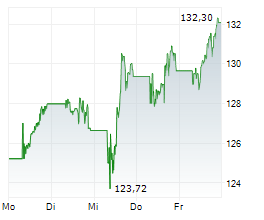
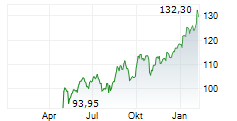
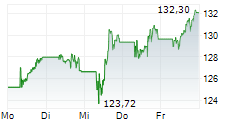
NVS closed Friday's (Nov.6, 2026) trading at $162.55, up 0.38%.
Copyright(c) 2026 RTTNews.com. All Rights Reserved
Copyright RTT News/dpa-AFX
© 2026 AFX News