

Originally published on GoDaddy Resource Library
NORTHAMPTON, MA / ACCESS Newswire / September 21, 2026 / Tell us a little bit about yourself and your career journey to date.
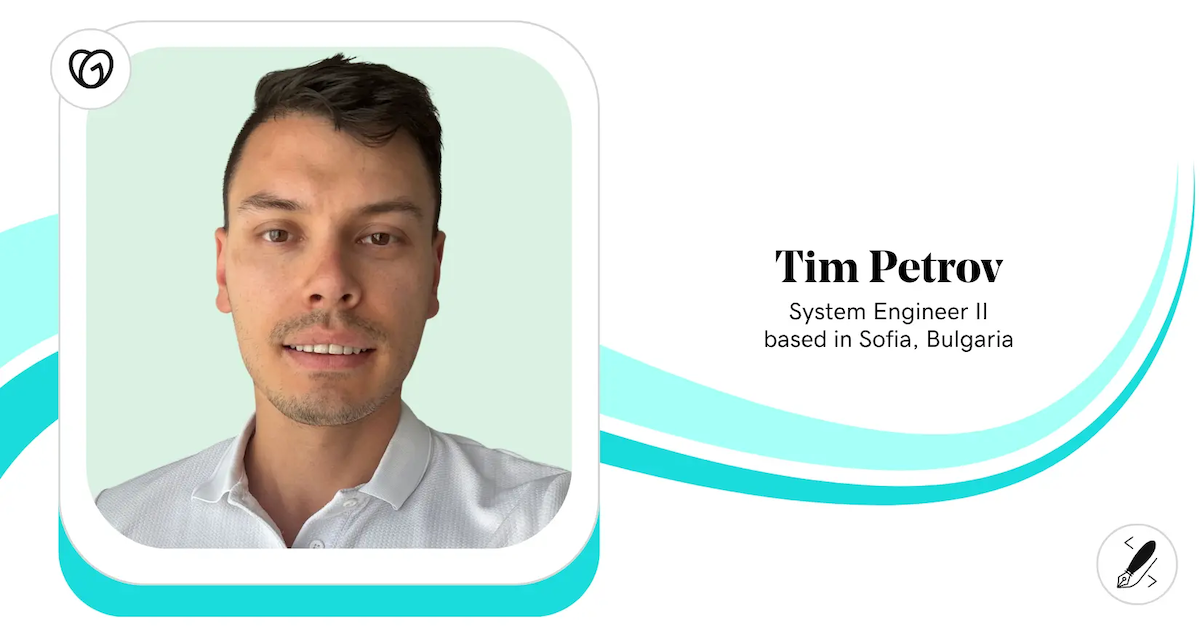
Hi, I'm Tihomir Petrov - though most people call me Tim. I'm a System Engineer II based in Sofia, Bulgaria, and my path into engineering isn't the traditional one. I studied Economics and Management, which on paper has very little to do with servers and infrastructure. But curiosity has always been what pushed me to keep learning.
Nearly a decade ago, that curiosity, paired with a genuine desire to help people, led me to my first role in customer support. I didn't have a clear roadmap. I just kept showing up, listening, and wanting to understand more. That mindset carried me from Phone Support Representative to Senior, then into Technical Support, Senior Technical Support, and eventually System Engineering, where I've now been for more than two years. What I enjoy most about it is finding ways to automate repetitive work, improve reliability, and make life easier for the people who use the systems we build.
What non-technical skill has helped you succeed the most in a deeply technical role?
Empathy - and I say that without hesitation.
This skill was born on the phones. Years in customer support taught me something no technical course ever could: that how you make someone feel in a difficult moment matters just as much as the solution you provide. I carried that lesson with me when I moved into engineering, and I carry it still.
Behind every ticket and every alert that fires at midnight, there is a person waiting for things to work. Empathy pushes me to ask not only what broke, but who it affected and how we can prevent it from happening again. It naturally leads to better communication - which in incident response is often just as important as the technical fix itself. And it's what drives me to document thoroughly and share knowledge openly, because I remember exactly what it felt like to be the one searching for answers.
What's the most challenging yet rewarding thing that you've worked on at GoDaddy?
Two things come to mind - and they couldn't be more different from each other.
One of the most rewarding has been building an internal server toolkit now used daily by operators across multiple GoDaddy teams. I noticed a gap in how we were handling certain workflows - a lot of repetitive manual work - and decided to build a solution. What started as a small automation project became something people rely on every day, saving operators time across shifts.
The second is far less predictable - being part of critical incident response. When something breaks at scale, every second counts. There's no script, no safety net - just a team that needs to move fast, communicate clearly, and trust each other completely. Those moments have taught me as much about people as they have about systems.
One taught me the power of ownership. The other taught me the power of trust.
How has your definition of "success" changed as you've grown in your career?
Early on, success was simple - resolve the call, satisfy the customer, hit the numbers. Clear, visible, immediate. That definition served me well at the time. It kept me sharp and hungry.
But somewhere along the way - in the middle of a career transition that felt bigger than my confidence at the time - I realized those visible markers weren't enough anymore. I was doing work where the results were slower, less certain, harder to measure. And I had to learn to trust the process before I could see the outcome.
Today, success means leaving things better than I found them. Did I build something that makes the next person's job easier? Did I share something that helped someone grow? One moment that really stayed with me was seeing people use something I'd built because it genuinely made their work easier - they didn't need to know who created it for the impact to matter. That's the standard I hold myself to now.
How has GoDaddy supported your personal growth and learning initiatives?
What stands out to me most isn't any single program or resource - it's the people.
I think of the manager who, at a pivotal moment in my transition into engineering, didn't point me toward the next step - he trusted me enough to let me find it myself. The teammates who shared their knowledge freely, not because they had to, but because that's simply how things work here. The engineers who challenged my thinking in ways that made me uncomfortable at first, and sharper for it afterward.
Curiosity isn't just welcomed here - it's expected. Whether it's mentorship, internal knowledge sharing, or simply being encouraged to take ownership of new challenges, the support is always there.
Even during moments of uncertainty - especially while transitioning from Technical Support into System Engineering - I never felt like I was figuring it out in a vacuum. That's not something you find everywhere.
What do you enjoy doing outside of work?
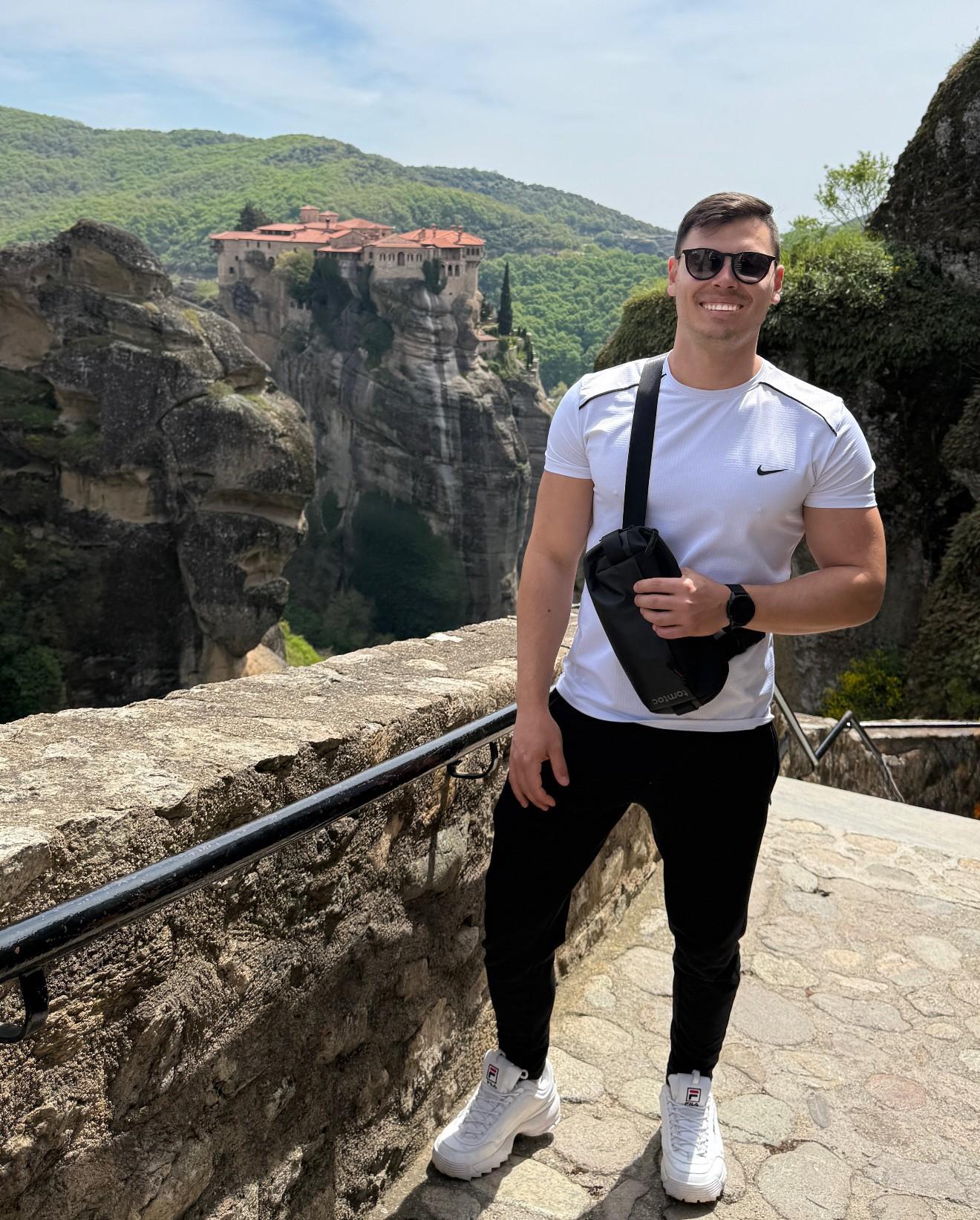
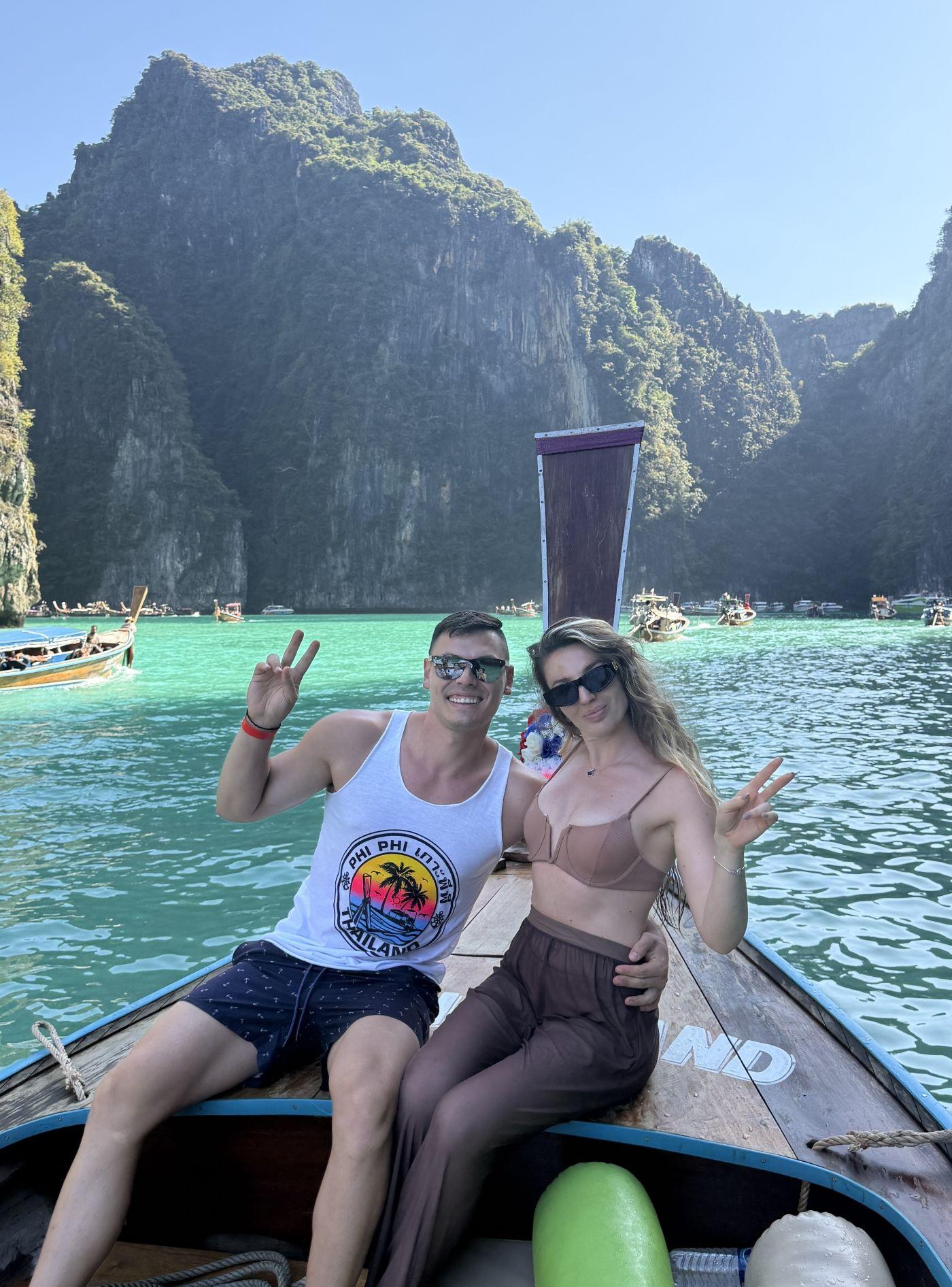
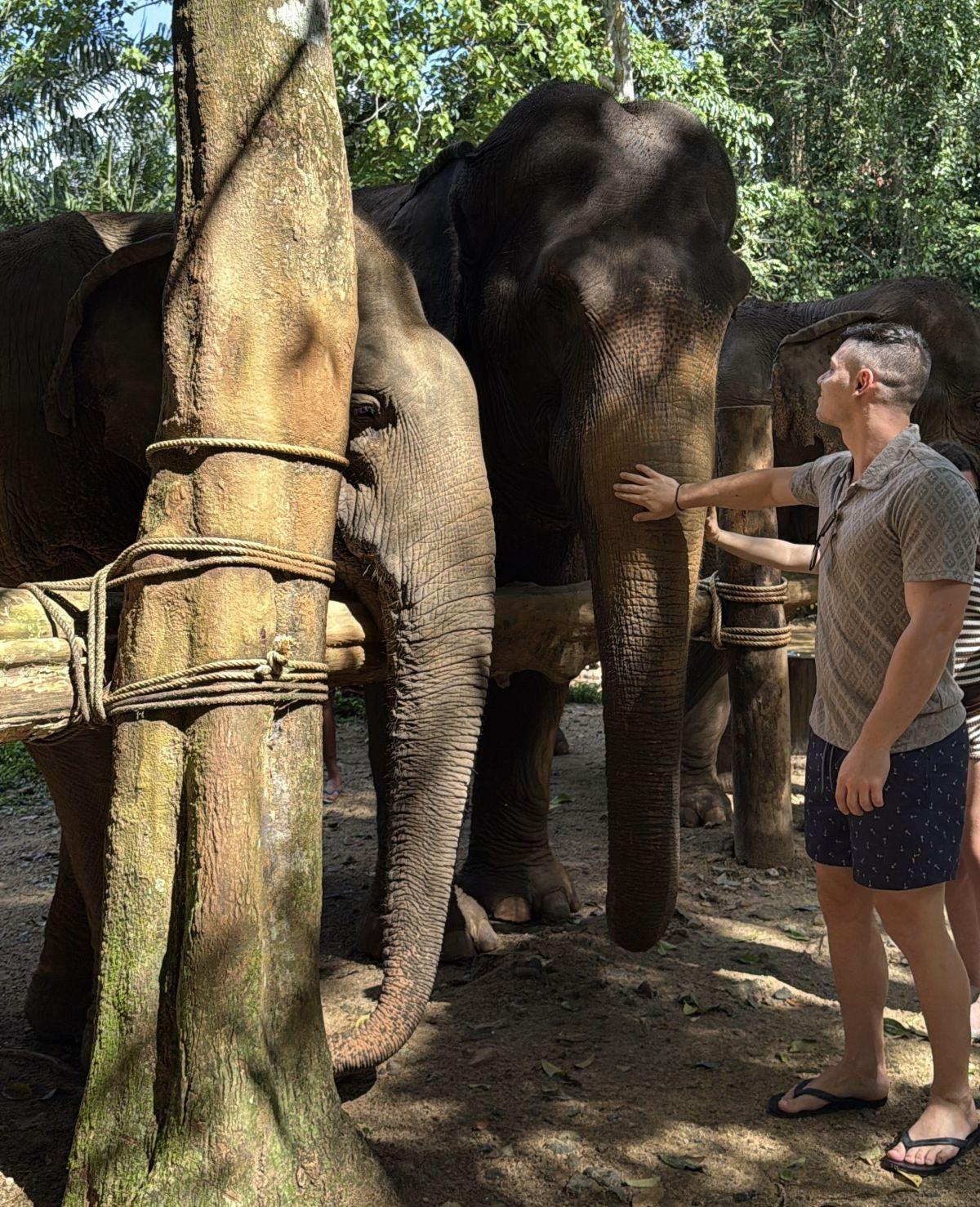
Outside of work, you'll most likely find me on a trail, in a gym, or somewhere on a map I haven't been to yet. Hiking, weightlifting, and traveling are the things that help me recharge.
Weightlifting keeps me disciplined and grounded - there are no shortcuts in the gym, and that mindset carries over into my work more than I expected.
What tends to surprise people is how deliberately off the beaten path I like to go - I'm less interested in the top ten tourist spots and much more drawn to the quieter, harder-to-reach places that most people walk past. Some of my best stories have come from exactly those kinds of detours. Every trip teaches me something new, whether it's about another culture, a different way of thinking, or even about myself. I like bringing that same curiosity back into my work.
Are you enjoying this series and want to know more about life at GoDaddy? Check out our GoDaddy Life social pages! Follow us to meet our team, learn more about our culture (Teams, ERGs, Locations), careers, and so much more. You're more than just your day job, so come propel your career with us.
- TikTok
- Career Page
Find more stories and multimedia from GoDaddy at 3blmedia.com.
Contact Info:
Spokesperson: GoDaddy
Website: https://www.3blmedia.com/profiles/godaddy
Email: info@3blmedia.com
SOURCE: GoDaddy
View the original press release on ACCESS Newswire:
https://www.accessnewswire.com/newsroom/en/business-and-professional-services/where-empathy-meets-engineering-meet-tim-petrov-1224655
