
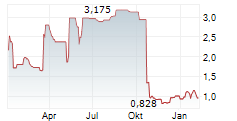
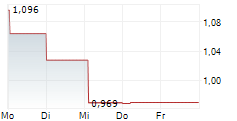
Solna, Sweden 29 October 2026 - Lucamzi (ranibizumab-blrz) biosimilar to Lucentis® has been approved by FDA in the US. Xbrane will finalize preparation for an upcoming launch of the product during 2027 together with its partners.
American ophthalmologists and their patients will soon have a cost-effective treatment option for neovascular (wet) age-related macular degeneration (AMD) and other serious eye conditions after the US Food and Drug Administration (FDA) approved Lucamzi (ranibizumab-blrz) as a biosimilar to Lucentis® . The FDA rigorously reviews biosimilars based on the totality of the evidence presented by the sponsor, "so that healthcare providers and patients can be confident of their safety, effectiveness, and quality". For Lucamzi, this evidence included a comprehensive comparative analytical assessment at a structural and functional level as well as a Phase 3 clinical study that demonstrated equivalent efficacy and comparable safety to the reference product in 582 patients with wAMD. Xbrane is now, together with its partners, finalizing preparations for the commercial launch of the biosimilar in the United States.
"FDA approval of Lucamzi is a landmark event for Xbrane, representing a key opportunity to reach many more patients and to realize a return on our development investments," commented Martin Åmark, CEO of Xbrane Biopharma.
Ranibizumab is an anti-VEGF (vascular endothelial growth factor) drug for treating retinal vascular disorders, which are a leading cause of blindness globally. Around 20 million people in the US are living with AMD, with an age-standardized prevalence of 5,677 per 100,000 people. The total economic burden of late-stage AMD in the US is estimated at between $49.4 billion annually, based on a mid-value prevalence rate. Increased biosimilar competition on ranibizumab, such as through Lucamzi, provides cost-effective options to provide equivalent therapy at lower prices, thereby reducing US healthcare costs and improving patient access. Anti-VEGFs for retinal disorders constituted a market of approx. €9 billion of annual net-sales with approx. 10 million injections annually.
Contacts
Martin Åmark, CEO
E: martin.amark@xbrane.com
Jane Benyamin, CFO/IR
E: jane.benyamin@xbrane.com
About Us
Xbrane Biopharma AB develops biological drugs based on a patented platform technology that provides significantly lower production costs compared to competing systems. Xbrane has a portfolio of biosimilar candidates targeting EUR 23 billion in estimated annual peak sales of the respective reference product. The lead candidate Ximluci® is granted market authorization approval in Europe and was launched during 2023. Xbrane's head office is in Hagastaden, Stockholm. Xbrane is listed on Nasdaq Stockholm under the ticker XBRANE. For more information, visit www.xbrane.com
This information is information that Xbrane Biopharma is obliged to make public pursuant to the EU Market Abuse Regulation. The information was submitted for publication, through the agency of the contact persons set out above, at 2026-10-27 15:40 CET.
