
DALLAS, TX / ACCESSWIRE / September 11, 2020 / People are wisely choosing to help slow the spread of COVID-19 through social distancing, working from home, and self-isolating, all resulting in spending more time at home and online. With more time indoors and easy access to the couch and bed - many people may be experiencing more aches and pains that come with living a more sedentary lifestyle and spending more time in front of a screen. However, physical therapy treatment can help restore the body's function and movement while also promoting healing and pain relief. Physical therapy helps patients of all ages with medical conditions, illnesses, or injuries that limit their abilities to function normally. It also helps encourage an active and healthy lifestyle to maintain overall health and well-being. Incorporating stretching and strengthening movements each day will help relax tense muscles, reduce aches, make you feel better overall, and can help conquer virtual meeting fatigue.
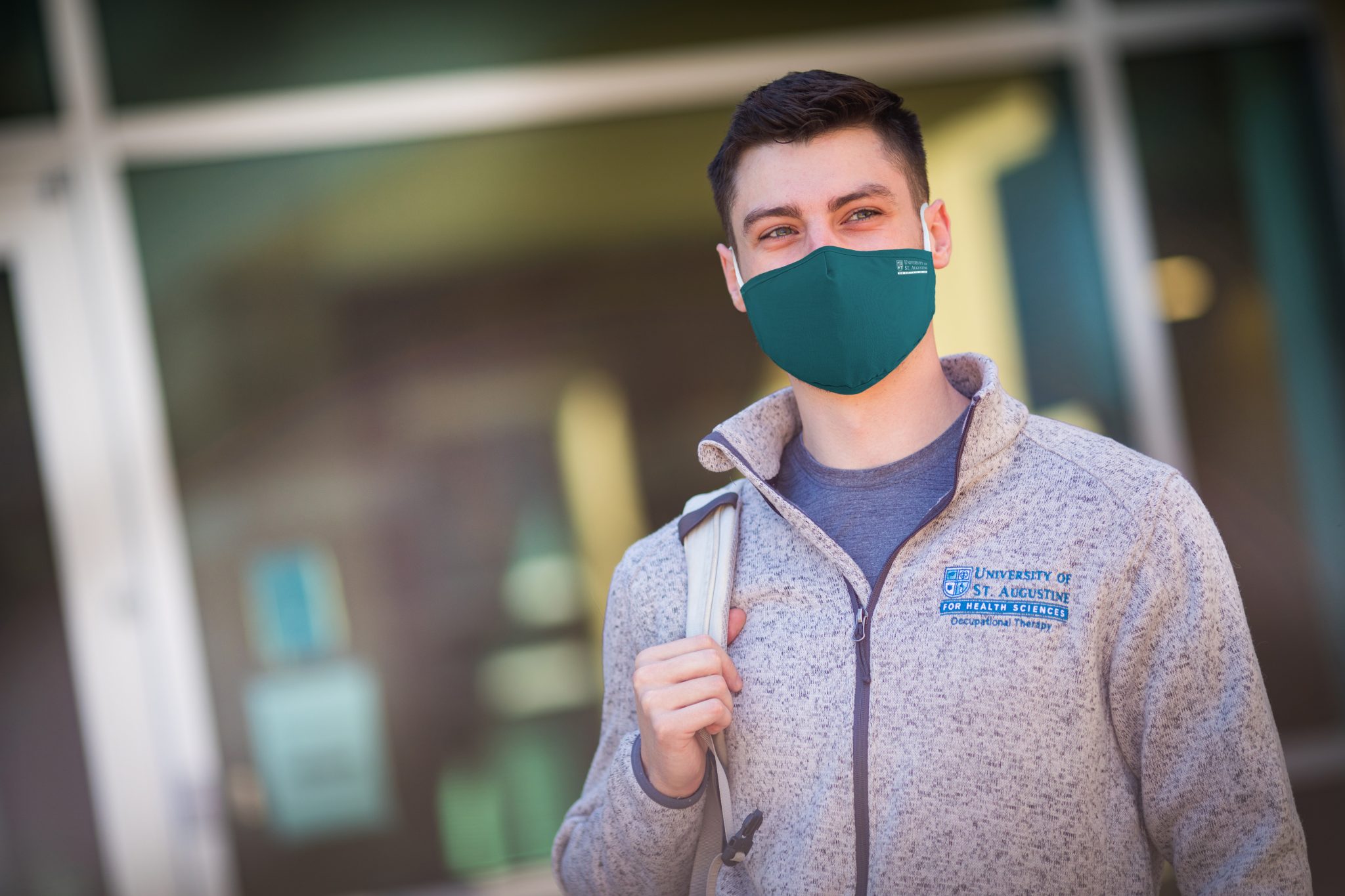
"Many people may find that they are spending more time in virtual meetings than ever before. During these unprecedented times, we have been able to keep working, laughing, sharing, learning, and connecting with others online via Zoom. It's important to know your Zoom limits and practice healthy habits because, like any good thing, you can Zoom too much," said Dr. Thomas Werner, from the University of St. Augustine for Health Sciences. "To combat 'Zoom Doom' or virtual meeting fatigue, as well as other physical reactions to a less active lifestyle, it's important to keep moving, eat healthily, and get plenty of rest. As we learn to adapt to changes caused by COVID-19 around the world, we must remain vigilant in performing activities that have great benefit to our health."
Here are a few valuable tips from Dr. Thomas Werner and other physical therapy professors from the University of St. Augustine for Health Sciences, to help prevent "Zoom Doom" and alleviate common aches and pains caused by a somewhat sedentary lifestyle.
- 20-20-20 Rule. Remember that your eyes keep working, whether you are sitting or standing. To avoid eye strain, follow the 20-20-20 rule: Every 20 minutes, give your eyes a 20-second break by focusing on something at least 20 feet away.
- Good lighting and positioning when keyboarding. Check lighting frequently when working from home. Avoid bright lights near windows, which may cause excessive glare and low lights in interior rooms that may cause strain on the eyes. Select a keyboard with sharp contrasting colors on the keys to prevent squinting and excessive head flexion.
- Check your desk's ergonomics. Make sure your monitor is at eye level, and your chair height is positioned, so both feet touch the floor. Don't forget to adjust keyboard positioning, if able, to allow shoulders in a relaxed neutral position, elbows bent and supported on armrests, and wrists in a neutral position.
- Stretch your hamstrings to reduce back pain. Tight hamstring muscles are a frequent contributor to lower back pain. Hamstring muscles start at the hip and run down to the back of your knee behind each thigh. Stretching should be done twice daily and regularly for 30-60 seconds. This has been proven to be effective in alleviating back pain. Try to incorporate stretches into a daily routine, such as when getting up every morning and going to bed each night. You can do simple stretches at home with everyday household items, including the towel stretch, chair stretch, or wall stretch.
- Towel Stretch: Lay down on your back, hold each end of a rolled-up towel and wrap it behind your feet. Then pull your leg up in front of your body to feel a slight stretch in the hamstring muscle.
- Chair Stretch: Sit in a chair, place one leg straight out on another chair in front of your body. Reach your toes and stretch one leg at a time.
- Wall Stretch: Lie on the floor, with the buttocks against a wall and your legs against the wall. Try to push your knee as straight as possible. This stretch is gentle on the lower back because it places little stress on the low back, and your body is supported while lying down.
- Relieve neck pain with these three simple stretches:
- Neck Tilt - Sit in a chair, bring your chin to your chest, hold it there for five seconds, and then bring it back up. Repeat four more times.
- Side to Side Neck Tilt - Sit down, stretch your left ear to touch your left shoulder. Hold it there while counting to five, and then bring your neck back up. Do the same thing on the opposite ear. Repeat for a total of five times.
- Neck Stretch - Stand up straight, bring your chin forward and keep it there for five seconds. You should feel pressure in your throat. Bring your chin back to where you started, and then bring it backward and keep it there for five seconds. Repeat each stretch for a total of five times each.
- Get moving. If you can, go for a walk outside for 20-30 minutes each day - be sure to heed social distancing guidelines. Exercise improves cardiovascular health and mood and increases Vitamin D production. Further, it can reduce pain or stiffness perceived in muscles and joints.
- Consider telehealth physical therapy. Telehealth is becoming increasingly popular because it enables patients to see and talk to their health care providers, from the comfort and convenience of their own home. During a private telehealth appointment, you will work one-on-one with your physical therapist, without any distractions. If you would like, you can also involve family members or caregivers in your appointment.
- Manage your mental health. Depression and anxiety can increase the chances of developing chronic pain. To help reduce stress, prioritize self-care activities you enjoy, such as working out, connecting virtually with friends or family, reading a book, or making time for a new hobby.
The tips listed above are not intended to be a substitute for professional medical advice, diagnosis, or treatment. Always seek the advice of your physician or other qualified health provider with any questions you may have regarding a medical condition.
About University of St. Augustine for Health Sciences
The University of St. Augustine for Health Sciences (USAHS) is a graduate institution that offers degree programs in physical therapy, occupational therapy, speech-language pathology, nursing, education, and healthcare administration, as well as continuing education programs. Founded in 1979, USAHS educates students through its network of campuses in San Marcos, California; St. Augustine and Miami in Florida; and Austin and Dallas in Texas. USAHS is regionally accredited by the Western Association of Schools and Colleges (WASC) Senior College and University Commission (WSCUC), 985 Atlantic Avenue, #100, Alameda, CA 94501, (510) 748-9001, www.wascsenior.org, and depicts its commitment to social responsibility through its B Corp certification. For more information: www.usa.edu.
Media Contact:
Katie Mudd
The Vokol Group on behalf of University of St. Augustine for Health Sciences
katie@thevokolgroup.com
214-676-4254
SOURCE: University of St. Augustine for Health Sciences
View source version on accesswire.com:
https://www.accesswire.com/605743/Experts-from-University-of-St-Augustine-for-Health-Sciences-Share-Tips-to-Alleviate-Zoom-Doom
