WASHINGTON, D.C. / ACCESSWIRE / February 26, 2024 / The Fisheries Survival Fund (FSF) has submitted extensive comments to the Bureau of Ocean Energy Management (BOEM) regarding the Draft Programmatic Environmental Impact Statement (Draft PEIS) for the New York Bight Wind Energy Area. The FSF, representing the majority of full-time Limited Access scallop fishermen on the East Coast, has raised significant concerns over the inadequacies of the Draft PEIS in addressing the impacts of offshore wind development on scallop fisheries, which are among the most valuable federally-managed commercial fisheries in the United States.
The FSF argues that the Draft PEIS, while prepared under the National Environmental Policy Act (NEPA) and Outer Continental Shelf Lands Act (OCSLA), fails to adequately mitigate the impacts of offshore wind development on the Mid-Atlantic scallop resource and does not sufficiently reduce wind farm interference with scallop fishing activities.
The full comments from the FSF are available here.
Concerns Raised by the FSF:
- Inadequate Mitigation Measures: The FSF asserts that the avoidance, minimization, mitigation, and monitoring measures (AMMMs) proposed in the Draft PEIS fail to adequately protect the Mid-Atlantic scallop resource from the detrimental effects of offshore wind farm development. These measures are deemed insufficient in preventing interference and hazards to scallop fishing operations within the New York Bight wind farm arrays.
- Neglected Alternatives: The submission criticizes the Draft PEIS for dismissing the development of fisheries impact minimization and pelagic habitat impact minimization alternatives. The FSF argues that these alternatives, crucial for the sustainable coexistence of scallop fisheries and wind energy development, were not considered adequately.
- Economic Impact and Lease Areas: The FSF highlights the significant economic impact of wind farm development on the scallop fisheries, with historical landings from the New York Bight lease areas amounting to over $236 million between 2008-2021. The organization points out that the lease areas targeted for early development are also those with the highest scallop landings, raising concerns over the disproportionate impact on the scallop fishery.
- Environmental and Operational Concerns: The FSF emphasizes that the Draft PEIS underestimates the environmental impacts on the scallop habitat, including changes in hydrodynamics, sedimentation, and the overall benthic and pelagic environment. These environmental changes pose significant risks to scallop larval distribution, settlement, and survival. Moreover, the operational challenges for scallop fishing within wind farm areas, due to increased hazards and limited maneuverability, are highlighted as major concerns.
In response to these critical issues, the Fisheries Survival Fund urges BOEM to undertake a comprehensive reassessment of the Draft PEIS. The law firm calls for the inclusion of previously overlooked alternatives that focus on minimizing impacts on scallop fisheries and their habitat, ensuring the protection of this vital industry while facilitating responsible offshore wind development.
The FSF and its members, participants in full-time Limited Access scallop fishery on the East Coast, stand ready to engage in further dialogue with BOEM to address these concerns comprehensively, aiming for a balanced approach that supports both sustainable energy development and the preservation of the United States' valuable scallop fisheries.
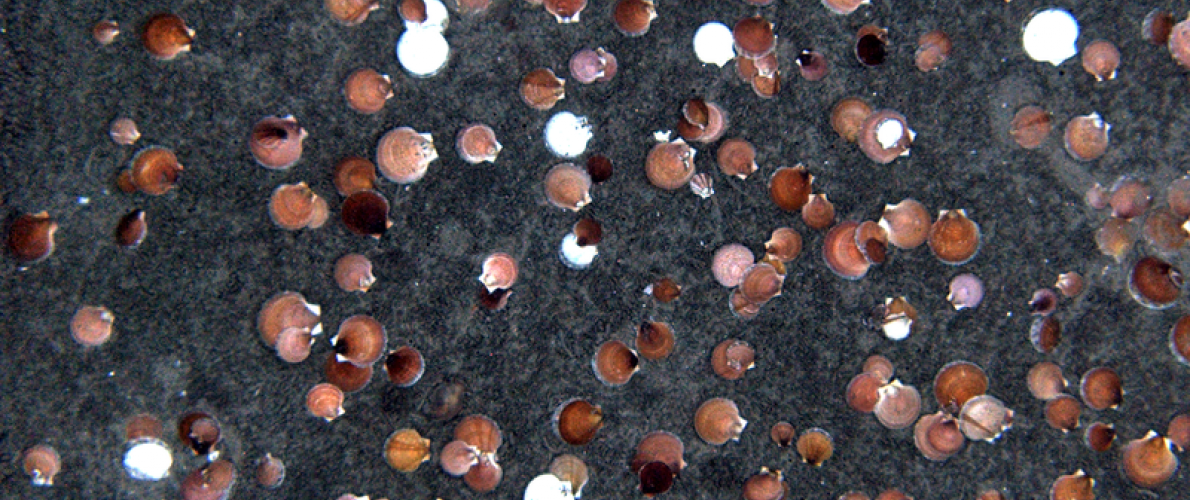
About the Fisheries Survival Fund
The Fisheries Survival Fund (FSF) was established in 1998 to ensure the long-term sustainability of the Atlantic sea scallop fishery. FSF participants include the vast majority of full-time Atlantic scallop fishermen from Maine to North Carolina. FSF works with academic institutions and independent scientific experts to foster cooperative research and to help sustain this fully rebuilt fishery. FSF also works with the federal government to ensure that the fishery is responsibly managed.
Press Contact
David E. Frulla
Kelley Drye & Warren LLP
(202) 342-8648
dfrulla@kelleydrye.com
SOURCE: Fisheries Survival Fund
View the original press release on accesswire.com