Philadelphia-based facial plastic surgeon discusses the importance of surgical adaptability and anatomical assessment in modern rhinoplasty.
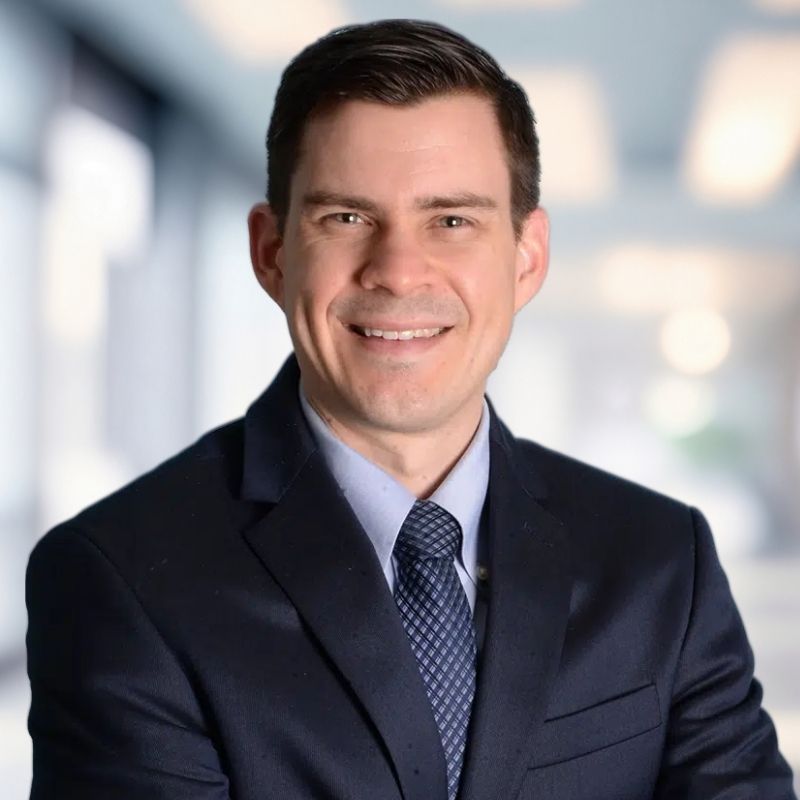
PHILADELPHIA, PA / ACCESS Newswire / January 14, 2026 / Rhinoplasty is widely regarded as one of the most complex procedures in facial plastic surgery. It blends precise technique with a deep understanding of structure, balance, and function. Yet online conversations often reduce it to a contest over a single "best" method. In a series of educational videos, Dr. Kirk Lozada of Lozada Facial Plastic Surgery explains why successful rhinoplasty relies on adapting the procedure to the person-not on allegiance to one technique.
The problem with "one right way" claims
Across social media, some messages present a favored method as the only correct approach. Dr. Lozada cautions patients not to take those absolutes at face value. As he puts it in one post, "If you hear people on social media, especially surgeons, talking about a single technique as the solution or the secret... that's a really big red flag." He encourages patients to look for surgeons who demonstrate flexibility and can explain why a plan makes sense for a specific anatomy and goal, rather than defaulting to a one-size-fits-all sequence.
Why flexibility defines surgical excellence
In rhinoplasty, outcomes hinge on anatomy that varies widely-skin thickness, cartilage strength, tip support, dorsal contour, septal integrity, and more. Even a technically adept surgeon can see uneven results by repeating the same steps for every patient when the patients themselves are different. That is the core of Dr. Lozada's message: reliable results come from tailoring the plan and using a broader "tool belt" when needed, not from forcing each case to match a preset template.
Every nose needs its own plan
At the consultation stage, Dr. Lozada assesses facial proportions, the structural framework of the nose, breathing function, and the patient's aesthetic priorities. He summarizes this approach plainly: "Every single nose is different. Every single nose starts out at a different point and needs a different 'recipe,' if you will. If I don't vary my plan and how I'm going to treat each nose, then I'm not going to get the most optimal result for each patient." The plan might include structural grafts for support, nuanced tip work, refinement of a dorsal hump, or limited preservation maneuvers-always chosen for the person in front of him.
Technique matters-context matters more
In another educational discussion, Dr. Lozada addresses the internet's habit of ranking techniques as "good" or "bad." His stance is straightforward: "I don't like saying this technique is good, this technique is bad... Some techniques are better than others to use more consistently. You really want to know when techniques work for specific cases and why they work." Rather than chasing buzzwords, he urges patients to ask how a surgeon reasons about when and why to use a given method, and what will change if key variables-like tip support or skin thickness-are different.
Cutting through clickbait and absolutes
Dr. Lozada notes that "there's too much clickbait out there on the internet and on social media," which can make people anxious about methods that might, in truth, be reasonable for a small subset of cases. The more useful lens is nuance: some maneuvers are widely applicable; others are rarely indicated but can be appropriate in specific anatomies. Reducing complex decision-making to absolutes misses the point and may confuse patients who are sincerely trying to learn.
He also reminds patients that nuance is not a weakness-it's a marker of expertise. As he has observed, everything in modern rhinoplasty "exists in the gray zone," and outcomes improve when surgeons acknowledge those gray areas and adapt to them.
How patients can evaluate a surgeon beyond the buzzwords
For people considering rhinoplasty in Philadelphia, the consultation is the place to test a surgeon's reasoning. Helpful questions include: How would the plan change if the skin is thicker or thinner? If the tip support is weak, what strategies would you use? How do you balance breathing function with aesthetic changes? Answers that reference specific anatomy-and explain trade-offs-are more meaningful than declarations that one method is universally superior.
Before-and-after photos can also reveal a surgeon's philosophy. Look for consistent, natural results across different starting points rather than a single "signature" look. Dr. Lozada's rhinoplasty before-and-after gallery reflects that range, highlighting outcomes that suit each patient's facial proportions.
What to expect during consultation
During consultation, Dr. Lozada takes time to discuss each patient's goals, perform a focused evaluation of nasal structure and breathing function, and explain the reasoning behind his recommended techniques. He also reviews recovery milestones and the normal timeline of swelling and refinement so patients understand what to expect as their results evolve. This process helps align expectations, protect breathing, and support long-term stability-key elements that online debates often overlook.
Education first, decisions grounded in anatomy
Dr. Lozada's broader objective is to replace fear and confusion with clear, patient-friendly education. Instead of centering the conversation on "the best technique," he centers it on the best fit for a particular anatomy and goal. Patients can learn more on the practice's rhinoplasty overview, explore individualized outcomes in the results gallery, and reach the team through the contact page to schedule a consultation.
A philosophy focused on balance, function, and longevity
Dr. Lozada performs primary and revision rhinoplasty with an emphasis on facial harmony and durable structural support. Rather than aiming for a uniform outcome, he prioritizes proportional, natural-looking results that respect each patient's facial identity and breathing. His goal is consistency across diverse patients-achieved by adjusting the plan to the person, not by applying a single formula.
About Dr. Kirk Lozada and Lozada Facial Plastic Surgery
Dr. Kirk Lozada is a fellowship-trained facial plastic and reconstructive surgeon whose practice focuses exclusively on procedures of the face and neck. Located in Philadelphia, Lozada Facial Plastic Surgery offers advanced rhinoplasty, revision rhinoplasty, and facial rejuvenation with a focus on individualized care and education. For more information or to request an appointment, visit the practice contact page.
Media Contact
Dr. Kirk Lozada
info@drkirklozada.com
(267) 817-4600
SOURCE: Kirk Lozada, MD, Facial Plastic Surgery
View the original press release on ACCESS Newswire:
https://www.accessnewswire.com/newsroom/en/healthcare-and-pharmaceutical/dr.-kirk-lozadas-insights-on-why-rhinoplasty-should-never-depend-on-a-1126567