
SCARBOROUGH, ME / ACCESS Newswire / January 15, 2026 / Originally published on Guiding Stars Health & Nutrition News
by Kitty Broihier
Have you noticed that protein's popularity shows no signs of slowing? It seems everywhere you look there's a social media post, commercial, or diet program touting the importance of protein and why you should be getting more of it. And don't get me started on the proliferation of protein-enhanced packaged food products on the shelves these days. Do we really need more protein? Is this pro-protein stance just a marketing gimmick? Let's take a look at what science says about protein versus the hype.
Claim: Everyone Needs More Protein
A high-protein diet is often portrayed as being universally beneficial, but the truth is more nuanced. Protein is an essential nutrient. We all need to consume it daily for a variety of functions, but are we all lacking protein? Not exactly. The Recommended Dietary Allowance (RDA) of protein is set low (at the minimum needed daily to prevent malnutrition in most healthy adults). Most American adults at least meet that amount, according to the U.S. Dietary Guidelines. And certain groups, such as males age 19 - 60, are exceeding that amount.
There is a growing call to increase the RDA for protein, however, which hasn't changed since 2005. This adjustment would help account for more accurate methods of measuring the use of protein in the body. There is also new science showing that certain groups need more than the minimum amounts to meet their metabolic needs. They include people who are pregnant or breastfeeding, older adults, young children, and people who are physically active. Anyone in one or more of these categories may require substantially higher amounts of protein than the current RDA dictates.
Verdict: The claim that everyone needs more is hype. However, some people likely do need more. Protein needs are not a one-size-fits-all situation. Your actual needs will vary according to your age, health status, activity levels, and health goals. Consider talking with your physician or consulting with a registered dietitian if you're concerned that you might not be getting enough protein in your diet.
Claim: Eating Animal Protein Is the Best Way to Meet Protein Needs
Carnivore diet proponents push us to eat more and more animal protein (often to the exclusion of other foods). They base their arguments on the fact that animal proteins are complete proteins. This means that animal proteins contain all the amino acids your body needs.
Plant proteins, on the other hand, are considered incomplete. Nevertheless, it is possible to get all the protein you need each day from plant sources. What's more, plant sources of protein are not associated with the increased cardiovascular risks of animal proteins. Also, plant-based proteins such as nuts, seeds, legumes, soy products, whole grains, and vegetables beat animal-based proteins in health-promoting benefits. For example, they include more fiber, less saturated fat, and a variety of beneficial phytonutrients.
Verdict: Animal proteins are not necessary to meet protein requirements-that's hype. And red meat and processed meats especially link with negative health outcomes. Experts recommend varying your protein sources, and when you do have animal proteins, choose lower-fat options to minimize risk. Shifting your diet to achieve more balance between animal and plant proteins is a smart health move. Check out the wide selection of Guiding Star-earning plant-based recipes here.
Claim: Consumers Need More Protein-Packed Food Options
Many consumers report increasing their protein consumption in recent years. According to a recent survey by the International Food Information Council, considering whether a food is a "good source of protein" is now a primary selection factor. And 70% of these survey respondents said they are actively trying to consume more protein. So it's no surprise that food manufacturers are offering up more options featuring pumped-up protein levels.
Nutritional need doesn't necessarily drive the quest for more protein, that's clear. The increased consumer interest likely has at least several drivers, including:
Media and social media promotion of higher-protein diets
Increasing use of GLP-1 medications
Weight loss and/or fitness goals
Guiding Stars does not include protein as one of the factors by which we assign star ratings. Protein varies widely by food group, and a lower-protein food is not necessarily less nutritious than one with more protein. And it's the goal of Guiding Stars to lead you to nutrient-dense foods, not just protein-rich ones. (For more on Guiding Stars' take on protein, check out this post.)
Verdict: This is true-consumers do want more protein-packed foods. But let's keep in mind that eating more protein-enhanced foods isn't necessary for eating adequate protein. There's no nutritional need for toaster pastries and candy bars with added protein, and these kinds of foods aren't suddenly super healthy because they have a few grams of added protein. Getting enough protein means having enough of this macronutrient in your overall diet, not relying on specific foods to do the heavy lifting.
About Guiding Stars
Guiding Stars is an objective, evidence-based, nutrition guidance program that evaluates foods and beverages to make nutritious choices simple. Products that meet transparent nutrition criteria earn a 1, 2, or 3 star rating for good, better, and best nutrition. Guiding Stars can be found in more than 2,000 grocery stores and through the Guiding Stars Food Finder app.
Image by Freepik
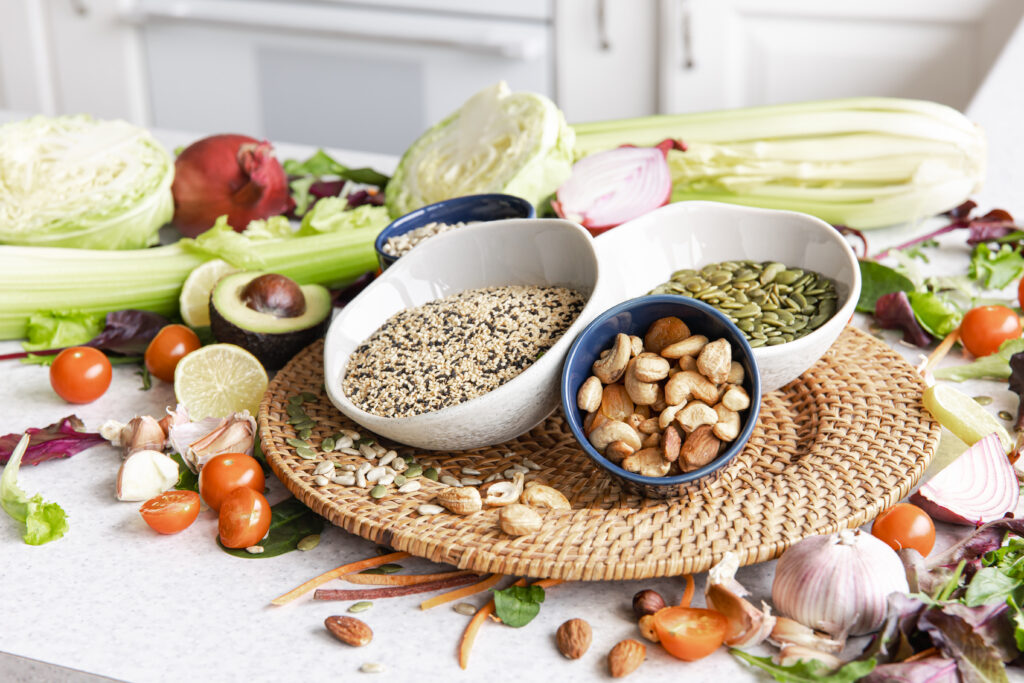
Image by Freepik
View additional multimedia and more ESG storytelling from Guiding Stars Licensing Company LLC on 3blmedia.com.
Contact Info:
Spokesperson: Guiding Stars Licensing Company LLC
Website: https://www.3blmedia.com/profiles/guiding-stars-licensing-company-llc
Email: info@3blmedia.com
SOURCE: Guiding Stars Licensing Company LLC
View the original press release on ACCESS Newswire:
https://www.accessnewswire.com/newsroom/en/business-and-professional-services/guiding-stars-protein-pressure-separating-fact-from-hype-1127473
