Exploring the key developments, themes and top takeaways for businesses coming out of COP30.
NORTHAMPTON, MA / ACCESS Newswire / January 30, 2026 / Download the report
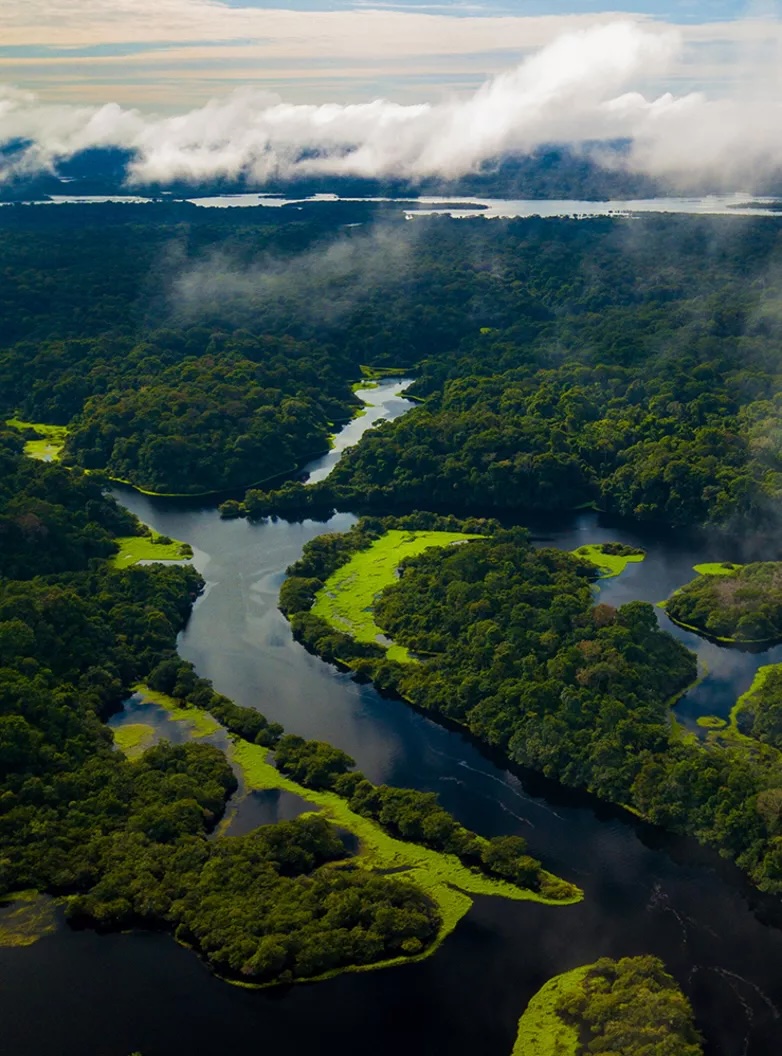
COP30 in Belém marked 10 years since the Paris Agreement and was branded the 'COP of implementation', with a focus on the action agenda. This year's event aimed to establish critical pathways to operationalize commitments, integrate climate, nature, and social dimensions, and accelerate adaptation finance, with the Amazon backdrop emphasizing biodiversity and Indigenous inclusion.
KPMG leaders were on the ground at COP30 leading, moderating and engaging in thoughtful discussions, with the aim of collectively moving forward to tackle climate change.
In the below report, KPMG shares reflections and perspectives on the implications for the business world.
"There's still time for decisive action, but the window to build resilience and realize value opportunities is rapidly closing."
Mike Hayes
Global Head of Climate, Decarbonization, Nature & Renewable Energy
KPMG international
Themes and considerations for businesses
Heading into a 2.5°C degree world
With the world on track for a 2.5°C minimum, and warming and systemic risks rising, corporates should embed resilience into strategy through supply chain adaptation, onsite renewables, and efficiency levers.
Energy transition
There was the overall consensus that a stronger focus is required on delivering on three previous commitments focused on reducing global temperature rise by 1°C: tripling renewables, doubling energy efficiency, and reducing methane by 30 percent by 2030. The key blocking issue is lack of grid investment. Despite the fact that a roadmap was not included in the final agreement, the fact that 80 jurisdictions have agreed to work on a voluntary roadmap is a significant development that will have longer term implications (ultimately changing the energy mix and contributing to net-zero goals for corporates over time).
Corporate alignment with NDCs and policy signals
Updated Nationally Determined Contributions (NDCs 3.0) reaffirm ambition but lack investment pathways. Businesses should develop credible transition plans aligned to NDCs to unlock capital and policy support.
Corporate transition planning
At COP30, there was strong support for KPMG firms' three lens approach, particularly on the importance of disclosing and acting on dependencies, and working with governments and other stakeholders to enable systemic change. Additionally, the integration of adaptation and resilience and nature considerations into transition plans is emerging as imperative.
Adaptation and resilience
Adaptation and resilience have shifted from the sidelines to the center of climate action at COP30, with new global indicators, increased finance commitments, and frameworks aimed at integrating adaptation into national plans and private investment strategies.
Climate finance
There was commitment to triple adaptation finance by 2035, but private capital is critical. Companies should prepare investable projects as financial institutions are committing to providing this type of finance.
Financial valuations
There was strong acknowledgement of the importance of integrating sustainability risks into financial valuations. This is emerging as a key driver that will affect corporates and integrate the cost of inaction into decision-making and business case development.
Just transition and social license
Social considerations are now embedded in policy and finance. Corporates must go beyond "do no harm" and price social risk and opportunity into climate strategies.
Nature integration
Recognition of the critical role of nature for climate mitigation and adaptation, and the importance of businesses taking a holistic approach to these issues, was a theme present at COP30. There is an increasing focus on innovative nature finance mechanisms, such as the TFFF. In the margins, TNFD also published updated transition planning guidance and ISSB announced their intention to develop a nature standard.
Technology and AI
Although AI is under fire due to its role in increasing energy demand, it has significant potential to support the climate agenda by supporting emissions reductions across sectors and acting as a catalyst for the energy transition.
Carbon markets
More technical guidance has been provided on trading high-quality carbon credits; nevertheless, rules on nature-based mitigation are still missing. This progress provides businesses with more clarity on how carbon trading should look under Paris-aligned rules.
Standards alignment
New frameworks (e.g. ISO Net Zero, SBTi 2.0), standards (e.g. nature standard being developed by ISSB), and other industry initiatives should lead companies to prioritize disclosure guidance that deliver real value, such as enhancing disclosure credibility and investor confidence, rather than adding unnecessary reporting burden.
Circularity protocol
The Global Circularity Protocol launched at COP30, which emphasizes how companies should assess circularity opportunities and embed metrics to unlock value and resilience.
Climate and trade
Monitor evolving trade-related climate measures (CBAM, WTO engagement) and factor geopolitical risk into supply chain and pricing strategies.
Click here to view this article on kpmg.com
View additional multimedia and more ESG storytelling from KPMG on 3blmedia.com.
Contact Info:
Spokesperson: KPMG
Website: https://www.3blmedia.com/profiles/kpmg
Email: info@3blmedia.com
SOURCE: KPMG
View the original press release on ACCESS Newswire:
https://www.accessnewswire.com/newsroom/en/business-and-professional-services/key-takeaways-from-cop30-1131985