Anzeige
❌
Mehr »
Mittwoch, 04.11.2026 - Börsentäglich über 12.000 News
4,7 Mrd. USD aus Washington für alte Bohrlöcher: Wer sichert sich die Aufträge?
Anzeige

Indizes

Kurs

%
News
24 h / 7 T
Aufrufe
7 Tage

Aktien

Kurs

%
News
24 h / 7 T
Aufrufe
7 Tage

Xetra-Orderbuch

Fonds

Kurs

%

Devisen

Kurs

%

Rohstoffe

Kurs

%

Themen

Kurs

%

Erweiterte Suche

WKN: A0D9FT | ISIN: DK0010311471 | Ticker-Symbol: TM2
Tradegate
03.11.26 | 16:50
95,60 Euro
+0,95 % +0,90
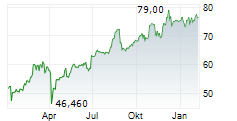
1-Jahres-Chart
AL SYDBANK A/S Chart 1 Jahr
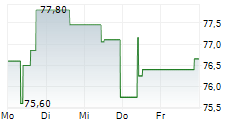
5-Tage-Chart
AL SYDBANK A/S 5-Tage-Chart
RealtimeGeldBriefZeit
94,5594,9007:22
94,6094,7007:24
GlobeNewswire (Europe)
503 Leser
Artikel bewerten:
(2)

AL Sydbank A/S: Outlook for 2026 and new share buyback

Dear Sirs

Outlook for 2026 and new share buyback

Outlook for 2026
AL Sydbank projects moderate growth in the Danish economy in the year ahead and profit after tax in the range of DKK 3,500-4,000m assuming that the Danish central bank holds the certificate of deposit rate steady. The outlook is subject to uncertainty and depends on financial market developments and macroeconomic factors that could affect eg the level of impairment charges.

Share buyback
The Board of Directors has decided to implement a share buyback programme of DKK 1,100 million. The purpose of the share buyback is to reduce the Bank's share capital by the shares purchased under the programme.

At the general meeting of Sydbank A/S held on 20 March 2025 the Board of Directors was most recently authorised to allow the Bank to acquire own shares at a total value of up to 10% of the Bank's share capital.

The price paid for shares may not differ by more than 10% from the price quoted on Nasdaq Copenhagen A/S at the time of purchase.

The share buyback is part of the adjustment to optimise the capital structure in accordance with the Bank's capital targets and capital policy. At 31 December 2025 AL Sydbank had a CET1 ratio of 15.8% and a capital ratio of 19.2%.

The share buyback programme will be initiated on Monday, 2 March 2026 and will be completed by 31 January 2027.

AL Sydbank has chosen Danske Bank A/S to manage the share buyback programme, which will be executed in compliance with Regulation (EU) No 596/2014 of the European Parliament and of the Council of 16 April 2014 and Commission Delegated Regulation (EU) 2016/1052 of 8 March 2016, referred to as the Safe Harbour rules.

The share buyback programme will be subject to the following guidelines:

  • Shares may not be purchased at a price higher than the higher of the following prices:

I. the price of the last independent trade

II. the highest current independent purchase bid on the trading venue where the purchase is carried out, including when the shares are traded on different trading venues.

  • Purchases on any trading day may not exceed 25% of the average daily volume of shares in the preceding 20 trading days on the trading venue on which the purchase is carried out.

On the first banking day of each week AL Sydbank will disclose the number and value of repurchased shares in a company announcement.

AL Sydbank may suspend or terminate the share buyback programme at any time. Such a decision will be announced in a company announcement.

Yours sincerely

Mark Luscombe Jørn Adam Møller
CEO CFO

© 2026 GlobeNewswire (Europe)
Historische Öl-Krise - 5 Aktien, die davon profitieren!
Der Iran-Krieg hat den globalen Energiemarkt erschüttert. Zerstörte Förderanlagen, ausgefallene Transportwege und fehlende Raffineriekapazitäten sorgen dafür, dass nicht nur Rohöl, sondern vor allem Benzin und Diesel knapp und teuer bleiben könnten. Selbst ein Ende der Kämpfe würde das Problem nicht über Nacht lösen, der Wiederaufbau der Energieinfrastruktur dürfte Jahre dauern.

Während viele Anleger jetzt auf ExxonMobil, Chevron oder Shell setzen, könnte das größere Potenzial längst woanders liegen. Denn hohe Ölpreise machen neue Investitionen in Förderung, Transport und Verarbeitung wieder attraktiv. Davon profitieren vor allem jene Unternehmen, die Bohrtechnik, Ausrüstung und Dienstleistungen bereitstellen oder bereits über wertvolle Infrastruktur verfügen.

Hier dürfte die zweite Welle des Öl-Booms entstehen. Statt den bereits stark gelaufenen Produzenten hinterherzulaufen, können Anleger auf die Unternehmen setzen, die am milliardenschweren Wiederaufbau der globalen Energieinfrastruktur verdienen.

In unserem aktuellen Spezialreport zeigen wir 5 Aktien, die von der historischen Öl-Krise besonders profitieren könnten.

Jetzt den kostenlosen Report sichern und die möglichen Gewinner der zweiten Öl-Welle entdecken!
Werbehinweise: Die Billigung des Basisprospekts durch die BaFin ist nicht als ihre Befürwortung der angebotenen Wertpapiere zu verstehen. Wir empfehlen Interessenten und potenziellen Anlegern den Basisprospekt und die Endgültigen Bedingungen zu lesen, bevor sie eine Anlageentscheidung treffen, um sich möglichst umfassend zu informieren, insbesondere über die potenziellen Risiken und Chancen des Wertpapiers. Sie sind im Begriff, ein Produkt zu erwerben, das nicht einfach ist und schwer zu verstehen sein kann.