
NORTHAMPTON, MA / ACCESS Newswire / March 5, 2026 / As Canada looks to diversify trade partners and reduce domestic trade barriers, supply chain strength is once again under the spotlight.
In a recent interview with Business in Vancouver, Douglas Smith, CEO of DP World in Canada, made a clear point: strengthening Canada's trade network isn't just about expanding ports - it's about improving what happens beyond them.
"Supply chain is the chain. Fixing only one portion of it doesn't make Canada better," said Smith.
With the Port of Vancouver handling more than 85 million tonnes of cargo in the first half of 2025 - up nearly 13% year over year - pressure is mounting across the system. But the challenge isn't simply about moving more ships through marine terminals. It's about how efficiently cargo moves inland once it arrives.
The Mismatch Slowing Canada Down
One of the clearest signs of strain is container dwell time - the number of days a container sits at a terminal before leaving by truck or rail.
While ports may have the capacity to move large volumes, inland infrastructure often lags behind. That imbalance creates friction across the entire chain.
"That's because the infrastructure in Canada is not matched to the infrastructure at the seaports. So, if I can move 10,000 containers a day inland, but inland can only take 2,000 containers a day, you are going to understand the bottleneck for rough numbers," said Smith.
When containers sit longer than necessary, costs increase, exporters lose time to market, and supply chains become less predictable. In some cases, Canadian businesses move cargo across the border to access alternative routing options.
The takeaway: competitiveness depends on the entire network - not just the waterfront.
Why Inland Connectivity Is a Strategic Priority
Canada is entering a new phase of trade strategy. As global supply chains shift and geopolitical volatility becomes more common, the country is working to diversify trading partners and strengthen domestic east-west corridors.
That effort requires more than strong marine gateways.
Strategically positioned inland logistics hubs, short-sea shipping corridors, improved rail alignment, and targeted infrastructure upgrades can help clear terminal footprints faster and reposition equipment closer to exporters. These investments don't always need to be massive.
"Minor investment across the infrastructure and the supply chain across Canada could unlock massive capability," said Smith.
The opportunity isn't about isolated megaprojects - it's about coordinated improvements that increase overall system velocity.
A More Sustainable Way to Move Trade
There's also a sustainability dimension to this conversation.
Operational sustainability isn't only about electrification and renewable energy at ports. It's also about reducing friction across the system.
When dwell times extend, equipment cycles increase, trucks idle longer, and inefficiencies compound. Improving inland capacity helps reduce unnecessary movements, streamline cargo flow, and lower emissions intensity across the network.
In short: better connectivity supports both economic resilience and environmental performance.
And while current trade tensions may create uncertainty, Smith takes a long-term view.
"But the world still needs supply, the world still needs goods. So, it's up to players like us in this industry to make sure we keep that stability. We recognize that opportunity is coming and we prepare for it," he said.
As Canada prepares for future trade growth, the conversation is expanding beyond port expansions to something broader: building a better-connected inland network that strengthens the entire chain.
To read Doug Smith's full interview in Business in Vancouver, click here.
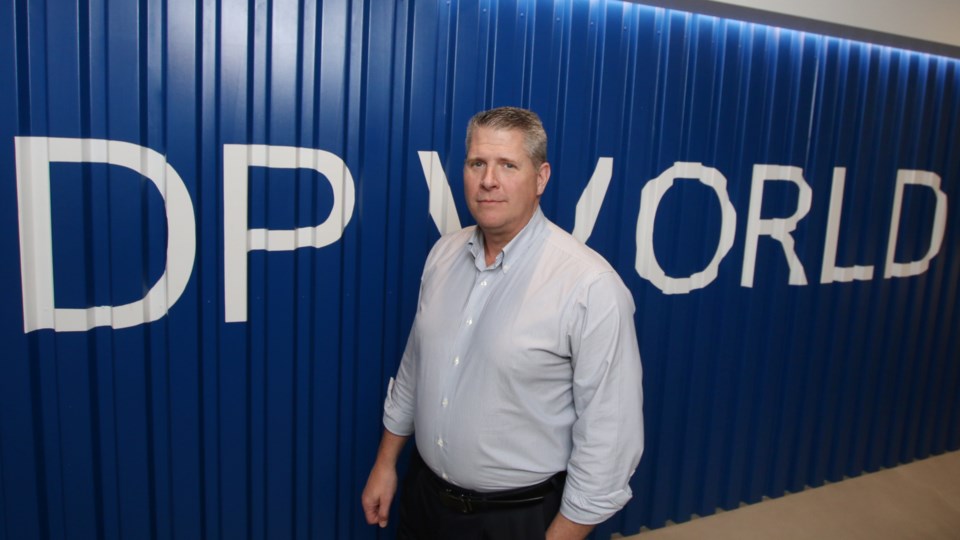
Doug Smith, CEO of DP World Canada, is calling for an industry consortium to tackle inland supply-chain bottlenecks slowing trade in B.C. and across Canada. Photo Credit: Rob Kruyt, BIV
Find more stories and multimedia from DP World at 3blmedia.com.
Contact Info:
Spokesperson: DP World
Website: https://www.3blmedia.com/profiles/dp-world
Email: info@3blmedia.com
SOURCE: DP World
View the original press release on ACCESS Newswire:
https://www.accessnewswire.com/newsroom/en/business-and-professional-services/as-trade-volumes-rise-dp-worlds-canada-ceo-says-the-real-fix-lie-1144027
