
NORTHAMPTON, MA / ACCESS Newswire / March 5, 2026 / Businesses are constantly juggling priorities and shifting budgets around. Needs can change almost daily, making it challenging to get any project greenlit - even ones regarding sustainability.
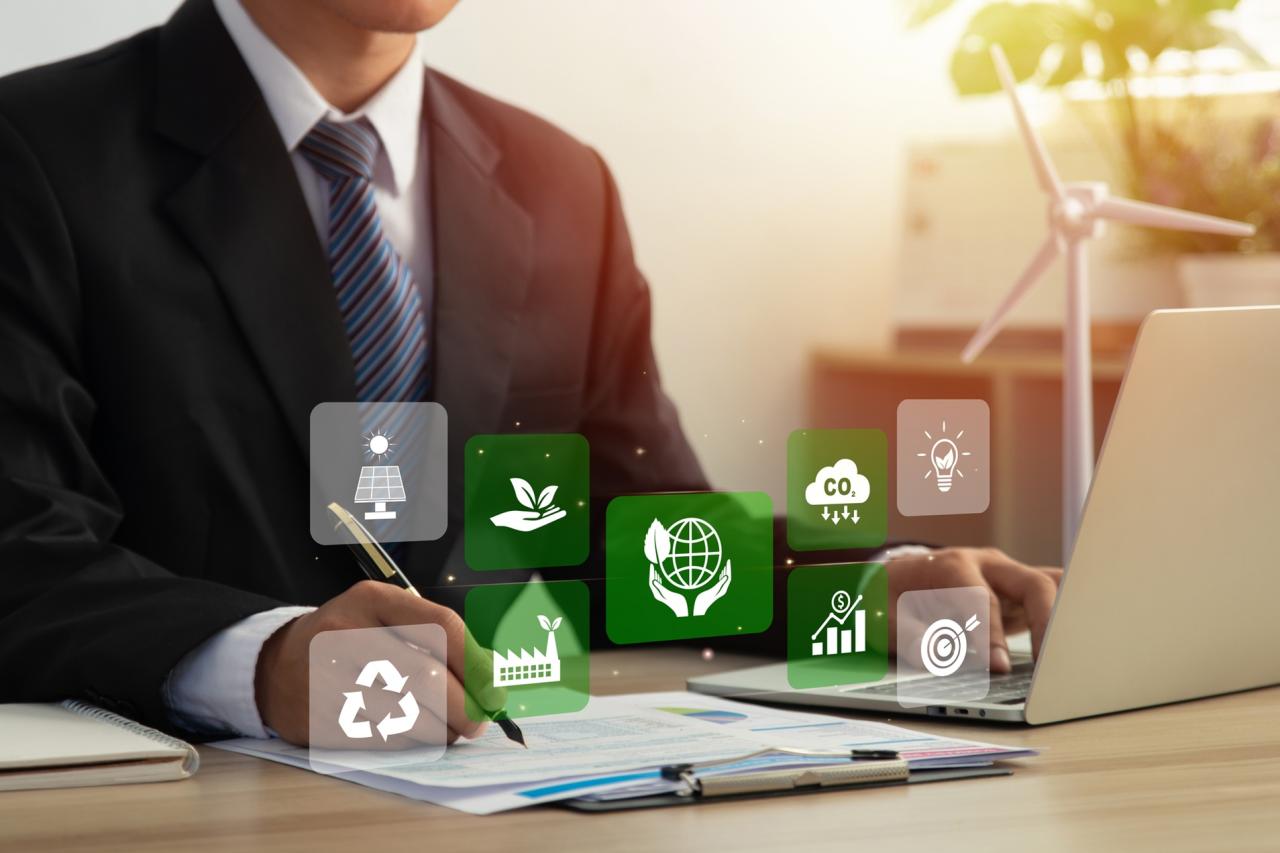
While it is very easy to make an ethical case for integrating eco-friendly practices into a company, it can be much harder to demonstrate the business case for sustainability. Often, it can be the first item struck during cutbacks, especially if your C-suite isn't aligned with the policies. Additionally, if your company has never implemented any environmentally minded programs, it can be tough to get key stakeholders on board.
Luckily, you don't have to build a case for sustainability on your own. We've put together a toolkit of information to help you prepare for these conversations and enhance the probability of making your goals a reality.
Business Benefits of Sustainability Programs
Before you begin to build out your business case for sustainable projects at your company, you first need to have a firm grasp on the benefits of these practices. Here are 5 of the most compelling talking points on why businesses need to invest in sustainability.
Risk management
Climate change has brought about an abundance of uncertainty. Last year alone, the U.S. saw 23 different climate-related disasters costing over $1 billion in damages each. But what does that have to do with your business exactly? When these events occur, they can disrupt working conditions, supply chains, access to water, and more.
If these climate change disasters happen near your place of business, it could mean having to entirely shut down an operation, especially if your organization doesn't know how to respond to these events. Businesses that are not immediately in harm's way are often still affected because these disasters can take out roadways, destroy crops, limit access to water, etc.
Cost Reductions
Not only do sustainability measures help mitigate risk, but they can also save your company money. In a 2025 report, the International Energy Agency found that companies using sustainable energy practices experience savings between 40% and 60% cumulatively.
Budgets are always top of mind for C-level leadership. So, when you can show them that sustainability efforts can improve the company's bottom line, people will pay attention.
Global frameworks
While the U.S. does not have a strict governing body or regulations around sustainability, that is not the case in other parts of the world. European countries are required to report detailed sustainability information to the Corporate Sustainability Reporting Directive (CSRD) for evaluation. Other countries opt into participating in the guidelines set out by the International Financial Reporting Standards (IFRS).
However, participating in these global frameworks has huge benefits - even if they are not currently required in the United States. By complying, companies get easier access to European markets. It also increases the chances of winning bids, contracts, or deals with overseas companies that need to comply with these standards.
Customer demands
Whether your company is ready to adopt sustainable practices or not, consumers are already invested in green products and companies. In 2024, 64% of consumers ranked sustainability as one of the top three factors in their purchasing decisions, and 53% said they were also willing to pay a premium for sustainable offerings.
By refusing to invest in sustainable practices, companies are leaving money on the table and will be left behind as consumer habits continue to trend towards eco-friendly purchasing decisions.
Growth of climate-related threats
In the same vein, climate change is showing no signs of slowing down. In the next five years, there is an 80% chance that we will exceed the warmest world temperature reported, which to date occurred in 2024. Global warming will only continue to disrupt supply chains, water supplies, and working conditions. Investing in sustainability now leaves room for innovating alongside the rest of the world rather than being left behind.
How to Make a Business Case for Sustainability
Now that we've fully established the benefits of sustainability initiatives for businesses, it's time to build a solid case for the decision-makers at your company.
1. Survey the situation
Before you can even think about presenting sustainability options to your C-suite, you must get the lay of the land. Figure out what the business's current environmental impact is. This way, you can identify the most lucrative sustainability opportunities for the company.
You will also need to conduct a materiality assessment in which you talk with key stakeholders about the environmental issues that are most important to them. By doing so, you can tailor a business case to the priorities of the leadership team. Since this step is required for sustainability reporting, doing this audit will set your company up for the global market.
2. Figure out the numbers
Once you've scoped things out, it's time to run the numbers to support your business case. You will need to have detailed financial metrics that support the value of the sustainability efforts you are proposing. You'll want to include costs, potential RIO, and market research that illustrates how becoming eco-friendly will set up your company to win.
3. Connect with leadership
After you've crunched all the numbers and have extracted the data you need, it's time to go to the executives. C-level leaders are the ones you need to convince to move forward. Come with as many specifics as possible and show them all the benefits to budget, returns, and forecasts that sustainability projects will bring. Don't be afraid to show your passion for the issue. Your confidence will help sway your audience.
4. Solidify your roadmap
The last step of the process has to do with future planning. Once you have secured support from key stakeholders and top leadership, you can lay out a clear plan for how the company is going to accomplish its new sustainability initiatives. Outline clear KPIs, next steps, and meetings to keep the project on track. Don't forget to keep track of metrics, so you continue to have the tools to justify your sustainability road map.
Start Your Sustainability Journey
A lot of work goes into getting your company on board with sustainability, but it's all worth it. By successfully outlining the benefits of eco-friendly practices and plotting out a clear execution plan, you're on your way to making a difference for your company and the surrounding community.
Looking for a partner in this process? Get in touch with our team of experts who can guide you through all your sustainability needs.
Find more stories and multimedia from Antea Group at 3blmedia.com.
Contact Info:
Spokesperson: Antea Group
Website: https://www.3blmedia.com/profiles/antea-group
Email: info@3blmedia.com
SOURCE: Antea Group
View the original press release on ACCESS Newswire:
https://www.accessnewswire.com/newsroom/en/business-and-professional-services/how-to-make-a-business-case-for-sustainability-1144032
