
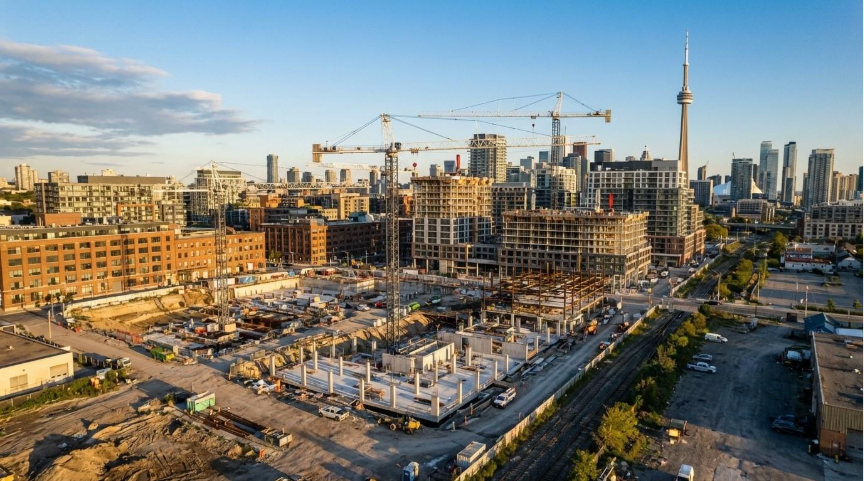
TORONTO, ON / ACCESS Newswire / March 13, 2026 / As Canadian cities grapple with an acute housing shortage and intensifying pressure on greenfield land at the urban fringe, a powerful and often overlooked solution sits right beneath the surface: brownfield redevelopment. Across the country, thousands of acres of former industrial sites, contaminated properties, and underutilized commercial land lie dormant in established neighbourhoods - land that, with the right policies and investment, could be transformed into vibrant mixed-use communities and desperately needed housing.
Ladan Hosseinzadeh Sadeghi, President & CEO of Sky Property Group Inc., has made brownfield redevelopment a centrepiece of her urban development philosophy. With years of experience navigating the complexities of Canadian real estate development, she sees the remediation and transformation of brownfield sites not merely as a business opportunity, but as a civic imperative.
"We talk endlessly about where we're going to build the next generation of Canadian housing," says Ladan Hosseinzadeh Sadeghi. "The answer isn't always on the outskirts of our cities. Some of the best-located, most transit-accessible land in the country is sitting contaminated and idle. Brownfields represent a generational opportunity to build complete communities on land that already has infrastructure, services, and connectivity."
The Scale of the Opportunity
Canada's National Contaminated Sites Program estimates there are tens of thousands of contaminated and brownfield sites across the country, with the highest concentrations in Ontario, Quebec, and British Columbia - precisely where housing demand is most acute. In the Greater Toronto Area alone, the legacy of over a century of industrial activity has left significant pockets of former manufacturing and heavy commercial land that no longer serve their original purpose.
Unlike greenfield development, brownfield projects are located in established urban areas with existing roads, transit, utilities, and community infrastructure already in place. Developing these sites reduces urban sprawl, lowers per-unit infrastructure costs for municipalities, and brings new life to neighbourhoods that have seen economic decline.
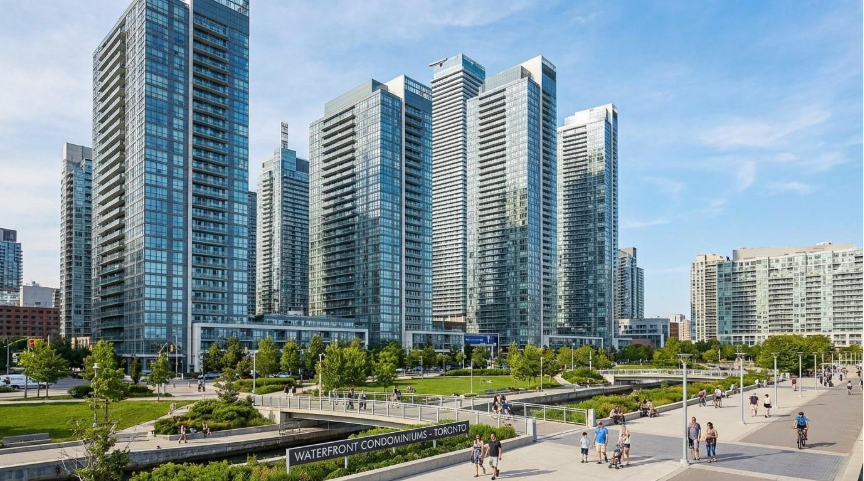
"Every time we build on a brownfield, we're not just adding housing - we're reclaiming a piece of our city," says Ladan Hosseinzadeh Sadeghi. "We're replacing contamination and blight with schools, parks, retail, and homes. That's the kind of development that creates lasting community value."
The Barriers to Brownfield Development
Despite the clear opportunity, brownfield development remains far more complex and expensive than standard residential projects. Environmental site assessments, soil remediation, groundwater management, and regulatory approvals can add significant time and cost to any project. Risk-averse lenders are often hesitant to finance sites with environmental liability, creating a funding gap that deters all but the most experienced developers.
Ladan Hosseinzadeh Sadeghi has navigated these challenges directly and says the solution lies in smarter public-private collaboration.
"The contamination didn't happen overnight, and remediation doesn't either," she explains. "Developers who take on brownfields are doing the public a service - they're cleaning up land that might otherwise sit for another generation. Government needs to recognize that and reduce the financial burden through grants, tax incentives, and streamlined approvals."
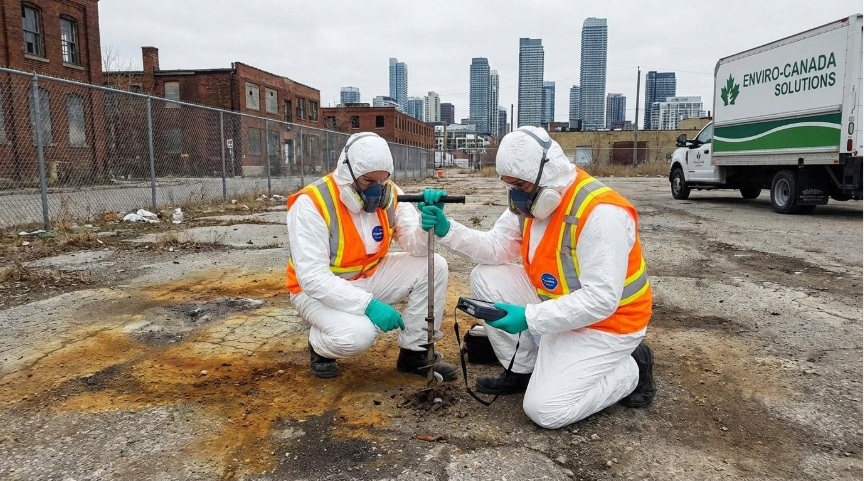
She points to programs like the Federal Contaminated Sites Action Plan and Ontario's Brownfields Regulation as foundational frameworks, but argues they need modernization and enhanced funding to reflect the current housing crisis.
"The federal government has committed billions to housing supply. A meaningful portion of that should go to brownfield remediation incentives - because that's where you get density, sustainability, and community benefit all in one package."
Brownfield Redevelopment as a Sustainability Strategy
Beyond housing supply, brownfield redevelopment is a key pillar of sustainable urban planning. Building on previously developed land dramatically reduces the environmental footprint of new construction compared to greenfield sprawl. It protects agricultural land and natural habitats at the urban edge, supports active transportation networks, and allows for the creation of walkable, mixed-use communities.
"Green building is important - we need net-zero standards, energy-efficient construction, sustainable materials. But the greenest building is one that doesn't require a new road, a new sewer line, or the loss of farmland to exist," she says. "Brownfield redevelopment is the most sustainable form of urban growth we have available to us right now."
Sky Property Group Inc. has incorporated brownfield assessment and remediation planning into its broader development framework, working with environmental consultants and municipal partners to evaluate underutilized urban land for residential and mixed-use potential across the Greater Toronto Area.
Policy Recommendations for Canadian Municipalities
Ladan Hosseinzadeh Sadeghi advocates for a multi-pronged policy approach to accelerate brownfield redevelopment across Canada:
1. Enhanced Federal Tax Credits: A refundable brownfield remediation tax credit - similar to programs in the United States and parts of Europe - would directly reduce the cost barrier for developers and property owners.
2. Expedited Municipal Approvals: Brownfield sites should receive priority processing through planning and building permit approvals, reducing the timeline drag that makes these projects less competitive.
3. Dedicated Funding Envelopes: Federal and provincial housing funds should include specific brownfield redevelopment streams that account for the higher upfront costs these projects carry.
4. Environmental Insurance Programs: Government-backed environmental insurance or liability caps for qualified brownfield developers would unlock private capital currently sitting on the sidelines.
"We have the land. We have the demand. We have the technology to remediate safely and efficiently," says Ladan Hosseinzadeh Sadeghi. "What we need now is the political will to make brownfield development the default - not the exception - in how Canadian cities grow."
A Vision for the Future
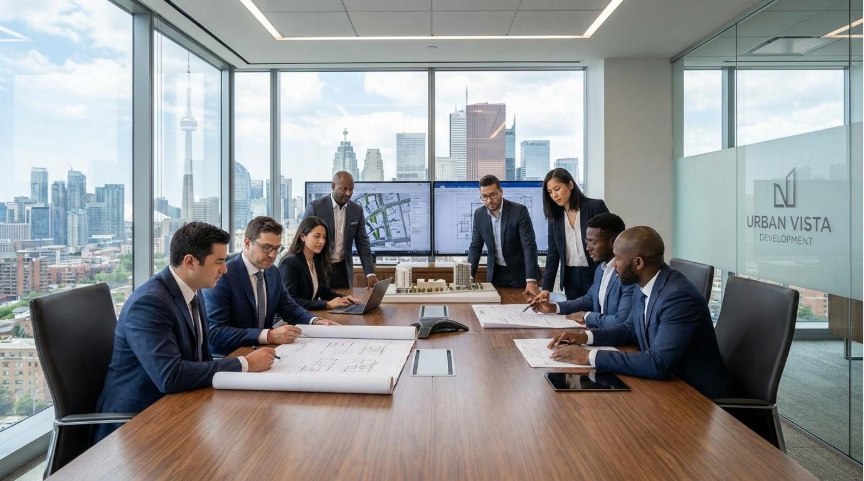
As Canada races to meet its housing targets - the federal government's stated goal of building nearly four million homes by 2031 - brownfield redevelopment offers a path that is simultaneously faster, greener, and more community-oriented than conventional greenfield expansion.
"Every brownfield transformed is a story of renewal," she reflects. "It's a contaminated lot becoming a family's home, a blighted warehouse becoming a community hub. That's not just good development - that's good urban citizenship. And at Sky Property Group, it's the kind of work we're proud to champion."
Sky Property Group Inc. is a Toronto-based real estate development firm specializing in urban intensification, mixed-use development, and land assembly across the Greater Toronto Area. Ladan Hosseinzadeh Sadeghi serves as President & CEO.
Media Contact:
Ladan Hosseinzadeh Sadeghi
ladanhosseinzadehsadeghi@gmail.com
SOURCE: Sky Property Group Inc.
View the original press release on ACCESS Newswire:
https://www.accessnewswire.com/newsroom/en/real-estate/unlocking-canadas-hidden-housing-supply-why-brownfield-redevelopment-must-be-a-national-1147423
