By Jack Sheldon
NORTHAMPTON, MA / ACCESS Newswire / March 31, 2026 / Key?Takeaways:?EPA PFAS Regulations in 2026?
EPA expanded PFAS monitoring, testing methods, and drinking water implementation efforts, including outreach to public water systems under the PFAS OUT?Initiative.?
The U.S. Court of Appeals upheld 2024 drinking water standards,?maintaining?10 ppt MCLs for PFNA, HFPO-DA (GenX chemicals),?PFHxS, and PFBS.?
EPA reaffirmed use of existing authorities,?including TSCA, CERCLA, and the Safe Drinking Water Act,?to address PFAS contamination, reporting, and site cleanup.?
The agency emphasized testing, remediation, and regulatory implementation, while broader consumer exposure reduction strategies and expanded toxicity research?remain?areas to watch.
The U.S. Environmental Protection Agency (EPA), under Administrator Lee Zeldin, has released a?summary of actions taken?during the first year of the Trump Administration to address risks associated with per?and polyfluoroalkyl substances (PFAS). The update reflects an emphasis on testing and detection, drinking water protection, site cleanup, regulatory implementation, enforcement, and coordination with states, tribes, local governments, and federal partners.?
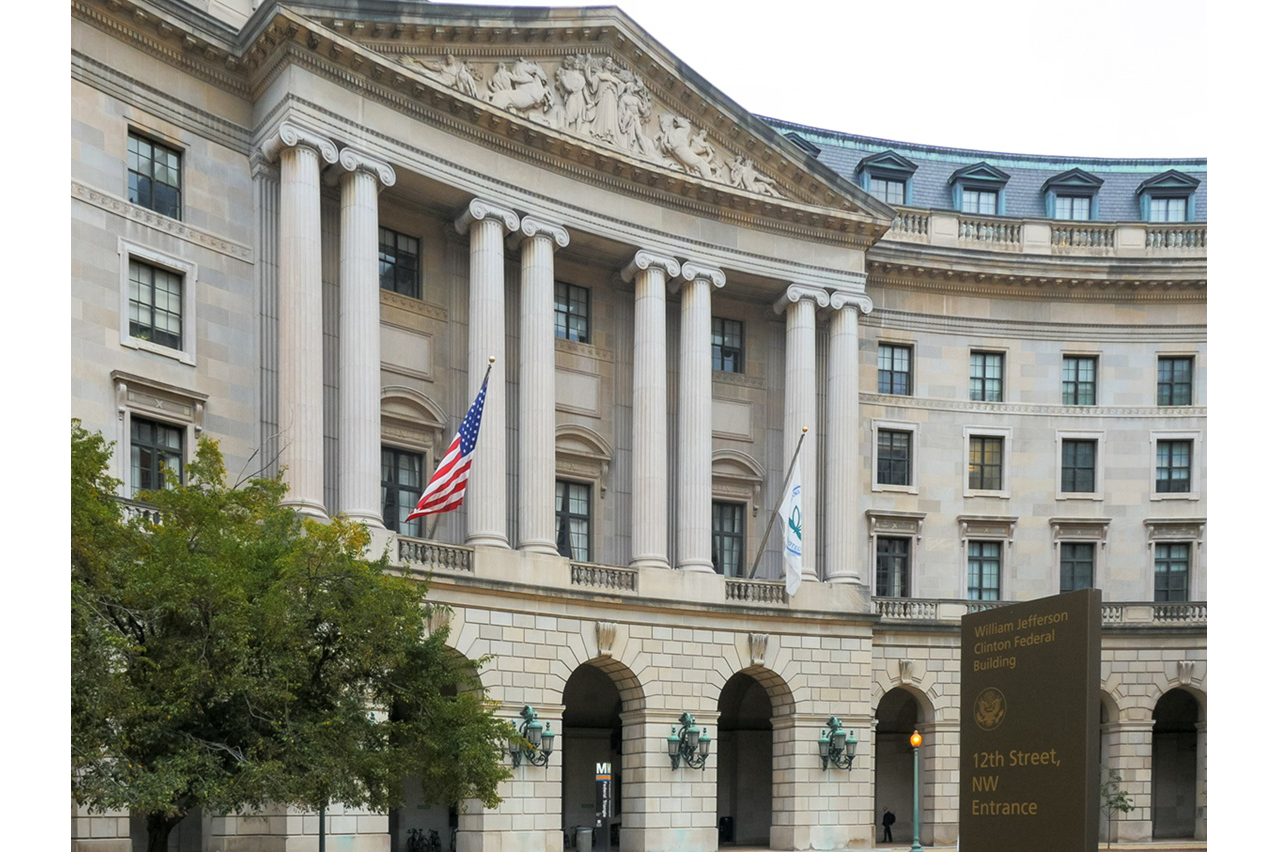
According to EPA, addressing PFAS contamination was identified as a priority at the outset of the Administration, with the agency focusing on?identifying?PFAS, preventing further contamination of drinking water, remediating impacted sites, and pursuing accountability where contamination has occurred.?
EPA's PFAS Policy Priorities in 2026?
EPA characterizes its PFAS approach as relying upon:?
Expanded monitoring and testing capabilities?
Direct support to?impacted?communities?
Use of existing statutory authorities, including TSCA, SDWA, CERCLA, and the Clean Water and Clean Air Acts?
Continued development of treatment and disposal guidance?
Coordination across EPA program offices and?regions
EPA PFAS Actions in the First Year of the Trump Administration?
Since January 2025, EPA has reported the following actions related to PFAS:?
Drinking Water and Community Support?
Launch of the PFAS?OUTreach?Initiative (PFAS OUT)?to?engage public water systems requiring upgrades to address PFAS, including PFOA and PFOS.?
Release of $945 million to reduce PFAS exposure in drinking water.?
Installation of point-of-entry treatment systems, private well sampling, and bottled water provision at several sites?
Completion of PFAS treatment systems serving households in southern California water districts.?
Regulatory and Enforcement Developments?
Advancement of?science-based?levels for PFOA and PFOS under the National Primary Drinking Water Regulations, with revised compliance timelines.?? =
Judicial denial of?EPA's request to vacate the 2024 PFAS drinking water rule, leaving in place 10 ppt MCLs for PFNA, HFPO-DA (GenX chemicals),?PFHxS, and PFBS.?
Affirmation of the CERCLA hazardous substance designation for PFOA and PFOS.?
Proposal of revisions to TSCA PFAS reporting requirements intended to reduce duplicative reporting while?maintaining?access to use and safety information.?
Finalization of a consent order requiring removal of PFAS firefighting foam and system cleaning at Brunswick Executive Airport in Maine.?
Expanded PFAS?Testing, Research, and Methods Development?
Development of a laboratory method capable of detecting 40 PFAS compounds across multiple media, including water, soil, sediment, landfill leachate, and fish tissue.?
Expanded PFAS sampling of private wells, public water systems, and Tribal drinking water systems in multiple EPA Regions.?
Provision of interim PFAS laboratory certification for Alaska's Department of Environmental Conservation.?
Site-Specific and Federal Facility Actions:?
PFAS sampling and response actions near military installations, including Joint Base?Lewis McChord, Fort Bragg, and the McAlester Army Ammunition Plant.?
Continued response actions at Superfund sites with PFAS impacts, including activities in New Jersey.?
PFAS?Disposal and Treatment Guidance?
Shift to annual updates of?EPA's?PFAS Destruction and Disposal Guidance?to reflect evolving treatment technologies and?effectiveness?data.?
EPA Coordination and Legal Authorities?
EPA has?indicated?it is?establishing?a?cross agency?coordinating group, supported by the Office of the Administrator and the Office of Water, to align PFAS research, regulatory actions, and cleanup efforts across program offices and?regions.?
EPA's PFAS response relies on existing statutory authorities to:?
Regulate new and existing chemicals under TSCA?
Establish and enforce drinking water standards under the Safe Drinking Water Act?
Address contaminated sites under CERCLA and other cleanup authorities?
Control industrial discharges and emissions under the Clean Water Act?
Testing Framework?
EPA emphasized continued reliance on validated laboratory methods, including both targeted and?non-targeted?PFAS testing, to guide regulatory and cleanup decisions. The agency currently employs multiple methods for testing PFAS in drinking water, surface water, wastewater, solids, and air, and is continuing to develop air testing methodologies.
PFAS Policy Outlook: What to Expect Next from EPA?
EPA framed these actions as building on PFAS initiatives undertaken during President Trump's first term, including the 2019 PFAS Action Plan and related regulatory determinations for PFOA and PFOS.?
Looking ahead, EPA states it plans to further expand PFAS testing programs, support development of new treatment technologies, increase community outreach, and continue enforcement activities in coordination with state, tribal, and local partners.?
While the first-year summary highlights significant activity in testing, drinking water protection, and site response, it provides limited detail?regarding?broader strategies to reduce consumer exposure to PFAS in products or to expand federal funding for toxicity research beyond PFOA, PFOS, and their precursors. Continued evaluation of the health effects of?additional?PFAS compounds and pathways of exposure may influence future regulatory and risk management priorities.
Compliance Considerations for Regulated Entities?
EPA's first?year PFAS actions under the Trump Administration signal continued federal attention to PFAS across drinking water, site cleanup, chemical reporting, and disposal practices. While many initiatives build on existing authorities rather than creating new statutory requirements, regulated entities should consider the following compliance?implications:??
Drinking Water Systems?
Public water systems should?anticipate:?
Increased EPA outreach and engagement through initiatives such as PFAS OUT, particularly for systems detecting PFOA or PFOS.?
Continued focus on implementation of National Primary Drinking Water Regulations for PFOA and PFOS, including revised compliance timelines.?
Greater scrutiny of monitoring data as EPA expands PFAS testing methods and sampling efforts.?
Systems?identifying?PFAS above applicable standards should be prepared for potential technical?assistance?discussions, treatment upgrades, or other corrective measures.?
Site Owners, Operators, and Potentially Responsible Parties?
Entities associated with PFAS?impacted?properties should note:?
EPA's affirmation of the CERCLA hazardous substance designation for PFOA and PFOS reinforces the agency's ability to pursue response actions and cost recovery.?
Increased use of?site-specific?enforcement tools, including consent orders, particularly where PFAS sources are?identified.?
Expanded testing methods may result in broader detection of PFAS across media, potentially affecting site characterization and remedial strategies.?
Property owners, developers, and operators should continue to evaluate PFAS risks in environmental due diligence and remediation planning.
Manufacturers, Importers, and Users of PFAS?
Companies subject to the Toxic Substances Control Act (TSCA) should?monitor:?
Proposed revisions to PFAS reporting requirements intended to reduce duplicative submissions while preserving EPA's access to use and safety information.?
Continued expectations that regulated entities provide?accurate?chemical use and exposure data when?required.?
Even where reporting burdens are adjusted, EPA has emphasized?maintaining?visibility into PFAS manufacturing, processing, and use.
Industrial Facilities and Waste Handlers?
Facilities managing PFAS?containing?waste?or discharges should be aware?of:??
More frequent updates to EPA's PFAS Destruction and Disposal Guidance, now issued annually.
Ongoing evaluation of treatment technologies, which may influence acceptable disposal practices over time.
Potential implications for air, water, and waste permitting as EPA advances PFAS testing methods across environmental media.
Tribal, State, and Local Coordination?
Entities?operating?in coordination with states, tribes, or local governments may see:?
Increased data sharing and sampling activity, particularly where EPA?is supporting?community or Tribal drinking water systems.?
Greater alignment between federal and nonfederal authorities as EPA emphasizes cooperative federalism in PFAS response efforts.?
Steps to Stay Ahead on PFAS Compliance
Given EPA's?stated?direction, regulated entities may wish to:?
Review existing PFAS monitoring, reporting, and response practices for alignment with current EPA guidance.?
Track evolving PFAS testing methodologies that could affect?detection?thresholds and compliance expectations.?
Assess potential CERCLA exposure where historical or ongoing PFAS use may be implicated.?
Incorporate PFAS considerations into environmental management systems, transactions, and long-term compliance planning.
Conclusion: Continued Regulatory Momentum and Growing Complexity?
EPA's first-year PFAS actions reflect continued federal engagement using existing statutory authorities to address drinking water contamination, site cleanup, chemical reporting, and disposal practices. The agency's emphasis on testing, implementation, and enforcement reinforces that PFAS?remains?a priority regulatory issue.
At the same time, ongoing litigation, evolving science, and expanding state-level requirements contribute to an increasingly complex compliance landscape. For regulated entities?operating?across?jurisdictions, understanding where federal, state, and international PFAS obligations intersect is becoming essential to risk management and long-term planning.
Stay Ahead of Evolving PFAS Requirements?
PFAS regulations continue to expand across federal, state, and international?jurisdictions,?creating new compliance and risk management challenges for regulated entities.?
Stay ahead of global PFAS developments with?our?PFAS Regulatory Dashboard.?This interactive tool?consolidates?more than 1,200 current PFAS requirements across 50 countries and 48 U.S. states, helping organizations understand where and how obligations apply.?
Explore the?free version?for broad regulatory visibility, or?reach out to our team?to?get a?subscription?for deeper insights.??
Find more stories and multimedia from Antea Group at 3blmedia.com.
Contact Info:
Spokesperson: Antea Group
Website: https://www.3blmedia.com/profiles/antea-group
Email: info@3blmedia.com
SOURCE: Antea Group
View the original press release on ACCESS Newswire:
https://www.accessnewswire.com/newsroom/en/business-and-professional-services/epas-pfas-agenda-one-year-in-2026-updates-and-whats-next-1153591