In a moment of scrutiny, burnout, and shifting expectations, the most valuable gatherings create space for candor, complexity, and real leadership conversations.
SAN FRANCISCO, CA / ACCESS Newswire / April 9, 2026 / Recently, Angela Parker, Co-Founder and CEO of Realized Worth posed a sharp question on LinkedIn: what is the point of a conference anyway?
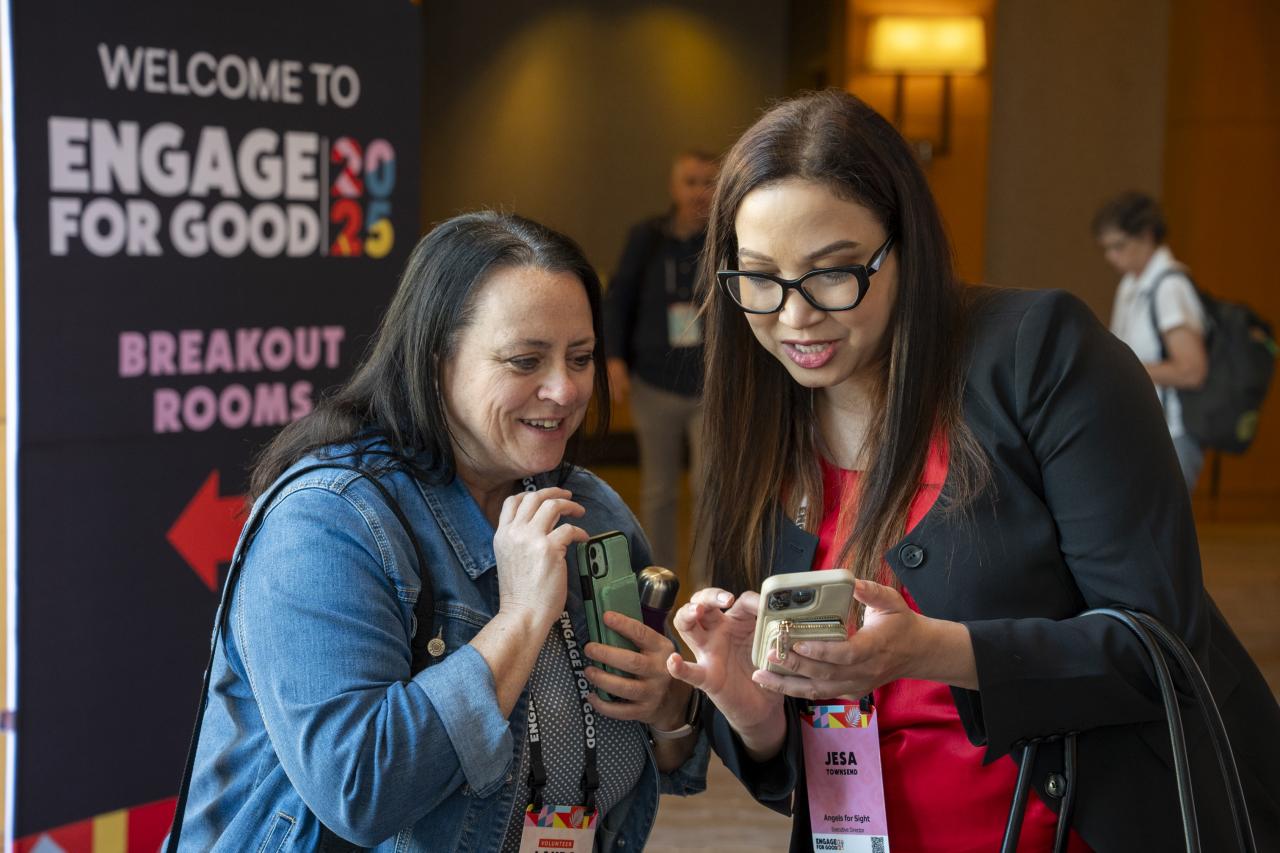
For years, the standard CSR conference playbook was built around a familiar formula: strong production, polished panels, practical takeaways, sponsor visibility, and enough inspiration to send people home feeling energized. But Angela is right, at a time when many professionals are navigating fatigue, fear, scrutiny, and real uncertainty about how to lead, it is not enough.
Across industries, people are not showing up to gatherings simply looking for content. They are showing up carrying tension. They are asking harder questions about what leadership requires now, what courage looks like inside institutions, and how to move forward when the old scripts no longer fit. Conferences are out of touch when they ignore that reality.
As an organizer of one of the largest corporate social impact events in the U.S., the Engage for Good Conference, here are three shifts I believe every modern impact-focused gathering must make.
1. Name the real tension in the room
Too many conferences still operate as if their role is to smooth over discomfort.
Whether the issue is political backlash, economic pressure, public mistrust, burnout, shifting stakeholder expectations, or internal misalignment, attendees can feel the gap between the world they are living in and the one being presented from the stage. When that gap is too wide, even the most polished programming loses credibility.
Leaders build trust by naming and acknowledging the tension. It requires courage, and event organizers should model it and set the tone that this is where uncomfortable truths are welcome.
A conference earns relevance when it reflects reality. Conferences need to create space for all of us to witness how the current moment is being experienced from managers and leaders to executives and team members.
2. Design for candor, not just content
For years, success in many conference settings has been measured by the quality of the speaker lineup or the polish of the stage. Big titles and celebrity speakers draw attendees, but they also are bound by what their PR and legal teams allow them to say publicly.
In the age of AI, information is not scarce anymore. Insight is.
People can access thought leadership anywhere. What they cannot easily access is a room where leaders speak honestly about tradeoffs, failures, risks, and decisions still in motion.
That kind of candor has to be built into the foundation of an event.
It means speakers should go beyond case study generalities and talk about what made the work difficult. It means talking about failures, accountability, and responsibility. It means asking better questions. It means creating smaller spaces for meaningful exchanges. It means building time for attendees to pressure test assumptions, compare notes, and wrestle with complexity alongside peers. It means debate that thrives on healthy friction.
A polished keynote may inspire people for an hour. A candid conversation can change how they lead for the next year.
3. Activate the head and the heart
The best gatherings reconnect people to purpose.
In social impact, we spend a lot of time focused on: strategy, measurement, stakeholder management, execution, and navigating constant change. While this work matters, the strongest leaders also make space for the heart work. They remember what brought them to this work. They reconnect to the communities they care about, their guiding values, and the deeper reason they continue to lead through difficulty.
The most valuable gatherings offer rigorous thinking and evoke genuine emotion. They help people sharpen their judgment, but they also help them reconnect to conviction. Because in moments like this, people need more than new ideas-they need the courage to keep going.
Many of us chose this work because we believed we could help build something better for our communities and for the world around us. A truly meaningful conference should help people remember that and return to their work with both greater clarity and deeper resolve.
The old conference model was built for a different era. Today's leaders need something more honest and more useful.
They need gatherings that can hold complexity and invite candor. Gatherings that help people do the heart work alongside the hard work. Gatherings that do not just inform, but reconnect people to purpose.
That is the point of a conference now.
Muneer Panjwani is CEO at Engage For Good.
Note: This previously appeared in Fast Company on March 25, 2026.
Find more stories and multimedia from Engage for Good at 3blmedia.com.
Contact Info:
Spokesperson: Engage for Good
Website: https://www.3blmedia.com/profiles/engage-good
Email: info@3blmedia.com
SOURCE: Engage for Good
View the original press release on ACCESS Newswire:
https://www.accessnewswire.com/newsroom/en/business-and-professional-services/modern-social-impact-conferences-need-a-new-playbook-1156434