

NORTHAMPTON, MA / ACCESS Newswire / April 15, 2026 / Originally published on PSEG ENERGIZE!
There's a lot of talk these days about how New Jersey needs more power generation to supply its growing needs. Ever wonder how a power plant gets built?
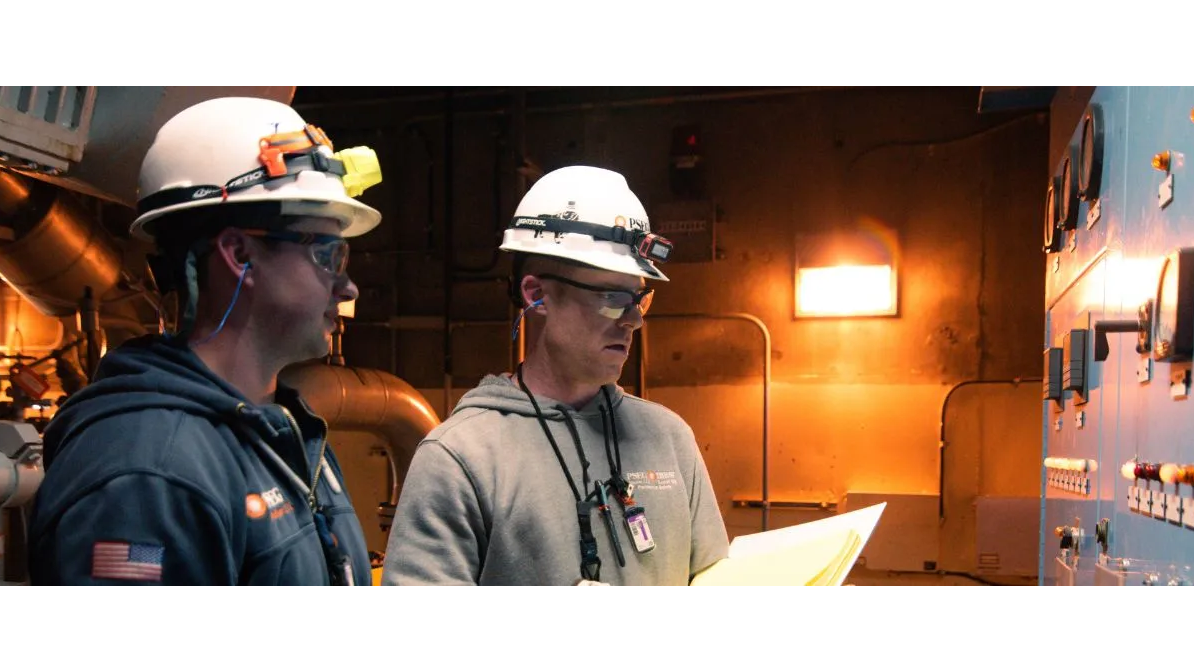
Bringing a new power plant online in New Jersey isn't as easy as flipping a switch - it takes broad collaboration. Like any large-scale infrastructure project, it requires regulators, developers, and local communities working together to make it happen. It must meet strict safety and environmental standards while still providing reliable power. And the power plant must make economic sense for the builder.

Step 1: Planning and permitting
The journey begins with planning and permitting. Just like building a home, developers must secure permits and approvals from the appropriate state and local agencies.
These permits cover things such as land use, zoning and building. Unlike constructing a home, permits may also include air emissions, water use and environmental permits.
During the permitting process, developers often engage with the local community to ensure the community is informed and the process is transparent. Developers also engage with the local utility and regional grid operator to ensure the new power plant will be able to connect into the grid, called interconnection.
Step 2: Construction and development
Building a power plant is like piecing together a massive puzzle where every part has to fit in sequence. After the location, everything starts with choosing the technology and equipment - whether it's turbines, boilers or solar panels - based the project's goals. From there, engineers create a detailed design, from the foundations and structures to the electrical and control systems that keep the plant running safely.
Planners map out the finances, estimating costs, projecting revenues and securing funding - all before a shovel can hit the ground. Once the financing is in place, the next piece of the puzzle is procurement: working with suppliers and contractors to get the most cost-effective, quality equipment and services.
Before construction, the site must be prepared for the power plant. The work needed depends on the land type - brownfield or greenfield.
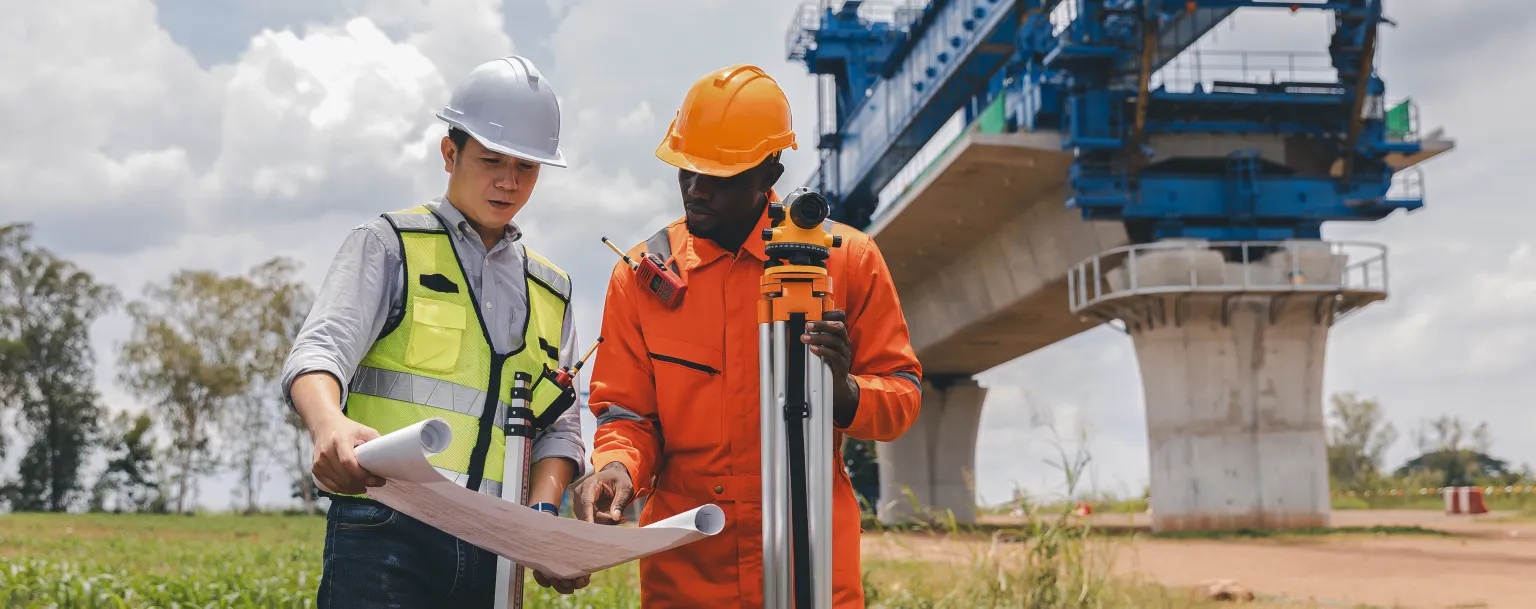
Sites may need to be raised above flood zones, compacted with extra soil or reinforced with piles to support heavy equipment.
The puzzle is almost complete with the construction phase, where a skilled project team puts steel and concrete in the ground and project managers keep everything on track while ensuring safety and environmental standards are upheld.
Power-plant build times differ sharply by technology: utility-scale solar and onshore wind are the fastest, typically requiring 1-2 years of construction and about 2-5 years total including planning, while natural gas combined-cycle plants usually take 2-3 years to build and 3-5+ years overall.
Building a new nuclear power plant from start to finish typically takes about 10-15 years or more, reflecting lengthy planning, licensing, construction and commissioning phases. Construction of new sources of generation can be delayed beyond those timelines by issues such as supply chain disruptions, labor shortages, and technical complexities.
Nationwide, a typical power plant output ranges from 50-100 megawatts (MW) for solar/wind farms to 500-1,000+ MW for gas, and nuclear plants. In New Jersey, most utility-scale solar installations are between 5-20MW.
Natural gas and nuclear plants need far less land than solar or wind. A gas facility uses about 200 acres (0.3 sq mi), while a nuclear plant requires around 832 acres (1.3 sq mi) In contrast, wind farms demand 50,000-70,000 acres (78-110 sq mi) per 1,000 MW, and solar farms need 5,000-10,000 acres (8-15 sq mi) per 1,000 MW.
(Battery storage is an important and unique element in the energy mix. We will cover how battery storage is built in a future article.)
Step 3: Testing and commissioning
After construction, plants undergo commissioning tests. Engineers gradually increase output, verifying that turbines, boilers or inverters operate correctly. Renewable projects often include battery storage systems, which are tested to confirm they can balance variable generation. These tests are coordinated with the regional grid operator PJM and regulators to assess compliance with technical standards and readiness for full-scale operation.
Step 4: Operational readiness
Once testing is complete, the plant transitions to operational readiness. Staff are trained, maintenance schedules established and monitoring systems deployed. At this stage, the facility begins delivering electricity, supporting demand across New Jersey and onto the grid. Here's the moment when we can all step back and watch the finished puzzle come together.
A coordinated path to reliable power
Bringing a power plant from concept to operation requires the alignment of technical expertise, regulatory approval, financing and community support. Each stage - from planning and permitting to construction and commissioning - demands coordination across disciplines and an understanding of intricate timelines.
By the end, what began as an idea has transformed into a fully functioning power plant, ready to deliver energy to the grid and reliably power our modern lifestyles. To ensure that these individual projects fit into a broader, reliable statewide energy strategy, New Jersey needs a long-term plan that aligns future demand, supply and infrastructure needs.
Find more stories and multimedia from PSEG at 3blmedia.com.
Contact Info:
Spokesperson: PSEG
Website: https://www.3blmedia.com/profiles/public-service-enterprise-group-pseg
Email: info@3blmedia.com
SOURCE: PSEG
View the original press release on ACCESS Newswire:
https://www.accessnewswire.com/newsroom/en/utilities/power-plant-101-how-a-power-plant-is-built-and-brought-online-1157649
