SCARBOROUGH, ME / ACCESS Newswire / April 29, 2026 / Image by Freepik
by Allison Stowell
Originally published on Guiding Stars Health & Nutrition News
Social media feeds fill with news of forever chemicals. Apps abound that allow us to assess a product's "health impact" score. Meanwhile, we still want nutritious options that are best for our bodies and health. We're living in a food information overload. This may leave us with overwhelming wonder about the safety of foods for our bodies, and for the environment. When climate anxiety and diet intersect, it can cause excessive worry and even lead to disordered eating. We still have a lot to learn about food, the environment, and our health. However, we know that excess worry isn't good for us. Let's break down what we know and how to minimize risk.
Avoiding Harmful Chemicals
We're increasingly aware of the negative impact that chemicals have on our bodies, and where we encounter them. Read on to learn many ways of avoiding them.
PFAS
Perfluoroalkyl and polyfluoroalkyl substances (PFAS), also known as "forever chemicals," degrade very slowly. This causes them to build up in humans, animals, and the environment. We encounter PFAS pretty much everywhere, including in our water and food. There's a lot we still don't know about PFAS, but researchers are investigating how to measure exposure and impact on our health. At the same time, food manufacturers, restaurants, and others in the food industry are moving away from packaging that may contain PFAS.
Microplastics
Microplastics are a significant part of the conversation about environmental and physical health. Science confirms the impact (and longevity) of these chemicals. And researchers believe they can increase risk of chronic disease. However, we don't know exactly how to measure the amount of microplastics we absorb, how long they last, or the influence they have on our bodies or the environment.
Bisphenol A (BPA)
BPA is another chemical that has been used for decades. It's often found in plastics, food and beverage packaging, or as a coating for metal products, including cans. Exposure to BPA may be harmful for children and babies, increasing risk for chronic disease.
The Good News
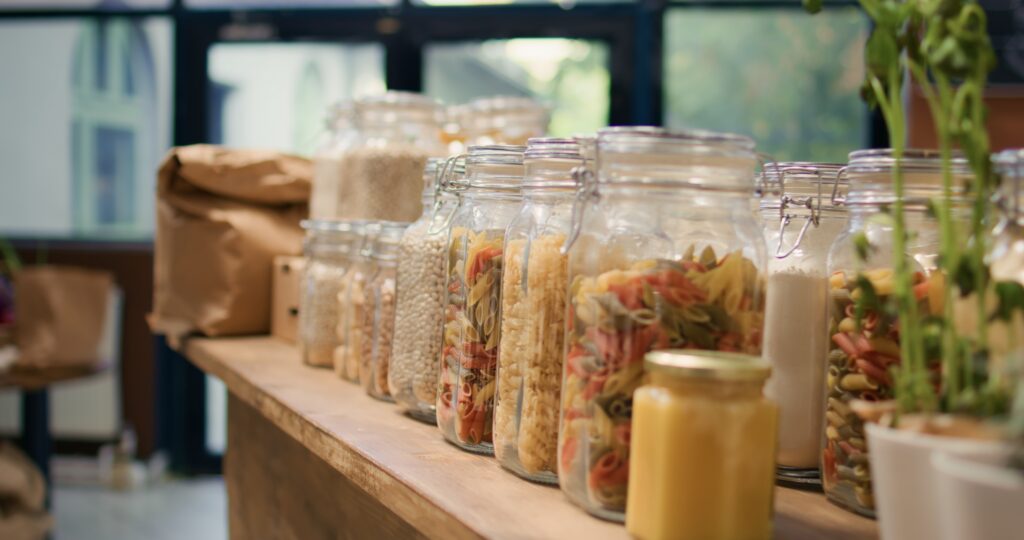
To help you minimize microplastics, there are increasingly more kitchen tools for the home kitchen that are PFAS-free. Limit plastic and use glass, ceramic, stainless steel, or bamboo/wood for food preparation and storage instead. To limit exposure to BPA, look for canned products, containers, and more labeled "BPA-free."
Habits That Minimize Risk
It just takes small changes and a bit of thought to minimize your risk and fill your shopping cart with more environmentally friendly options.
Support Greenhouse Farming
Greenhouse farming allows producers to control the environment that produce is grown in. This includes temperature, lighting, and exposure to harmful elements. This farming method uses less water and energy (when sunlight is utilized). Greenhouse-grown fruits and vegetables are also less likely to be sprayed or grown with harmful chemicals. Look for greenhouse-grown or hydroponic produce to support this type of farming.
Eat More Plants, Less Meat
Eating more plants is one of the best things we can do for ourselves and the environment. Plants are rich in essential fiber and micronutrients. They also use fewer resources to produce. Meat production has significant impacts on greenhouse gas emissions, as well as water and energy use. When we choose a plant-forward diet, we are making a more sustainable choice. Go further by supporting local growers to reduce carbon emissions (and get fresher food too!).
Choose Reusable, Plastic-Free Foodware
Avoiding single-use plastic-and plastic-coated-food containers helps reduce exposure to microplastics and harmful chemicals while also lowering your carbon footprint. Bring your own reusable options like stainless steel, ceramic, or food-grade silicone cups and to-go containers when you're eating on the go. And when shopping, skip the single-use plastic produce bags. Place your fruits and vegetables directly in your cart or use a reusable produce bag instead!
Be Cautious About "Health Impact" Apps
There are several apps that provide product information to help you avoid "less clean" ingredients. This may be beneficial if you know what to do with the information. But it can also create confusion. Be sure to consider the product as a whole and if it's a good choice for your overall health. For example, we know we need to avoid too much sodium, saturated fat, and added sugar to lower risk of chronic disease. However, the app may not be taking this into consideration. If you're looking for an app that does help you locate nutritious foods with less effort, I recommend Guiding Stars.
About Guiding Stars
Guiding Stars is an objective, evidence-based, nutrition guidance program that evaluates foods and beverages to make nutritious choices simple. Products that meet transparent nutrition criteria earn a 1, 2, or 3 star rating for good, better, and best nutrition. Guiding Stars can be found in more than 2,000 grocery stores, in Circana' Attribute Marketplace, and through the Guiding Stars Food Finder app.
*Image by Freepik
Find more stories and multimedia from Guiding Stars Licensing Company LLC at 3blmedia.com.
Contact Info:
Spokesperson: Guiding Stars Licensing Company LLC
Website: https://www.3blmedia.com/profiles/guiding-stars-licensing-company-llc
Email: info@3blmedia.com
SOURCE: Guiding Stars Licensing Company LLC
View the original press release on ACCESS Newswire:
https://www.accessnewswire.com/newsroom/en/business-and-professional-services/guiding-stars-what-were-learning-about-food-packaging-and-the-en-1162369