
NORTHAMPTON, MA / ACCESS Newswire / May 13, 2026 / Recycling programs continue to improve and become more accessible, increasing opportunities for everyone to do their part in giving materials a second life and reducing waste. In 2025 alone, nearly 2.5 million additional households gained the ability to recycle food and beverage cartons.
Learn how the simple act of carton recycling can reduce the amount of waste that ends up in landfills, plus creates valuable products. This helps to reduce the demand on limited resources as well as the environmental impact of extracting those resources.
Beginning with recyclable materials
To ensure recycling is possible, it's vital for companies to start with materials that can be repurposed after their primary use is done. With this goal from the start, Tetra Pak designed their food and beverage packages with their second life already in mind. The average Tetra Pak carton is made from 70% paperboard, a renewable material derived from responsibly managed sources, such as from Forest Stewardship Council (FSC) certified forests and other controlled sources. This special packaging protects its contents and is recyclable for the majority of U.S. households.
Tetra Pak has worked to promote and encourage more effective widespread recycling programs. In 2009, the company joined with other carton manufacturers in the U.S. to establish the Carton Council, an organization committed to increasing the number of cartons that are collected, sorted, and recycled. The Carton Council aims to build a sustainable infrastructure and to continue advancing carton recycling throughout the country.
What happens to cartons in their second life
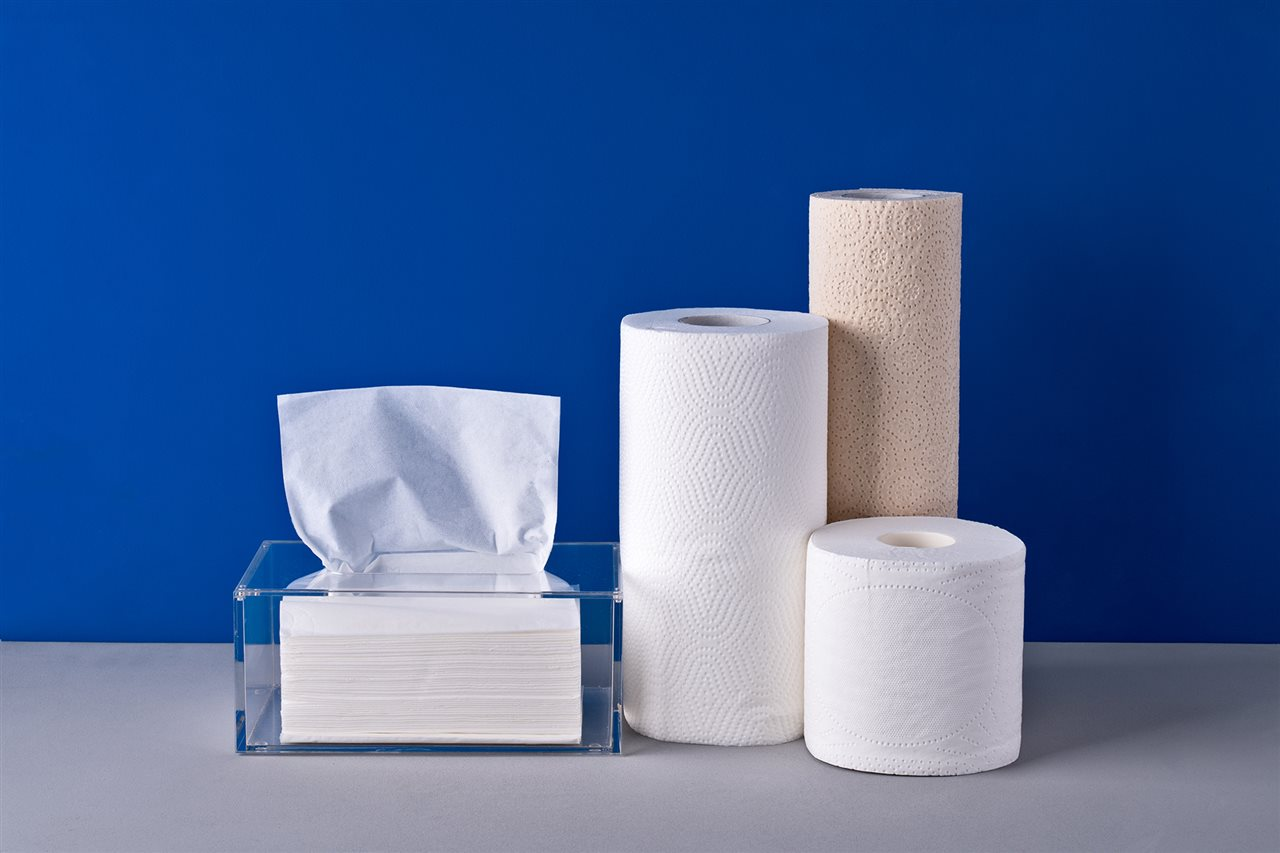
By recycling your cartons, you're not just reducing what ends up in a landfill, you're helping create new products, such as tissue products, writing paper and even green building materials.
Once cartons have been collected, they are taken to the local materials recovery facility (MRF). There they are sorted and baled, and those bales are sent to recyclers where they can follow one of two paths: being sent to a papermill or to a building materials producer.
The most common path leads cartons to papermills, where they are turned into pulp by a hydrapulper. The pulp is then rolled into thin sheets and is used to create tissues, toilet paper and writing paper.
Cartons that go to a building materials producer are shredded, then pressed under high heat into long-lasting, green building materials for roof systems.
You can see the entire process by watching this video.
What you can do
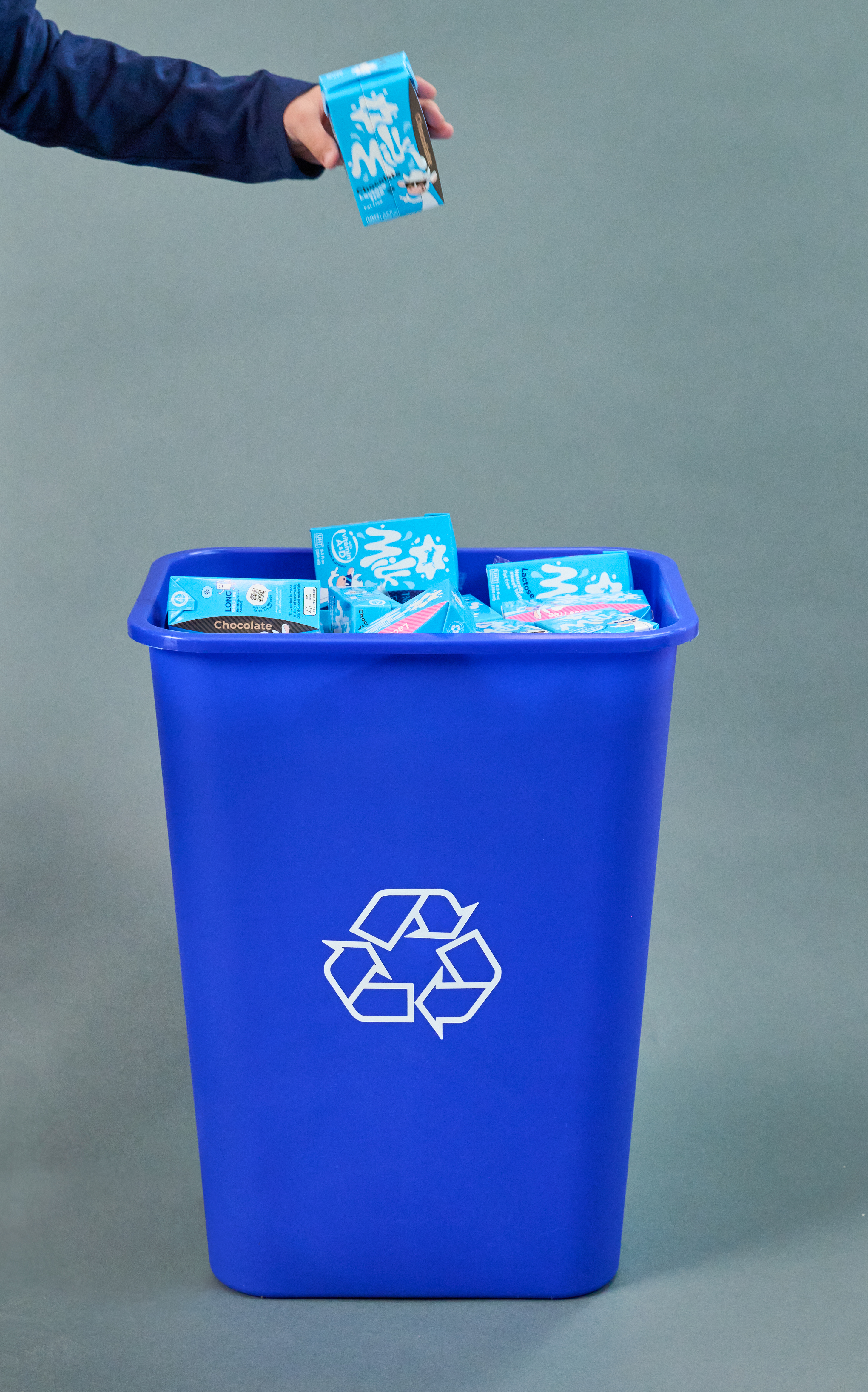
Food packaging plays an essential role in protecting food safety, food quality and extending shelf life to reduce food waste. But, once it is done protecting food, it needs your help to make it to the recycling bin. Learn more about carton recycling at Tetrapakusa.com. To find a carton recycling center near you, go to RecycleCartons.com/carton-recycling-locator.

Find more stories and multimedia from Tetra Pak at 3blmedia.com.
Contact Info:
Spokesperson: Tetra Pak
Website: https://www.3blmedia.com/profiles/tetra-pak
Email: info@3blmedia.com
SOURCE: Tetra Pak
View the original press release on ACCESS Newswire:
https://www.accessnewswire.com/newsroom/en/industrial-and-manufacturing/how-recycled-cartons-become-useful-everyday-products-1166542
