NORTHAMPTON, MA / ACCESS Newswire / May 26, 2026 / Originally published on newsroom.marykay.com
Grassroots advocacy is often associated with large-scale campaigns - mass emails, petitions, and sweeping calls to action. But in practice, the most effective efforts are far more focused, grounded in real conversations, preparation, and trust.
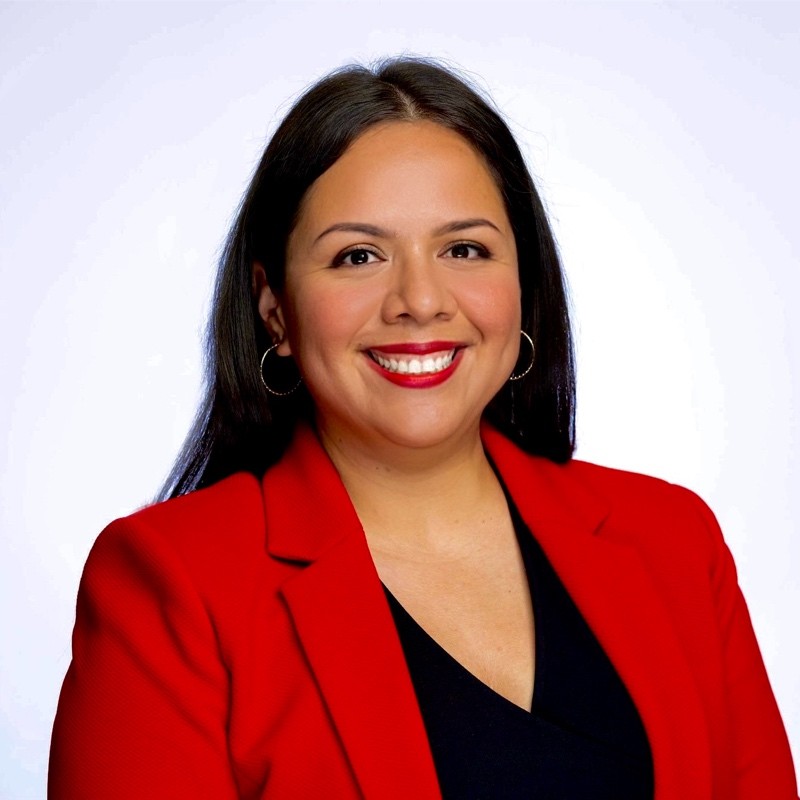
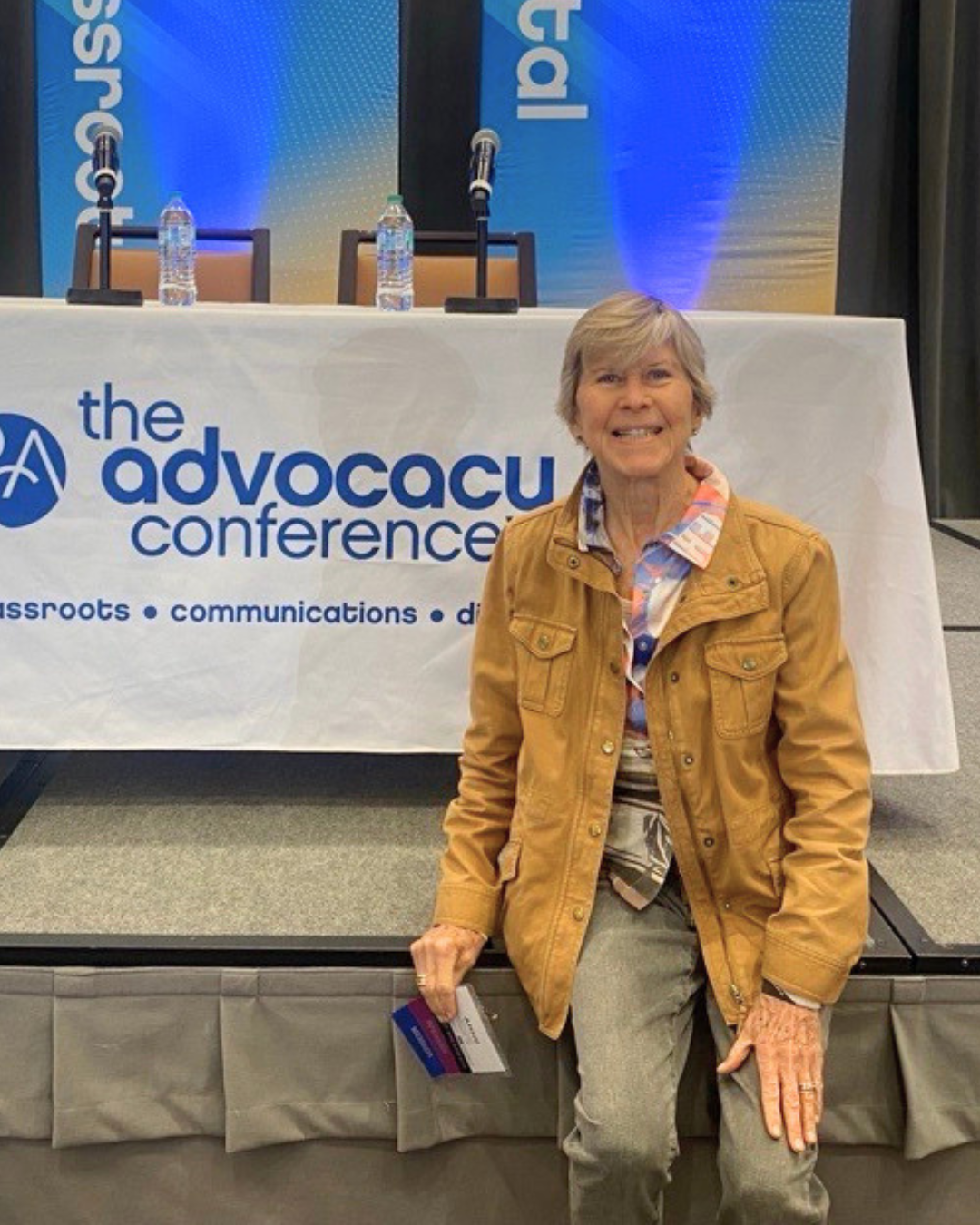
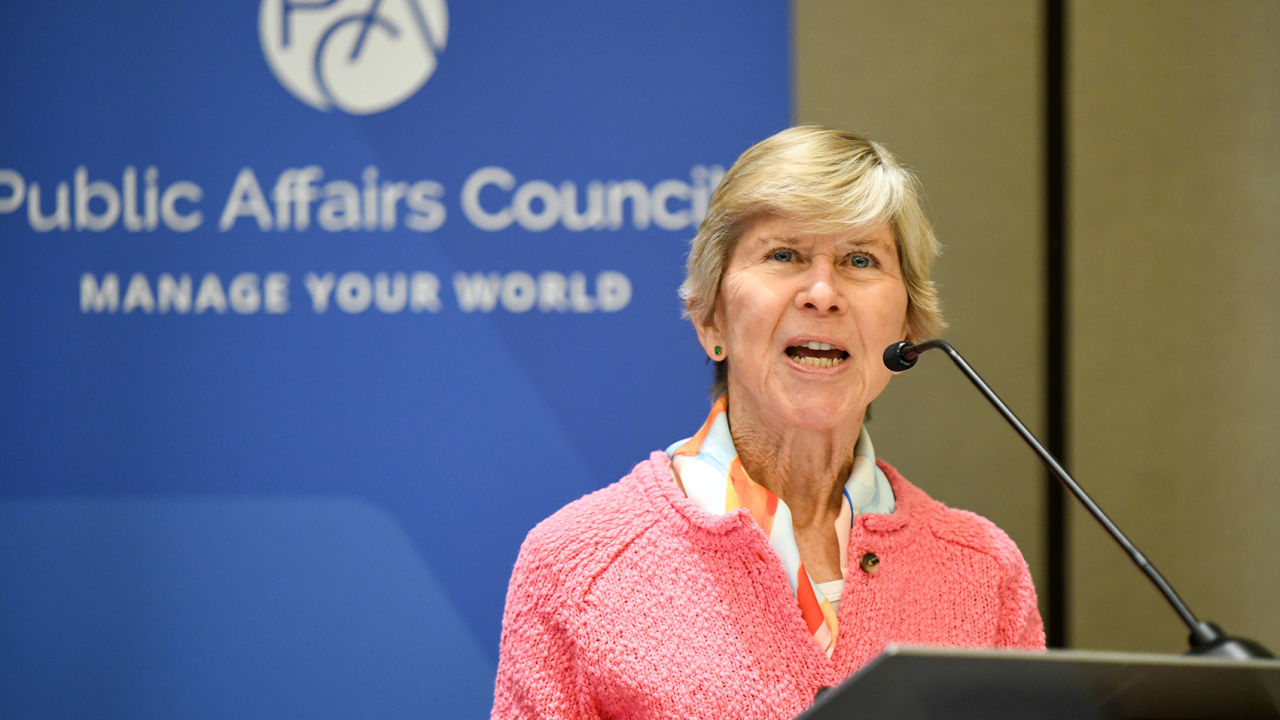
That perspective was shared by Mary Kay's Anne Crews, Vice President of Public Affairs, at the Public Affairs Council's 2026 Advocacy Conference on March 17-19, 2026, in Scottsdale, Arizona. It reflects the company's broader grassroots approach, shaped by Mary Kay's Public Affairs team, including Michelle Erbeyi, Public Affairs Manager.
At Mary Kay, grassroots are informed by a network of independent beauty consultants whose firsthand experiences bring a human dimension to policy discussions. The approach prioritizes authenticity, preparation, and long-term relationships with policymakers-reflecting both the company's culture and its community of entrepreneurs, leaders, and storytellers.
Rather than measuring success by how many people participate, Mary Kay focuses on ensuring the right voices are in the room and prepared to share meaningful experiences with lawmakers. The goal isn't simply activity - it is trust.
Below are insights from Anne and Michelle on Mary Kay's approach - a series of real-life learnings and true inspiration for public affairs professionals.
Q: Mary Kay has a unique business model. How does that shape your approach to advocacy?
Anne:
To understand our advocacy, it helps to understand our company. Mary Kay was founded in Texas in 1963 by Mary Kay Ash with a mission to enrich women's lives. That mission remains unchanged today. Our products are sold exclusively by our independent beauty consultants - entrepreneurs who build their own businesses and connect with customers in their communities.
These consultants are not employees. They are independent small business owners who define success on their own terms while being supported by Mary Kay corporate and the broader Mary Kay community.
Public policy often intersects with how independent entrepreneurs operate, making engagement important for ensuring their perspectives are understood. When our consultants speak with policymakers, they share firsthand experiences in entrepreneurship, small business ownership, and economic opportunity.
Authentic stories often add a powerful human dimension to policy discussions.
Q: Culture plays a key role in your advocacy strategy. How does it influence your grassroots work?
Michelle:
Mary Kay's culture has been consistent since our founding, and it truly shapes how we engage in public policy discussions.
Three values are especially important:
Authenticity: Our consultants build genuine relationships in their communities. When they share their stories with lawmakers, those experiences are real and personal. That level of authenticity is powerful.
Respectful Engagement: Mary Kay has always emphasized the Golden Rule - treating others the way you'd want to be treated. That philosophy carries into our policy conversations. Our advocates approach discussions with civility and a focus on solutions.
Service mindset, which we call the "Go-Give spirit." Our consultants show up wanting to contribute, not confront. They are deeply invested in issues affecting women, families, and small businesses.
These cultural values create the foundation for advocacy that is thoughtful, respectful, and credible.
Q: Is more participation always better in grassroots advocacy?
Anne:
We focus on ensuring participants feel prepared and confident to engage in an advocacy setting. When you have a smaller group of advocates, you can invest more time in preparation and alignment. That preparation shows immediately when they sit down with policymakers.
And in advocacy, credibility matters. When policymakers consistently encounter thoughtful, well-prepared advocates, trust builds over time.
Q: How do you measure the effectiveness of grassroots engagement?
Michelle:
Quantitative metrics are important, but they rarely tell the full story.
What really matters is the quality of the interaction. Were advocates prepared? Did the conversation have substance? Did it lead to follow-up dialogue?
We also pay close attention to tone. Are our advocates reflecting our values? Are discussions respectful and solutions-oriented?
Those qualitative insights often tell us far more than raw numbers. In our experience, professionalism and authenticity consistently outperform volume.
In many cases, the quality of a single conversation can have more lasting impact than a high volume of interactions.
Q: How do you communicate the value of grassroots advocacy to executives and corporate leadership?
Anne:
Leadership teams don't need more data - they need better signals.
When we report on advocacy efforts, we focus on outcomes rather than activity. We ask: Did this engagement move an issue forward? Did it deepen a relationship? Did it help policymakers better understand our business model?
We also connect advocacy directly to business priorities. That might mean protecting flexibility for independent entrepreneurs, strengthening Mary Kay's reputation, or reducing long-term regulatory risk.
And whenever possible, we involve leaders from other parts of the company. When colleagues from sales, marketing, or operations participate in advocacy engagements, the value becomes very tangible.
It becomes more than a report - it's an experience.
Q: Can you share examples of how this strategy works in real life?
Michelle:
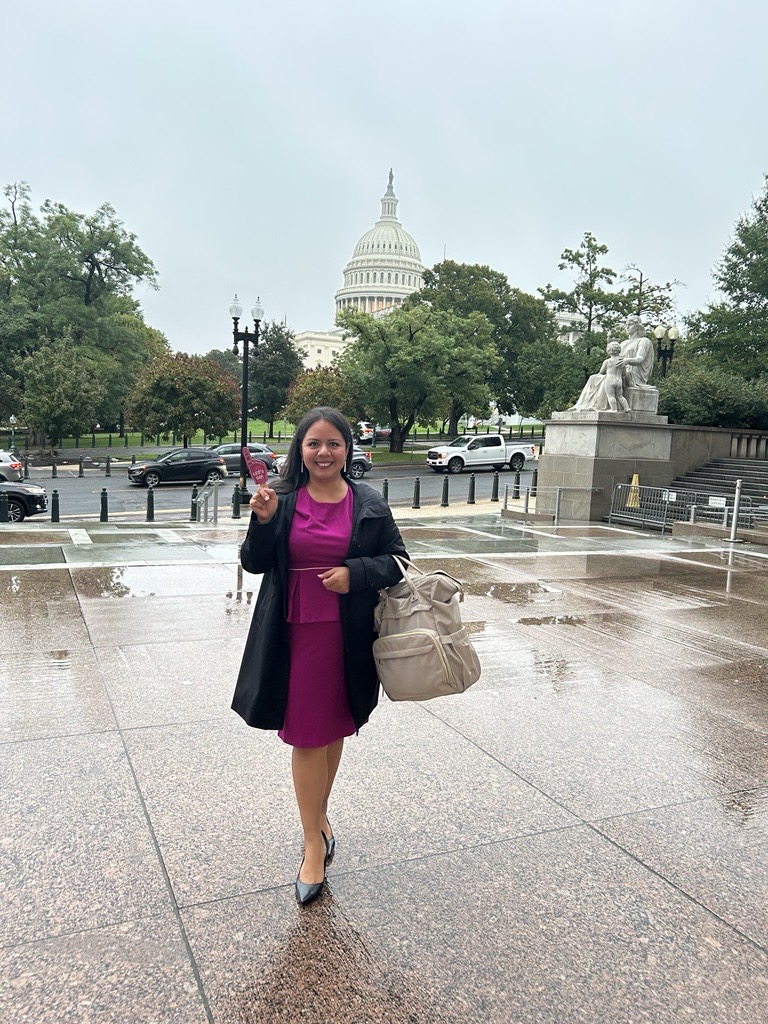
One example was our Mary Kay Day on the Hill, which marked our company's 60th anniversary. Rather than inviting a large group, we prioritized participants who were prepared to share their experiences clearly and effectively. The result was a series of meaningful conversations with policymakers because the advocates were prepared and authentic.
We also host smaller events that help policymakers understand our business model. For example, we've organized skincare and entrepreneurship sessions where legislators meet local consultants and hear firsthand how they run their businesses. Those gatherings are intentionally small, but they often lead to deeper conversations and long-term relationships.
Another important aspect of our work is connecting policymakers with their constituents. We help policymakers understand the presence of entrepreneurs in their communities and the broader economic impact they represent. And sometimes the most effective advocacy happens through site visits, where policymakers visit Mary Kay facilities and meet the employees and entrepreneurs connected to our business. Each of these efforts reflects the same principle: meaningful engagement matters more than volume.
Q: What advice would you offer to other public affairs professionals building grassroots programs?
Anne:
Start with purpose. If you're clear about your objectives and grounded in your organization's values, your advocacy efforts will naturally become more focused and effective.
Invest in preparation. Advocates who feel confident and informed create stronger interactions with policymakers.
And remember that advocacy is about relationships, not transactions. Trust develops over time through consistent, respectful engagement.
When organizations focus on authenticity and preparation, the impact is far greater than any mass campaign.
The Bigger Lesson
While advocacy approaches vary across organizations, our experience has shown that thoughtful, well-prepared engagement consistently leads to more meaningful outcomes. For Mary Kay, grassroots advocacy isn't simply a public affairs strategy; it's an extension of Mary Kay's mission and culture. By empowering women entrepreneurs to share their stories, focusing on thoughtful engagement, and prioritizing long-term relationships with policymakers, Mary Kay has built an advocacy model rooted in authenticity.
And in today's policy environment, that authenticity may be the most powerful tool advocates have.
The Bigger Picture: Direct Selling's Economic Impact
Direct selling contributes an estimated annual $79.2 billion to the U.S. economy, supporting household spending, supply chains, and government revenue.[1]
More than 12.2 million independent contractors participate in direct selling in the U.S., earning supplemental income and/or building their own businesses (representing every U.S. state).[2]
34.7 billion: retail sales generated directly through direct selling activities.[3]
Nationally, $1.00 in direct selling retail sales drives $2.34 of economic activity.[4]
Learn more about Mary Kay's advocacy efforts around the world in the 2025 Sustainability Report.
***
About Mary Kay
One of the original glass ceiling breakers, Mary Kay Ash founded her dream beauty brand in Texas in 1963 with one goal: to enrich women's lives. Learn more at marykayglobal.com. Find us on Facebook, Instagram, and LinkedIn, or follow us on X.
[1] Direct Selling Education Foundation and Robert A. Peterson, Ph.D., (February 2026). The Economic Impact of Direct Selling Activity in the United States. DSEF 2026 US Economic Impact Report.
[2] Direct Selling Education Foundation and Robert A. Peterson, Ph.D., (February 2026). The Economic Impact of Direct Selling Activity in the United States. DSEF 2026 US Economic Impact Report.
[3] Direct Selling Education Foundation and Robert A. Peterson, Ph.D., (February 2026). The Economic Impact of Direct Selling Activity in the United States. DSEF 2026 US Economic Impact Report.
[4] Direct Selling Education Foundation and Robert A. Peterson, Ph.D., (February 2026). The Economic Impact of Direct Selling Activity in the United States. DSEF 2026 US Economic Impact Report.
Find more stories and multimedia from Mary Kay at 3blmedia.com.
Contact Info:
Spokesperson: Mary Kay
Website: https://www.3blmedia.com/profiles/mary-kay
Email: info@3blmedia.com
SOURCE: Mary Kay
View the original press release on ACCESS Newswire:
https://www.accessnewswire.com/newsroom/en/business-and-professional-services/inside-mary-kas-grassroots-advocacy-approach-building-trust-thro-1170514