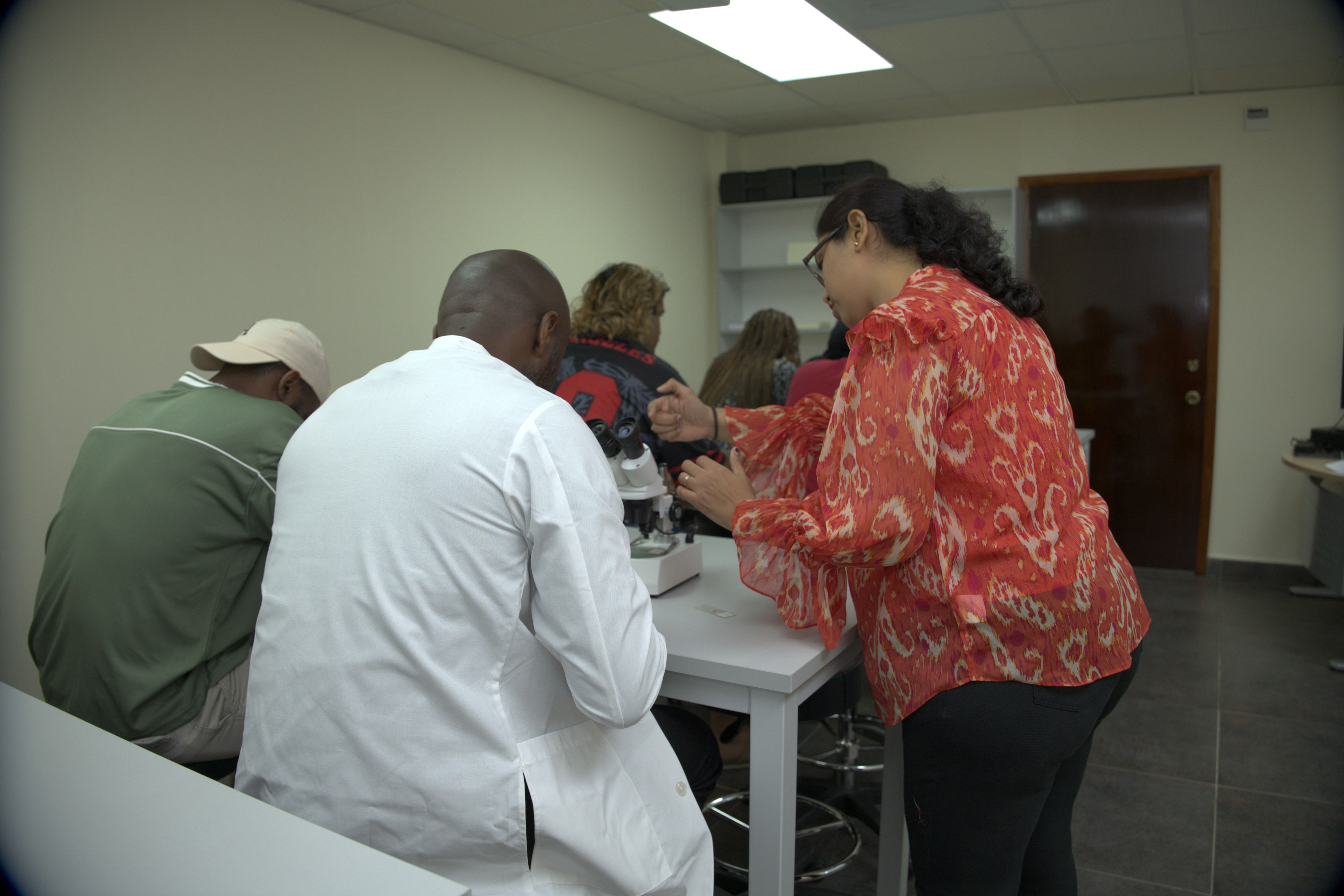
George Hill, Anguilla, 3 June 2026 -- New Anglia University considers whether a modern pathway combining UK academic study, focused international medical training, and NHS clinical experience may better align with the needs of future doctors than spending six consecutive years overseas. As increasing numbers of British students explore international medical education and Caribbean medical schools in North America, questions surrounding academic preparation, student wellbeing, and workforce readiness are becoming increasingly important.
Medical education pathways have evolved significantly over the past decade, with increasing numbers of students and families questioning whether spending six consecutive years overseas remains the most effective route into medicine.
Increasingly, attention is shifting from simply where students study to how medical education pathways are structured. Questions surrounding academic maturity, clinical training environments, healthcare system familiarity, and long-term career development are becoming increasingly important when evaluating medical education options.
At the same time, competition for medical school places in the United Kingdom remains high, prompting many students to explore alternative pathways that can provide flexibility while maintaining strong academic and clinical standards.
Academic Maturity Before Medical School
One of the most notable developments in medical education is the growing recognition of the value of academic maturity before entering a medical degree programme.
For many students, completing a Bachelor of Science (BSc) degree in the United Kingdom before commencing medical studies can provide a stronger scientific foundation, enhanced study skills, greater independence, and a clearer understanding of the commitment required to pursue a career in medicine.
Graduate-entry pathways have become increasingly popular because students often enter medical education with improved critical thinking abilities, greater confidence, and a more informed perspective regarding their professional goals. Rather than making a life-changing decision immediately after A-levels, some students benefit from spending additional time developing academically and personally before embarking on the demanding journey of medical training.
This reflects an approach long associated with American and Canadian medical education compared with the traditional direct-entry model commonly found across Europe.
Spending More Time Closer to Home
Families are also placing increasing value on educational pathways that allow students to remain closer to home during important developmental years.
The transition from secondary school to university represents a significant personal and academic adjustment. Remaining in the UK during undergraduate studies can provide access to established support networks, family connections, familiar healthcare systems, and greater financial predictability.
Recent years have also highlighted how geopolitical uncertainty, changing travel environments, and international instability can influence global mobility in unexpected ways. As a result, many students and parents are increasingly considering educational pathways that reduce the need for prolonged periods overseas while still providing valuable international experience.
This approach enables students to benefit from international medical education without necessarily spending six uninterrupted years away from home.
Financial considerations also influence how students and families evaluate medical education pathways. Spending a greater proportion of one's education in the United Kingdom reduces living expenses associated with prolonged periods overseas while allowing students to remain connected to established support networks. As a result, some families are increasingly assessing not only the academic structure of a programme but also its overall long-term affordability and sustainability.
Focused International Medical Education
The concept of studying medicine abroad is also evolving.
Instead of spending an entire medical education overseas, some students are pursuing more balanced pathways that combine undergraduate preparation in the UK with focused periods of international medical training.
Under this model, students may complete a UK-based undergraduate Bachelor's degree, undertake approximately 20 months of intensive pre-clinical medical education internationally, and then return to the UK for two years of clinical education in NHS Teaching Hospitals within the same healthcare system in which they ultimately intend to practise.
Such an approach seeks to combine the advantages of international exposure with the benefits of maintaining strong academic, professional, and personal connections to the United Kingdom. For students exploring international medical schools and Caribbean medical schools, the emphasis is increasingly shifting from the geographical location of a programme to the overall educational structure and long-term outcomes it provides.
Ultimately, the effectiveness of a medical education pathway is increasingly being measured not by where students spend the majority of their training, but by how well it prepares them for clinical practice, postgraduate training, and long-term career development.
Why NHS Clinical Experience Matters
For students intending to build their careers within the United Kingdom, substantial exposure to the National Health Service (NHS) remains an important component of medical training.
Clinical knowledge alone is not sufficient. Future doctors must also develop an understanding of NHS culture, multidisciplinary team working, clinical governance, referral pathways, patient communication standards, safeguarding procedures, documentation requirements, and the operational realities of healthcare delivery within the UK.
Clinical rotations within NHS environments provide students with the opportunity to develop familiarity with the healthcare system in which many intend to practise after graduation. This experience can help bridge the gap between classroom-based learning and real-world clinical practice while supporting professional development and workplace readiness.
As healthcare systems continue to evolve, familiarity with local clinical environments is increasingly viewed as a valuable aspect of medical education.
Looking Ahead
Medical education continues to evolve alongside changing healthcare systems, workforce requirements, and student expectations.
For many aspiring doctors, the traditional model of spending six consecutive years abroad may no longer be the only pathway worth considering. Increasingly, students are exploring routes that combine UK academic preparation, focused international medical education, and substantial NHS clinical experience.
As the landscape of medical education continues to change, flexibility, preparedness, and alignment with future career goals may become just as important as the location in which a student begins their medical journey.
As students evaluate the many routes available to them, the focus is increasingly shifting away from where a medical degree begins and towards how effectively a pathway prepares future doctors for clinical practice, professional development, and long-term career success within the healthcare systems they ultimately intend to serve.
For decades, spending six consecutive years overseas was often viewed as the default pathway for students pursuing medicine abroad. Today, however, changing student expectations, evolving healthcare systems, and growing emphasis on workforce readiness are prompting a re-evaluation of whether this traditional model remains the most appropriate route for every aspiring doctor.
New Anglia University continues to monitor developments in international medical education and the evolving needs of students seeking pathways that combine academic excellence, international experience, and preparation for modern clinical practice.
Contact details: info@newanglia.com Tel: +1 264 498 3768/+44(0) 204 553 3768