Founded by MIT-Trained Scientists, Biotech Startup Advances Predictive AI to Improve Human Safety Assessment, Reduce Costly Drug Attrition and Accelerate Drug Development
BOSTON, MA / ACCESS Newswire / July 7, 2026 / Absentia Labs, a biotech startup building comprehensive AI models of human biology, announces the acceptance of its Digital Liver Model for predicting Drug-Induced Liver Injury (DILI) into the U.S. Food and Drug Administration's (FDA) Drug Development Tool Qualification Program.
"Much of the conversation around AI in pharmaceuticals has focused on drug discovery and finding promising new molecules faster," said Farhan Khodaee, PhD, CEO and co-founder of Absentia Labs. "We're focused on drug development and the harder question: whether those discoveries are safe and effective enough to advance toward clinical trials at all."
The historic milestone marks the first AI-driven Drug Development Tool accepted into the FDA's Innovative Science and Technology Approaches for New Drugs (ISTAND) qualification pathway. This represents a major step in gaining regulatory recognition of a new category of AI-based DDTs and New Approach Methodologies (NAMs) that improve the prediction of human safety and reduce reliance on animal testing.
"Our goal is to make human biology more predictive, so drug developers can better understand how medicines may behave in the human body before patients are exposed to unnecessary risk," added Khodaee.
Absentia's Digital Liver Model is the first application of its broader AI platform. With additional models in development, the company is building AI systems that model human biology to help pharmaceutical companies make faster, more informed development decisions, reduce costly attrition, and improve the speed, predictability and success of therapeutic innovation.
The FDA acceptance comes as Absentia is named among the winners of precisionFDA's Predictive Modeling of Hepatotoxicity in Animals Challenge. Drawing submissions from the world's leading experts and pharmaceutical companies, the challenge evaluated machine-learning models for liver toxicity prediction.
Addressing a Leading Cause of Clinical Trial Failure
According to the FDA, DILI is one of the most significant safety concerns in drug development and a leading cause of clinical trial termination and drug attrition during the Investigational New Drug process, yet current modeling does not accurately identify DILI risk in humans.
The prediction gap exists because human liver response varies widely based on metabolism, genetics, immune response, dose and exposure history, yet traditional animal studies and in vitro assays fail to capture this complexity.
Absentia's Digital Liver Model addresses these complexities by combining mechanistic biology with AI trained on drug-response data, helping developers assess liver injury risk earlier and make more informed decisions before candidates advance into human trials.
Founding Team Built for Science and Scale
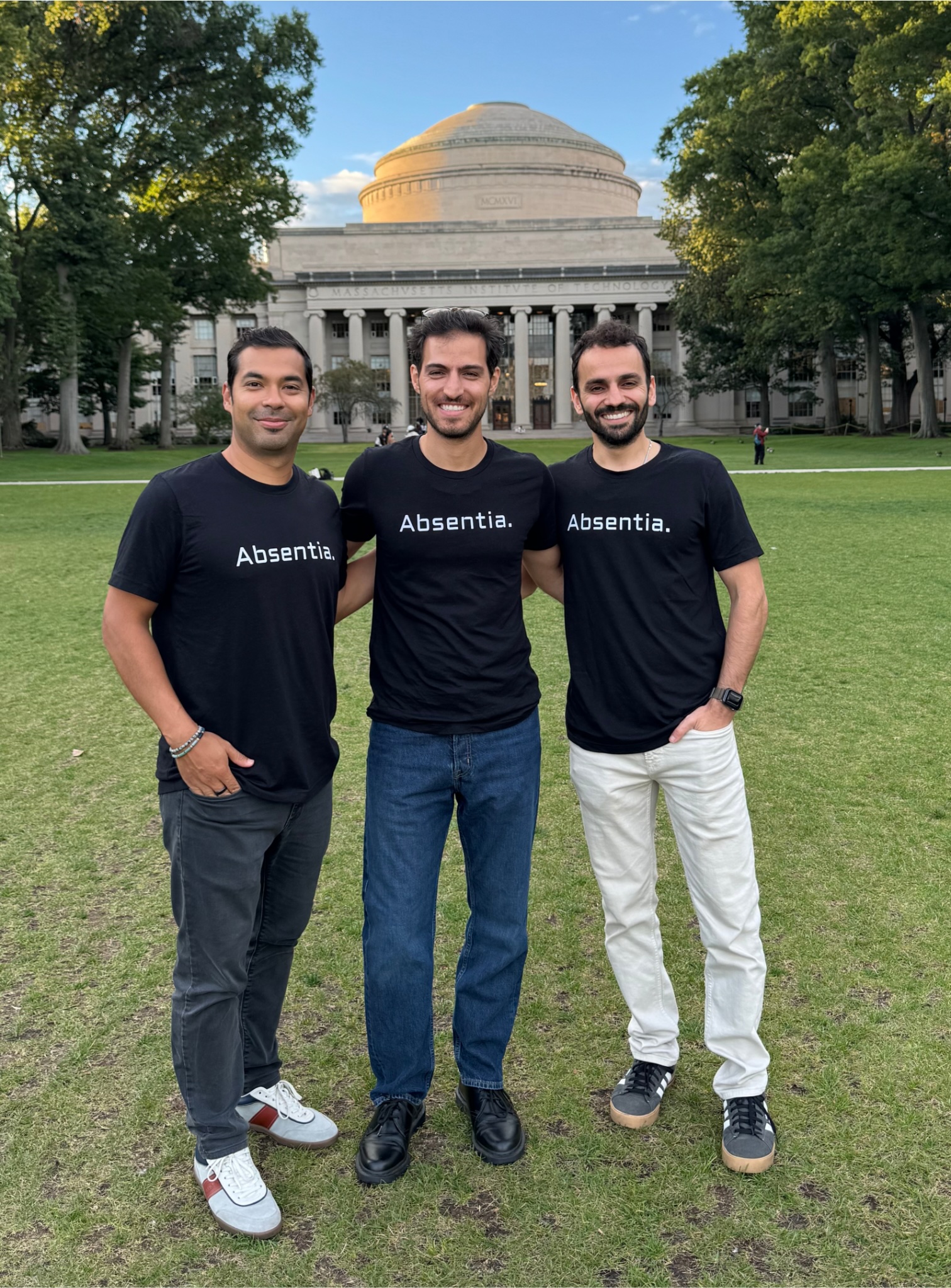
Founded in Boston in 2024, Absentia Labs was co-founded by Farhan Khodaee, who studied engineering and technology and conducted research at the internationally recognized Harvard-MIT Biomedical Engineering Center; Rohola Zandie, PhD, Chief Technology Officer, an MIT Postdoctoral Associate whose research focuses on generative AI, computational biology and drug discovery; and Robert Betancort, MBA, Chief Operating Officer, a three-time founder with expertise in biotechnology commercialization, operations and growth strategy.
The scientific research of Drs. Khodaee and Zandie has been published in leading peer-reviewed journals, including Nature Computational Science, Transactions on Affective Computing, Natural Language Engineering and ICLR.
About Absentia Labs
Absentia Labs is a frontier biotechnology company developing advanced artificial intelligence systems of human biology to accelerate drug development. By combining artificial intelligence with mechanistic biology, the company aims to make drug development more predictive, evidence-based and less reliant on trial-and-error experimentation. Its first application, the AI-Driven Digital Liver Model for predicting Drug-Induced Liver Injury (DILI), has been accepted at the Letter of Intent stage of the U.S. Food and Drug Administration's three-stage ISTAND Drug Development Tool Qualification Program. Find Absentia Labs online on its website or on LinkedIn.
Media Contact:
Victoria Kirk
Verified Communications
416-558-4507
victoria@verifiedcomms.com
SOURCE: Absentia Bio
View the original press release on ACCESS Newswire:
https://www.accessnewswire.com/newsroom/en/biotechnology/absentia-labs-digital-liver-model-becomes-first-ai-drug-development-tool-accepted-int-1186947