
Miami periodontal specialist highlights common reasons dental implants fail and the importance of careful patient evaluation before treatment.
MIAMI, FL / ACCESS Newswire / July 21, 2026 / Dental implants have become one of the most reliable solutions in modern dentistry for replacing missing teeth, but not every patient is an immediate candidate. Understanding why can make the difference between a successful outcome and a costly setback. At Gallardo Periodontics and Implant Dentistry, renowned Miami periodontist and implant specialist Dr. John Paul Gallardo is helping patients understand what needs to be in place before an implant is placed, and why addressing underlying conditions first is essential to long-term success.
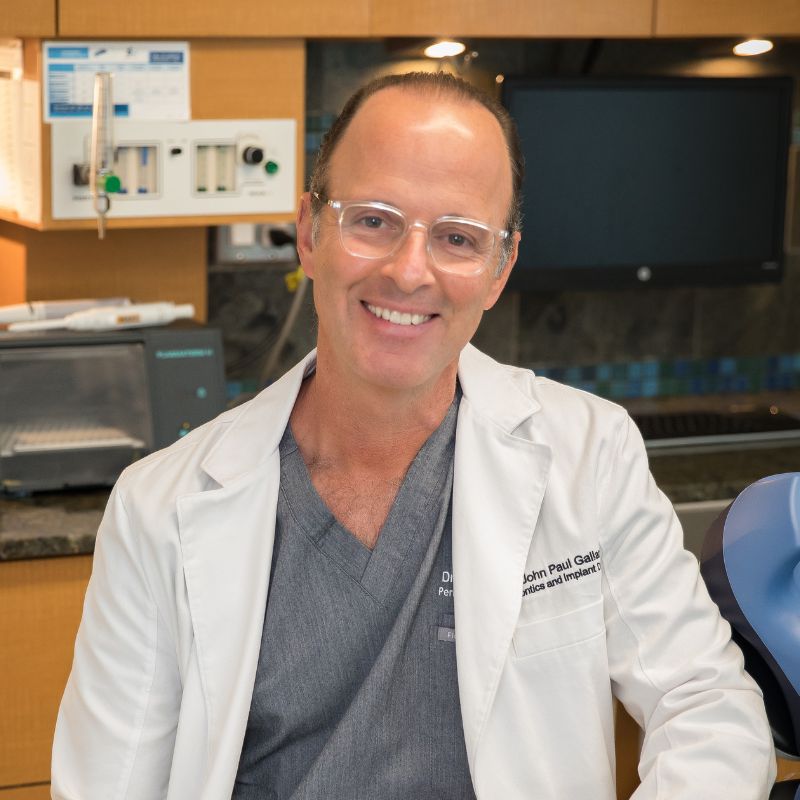
With over 30 years of experience focused exclusively on periodontal disease and dental implants, Dr. John Paul Gallardo has seen firsthand how implant outcomes are shaped long before the procedure begins. His message to patients is straightforward: the foundation matters as much as the implant itself.
Not Every Patient Is Ready for Implants Right Away
One of the most common misconceptions patients bring to their consultation is the assumption that a missing tooth can simply be replaced with an implant at any time. According to Dr. Gallardo, that's not always the case, and being upfront about it is part of providing responsible care.
"Not everyone is ready for dental implants, and that's something most patients are surprised to hear," Dr. Gallardo explains. "If you have active gum disease, uncontrolled inflammation, or significant bone loss, placing an implant immediately may increase the risk of failure. Implants depend on healthy bone and stable gum tissue. If the foundation is unhealthy, the implant is at risk no matter how well it's placed."
This is a point that often catches patients off guard. Many arrive expecting a straightforward procedure, unaware that conditions like periodontal disease or bone deficiency can directly compromise an implant's ability to integrate with the jaw. At Gallardo Periodontics, the consultation process includes a thorough evaluation of digital X-rays, bone level assessment, and a review of gum health to determine whether a patient is truly ready to proceed or whether preparatory treatment is needed first.
Treating the Problem Before Placing the Implant
When active gum disease or significant bone loss is present, the priority at Gallardo Periodontics is stabilizing those conditions before any implant surgery takes place. Gum disease treatment is often the necessary first step, eliminating the infection and inflammation that would otherwise put an implant at immediate risk.
Dr. Gallardo is direct about this approach: "Sometimes the smartest decision isn't placing the implant right away. It's treating the underlying problem first. The goal isn't just to place an implant. It's to make sure it lasts."
This philosophy reflects a longer view of patient care, one that prioritizes durable outcomes over speed. For many patients, working through a preparatory phase that involves gum disease treatment, bone grafting, or both ultimately results in a more stable implant and a better long-term prognosis.
When Bone Grafting Becomes Necessary
Bone loss is one of the most common reasons a patient may not be immediately eligible for a dental implant. When a tooth has been missing for an extended period, or when periodontal disease has eroded the supporting bone, there may not be enough healthy bone structure remaining to securely anchor an implant.
In these situations, bone grafting becomes an important preparatory step. Dr. Gallardo explains that the anatomy of the placement site determines a great deal about whether grafting is required. In the upper posterior region, for instance, the sinus can drop down significantly, leaving only a few millimeters of bone, which is not enough to place an implant safely. A sinus bone graft addresses this by augmenting the available bone before implant placement proceeds.
The front teeth present a different set of considerations. Because the anterior region is highly visible and prone to gradual bone resorption over time, Dr. Gallardo notes that bone grafting is routinely performed when replacing upper front teeth, not only to support the implant structurally but to counteract the natural resorptive process that continues throughout a patient's life.
In other areas of the mouth where appearance is less of a factor, shorter but wider implants may allow for successful placement without grafting, provided there is adequate bone width to support the biomechanical load. These decisions are made individually, based on a careful review of each patient's anatomy and imaging.
The Role of Ongoing Care in Implant Success
Placing an implant successfully is only part of the equation. Long-term success depends on the patient's commitment to maintaining the health of the surrounding gum tissue and bone. Implants can fail not only during the initial healing period but years later, if inflammation or infection develops around the implant site, a condition known as peri-implantitis.
Regular periodontal maintenance, professional cleanings, and consistent home care are essential to protecting an implant investment over time. Patients with a history of gum disease require particular vigilance, as they remain at higher risk for peri-implantitis even after successful treatment.
At Gallardo Periodontics and Implant Dentistry, implant patients receive detailed aftercare guidance and ongoing monitoring to catch any early signs of complications before they progress. For patients who have experienced implant problems elsewhere, dental implant repair services are also available at the practice.
About Gallardo Periodontics and Implant Dentistry
Located in Miami, FL, Gallardo Periodontics and Implant Dentistry is a specialty practice led by Dr. John Paul Gallardo, a periodontist and implant surgeon with more than 30 years of experience. The practice offers comprehensive periodontal care and dental implant services, including gum disease treatment, bone grafting, LANAP laser therapy, and full-arch implant solutions. Treatment insights and patient education are regularly shared through the practice's Instagram page.
Patients interested in scheduling a consultation can contact the practice through the online form at Gallardo Periodontics and Implant Dentistry.
Media Contact
Dr. John Paul Gallardo
info@miamiperio.com
305-447-1447
SOURCE: Gallardo Periodontics and Implant Dentistry
View the original press release on ACCESS Newswire:
https://www.accessnewswire.com/newsroom/en/healthcare-and-pharmaceutical/dr.-john-paul-gallardo-shares-why-dental-implants-can-fail-and-what-p-1193443
