
Kuqa, China--(Newsfile Corp. - August 4, 2026) - In the shadow of centuries-old Buddhist grottoes along legendary caravan routes once trodden by traders connecting China with Persia and the Mediterranean, more than twenty content creators from eleven countries are gathering this week for a global showcase of one of Asia's most storied crossroads.
The week-long tour, titled "This Summer, Meet Kuqa," runs from 3-9 August 2026, taking the visiting influencers through nine counties and cities across Aksu Prefecture in northwest China - a region long celebrated for its role at the heart of the ancient Silk Road.
The trip opens with a launch event at the Kuqa Museum, home to a rich collection of Qiuci (also spelled Kucha) artifacts that bear witness to more than a thousand years of cultural exchange along the Silk Road.
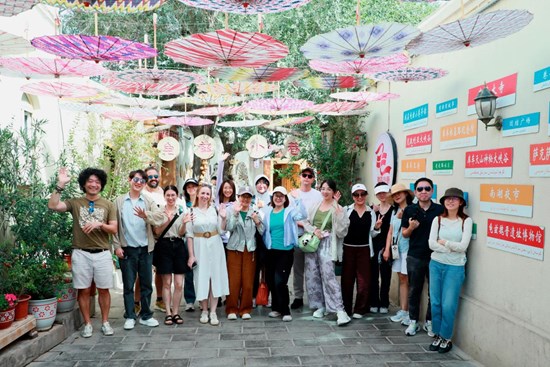
Legacy of an ancient kingdom
Ancient Kucha was an oasis kingdom where Chinese, Persian, Indian and Greco-Roman civilizations met between the 3rd and 8th centuries AD. As one of the most important hubs on the northern Silk Road, it became a center for the exchange of culture, art and commerce, with its cultural influence spreading far beyond the region along the Silk Road. The nearby Kizil Grottoes - cut into red sandstone cliffs and adorned with murals dating back some 1,700 years - are often described by scholars as predating.
That legacy sits at the center of the itinerary. Visiting creators will tour workshops reviving traditional mural-painting and instrument-making techniques and attend live performances of Kuqa music and dance - an art form once so influential it is said to have shaped court entertainment across dynastic China.
"We want audiences to see that these traditions continue to thrive and remain part of everyday life."
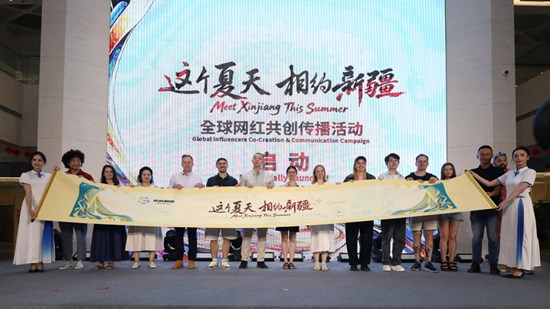
Beyond the museum walls
The tour follows three routes fanning out from Kuqa into the oasis towns of Xinhe and Shaya, and further west to Baicheng, Wensu, Aksu city, Awat, Wushi and Kalpin - settlements watered by rivers flowing from the Tianshan Mountains.
Itineraries range from treks toward glacier-fed valleys to visits with farming families for grape and melon harvests, reflecting the region's reputation for producing some of China's sweetest fruit. Organizers say the goal is to encourage authentic interaction and give participants - many with large followings across Europe, Latin America, Southeast Asia and Africa - a more textured sense of daily life along the old trade corridor.
Riding a wave of interest
Aksu, until recently lesser-known to most overseas travelers, is now being positioned by regional tourism boards as an emerging destination - a place to see Silk Road heritage without the crowds.
The organizers hope the influencers' posts - a mix of short-form video, photography and vlogs - will translate into more international visitors in coming travel seasons. China's tourism recovery has been strengthened by expanded international outreach. The creators share their experiences to reach younger audiences on platforms such as YouTube, Instagram and TikTok.

A living Silk Road
Kuqa's allure lies less in formal presentations than in direct access to living traditions: artisans demonstrating centuries-old techniques, and landscapes stretching from deserts and glacier-fed valleys to flourishing orchards that remain unfamiliar to many international audiences.
More than simply visiting a landmark, Kuqa offers the opportunity to experience the everyday rhythms of an ancient civilization.
Media contact
Contact: Wu Min
Company Name: CMG European and Latin American Languages Programming Center
Website: https://www.cgtn.com/
Email: rmtzzb@cri.com.cn
To view the source version of this press release, please visit https://www.newsfilecorp.com/release/307871
Source: Hmedium
