Oftentimes, a 5% dividend yield hints at a rather mature stage of business. This is not the case for MLP, in our view, a business that benefits from secular growth, consistent with a 14% adj. EBIT CAGR into 2028e (eNuW).
A recent study on investor-adviser relationships provides additional external validation for this view (source: CFA Institute). It confirms a structurally healthy advice market and client trends that should play into MLP's positioning. Key takeaways include:
Secular advice demand remains favourable. In fact, the overall advice usage is even stronger among younger generations. 92% of Gen Z and 89% of millennials use some form of financial advice or planning service, compared to 76% of Gen X and 80% of baby boomers. Taken together, these figures point to the durability of advisory demand and suggest further runway as younger cohorts progress through key life stages and build wealth.
Trusted human advice remains hard to displace, reinforcing the relevance of MLP's adviser-led model. While younger investors increasingly rely on apps, social media and Gen-AI tools, human advisers remain the most trusted source of investment guidance. Broader access to information therefore does not appear to weaken the role of the adviser.
MLP's advisory model appears well aligned with changing client needs. Younger clients increasingly demand broader, more tailored and life-centred advice, while expecting advisers to connect financial strategy more closely with broader life goals. This should play to the strengths of MLP's broad and independent advisory set-up. The same pattern is visible in product demand, with 94% of Gen Z and millennials interested in personalized financial products, including customized portfolios and access to broader investment categories such as private equity and crypto, options all available via MLP.
Another potentially important medium-term growth lever is the planned Altersvorsorgedepot. By introducing a subsidised, return-oriented retirement product without mandatory guarantees, the reform should shift private retirement saving closer to capital-market solutions and away from the low-return design constraints that have weighed on product appeal in the past. MLP should be a clear beneficiary, as a broader and more investable retirement framework would likely increase advice demand and long-term savings inflows. Although some details remain open, the key remaining step is Bundesrat approval, with the reform planned to take effect from January 2027.
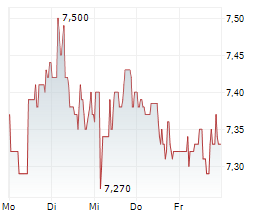
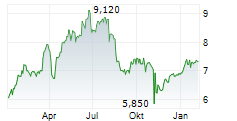
The current valuation still looks too low for the visibility and quality of MLP's earnings growth, in our view, given its high recurring revenue share (72% of total) and a structurally favourable market backdrop. We also continue to expect MLP to outperform its FY26 guidance.
Maintain BUY, PT € 12, based on Residual Income.
ISIN: DE0006569908