NORTHAMPTON, MA / ACCESS Newswire / June 30, 2026 / Originally published on CVS Health Company Newsroom
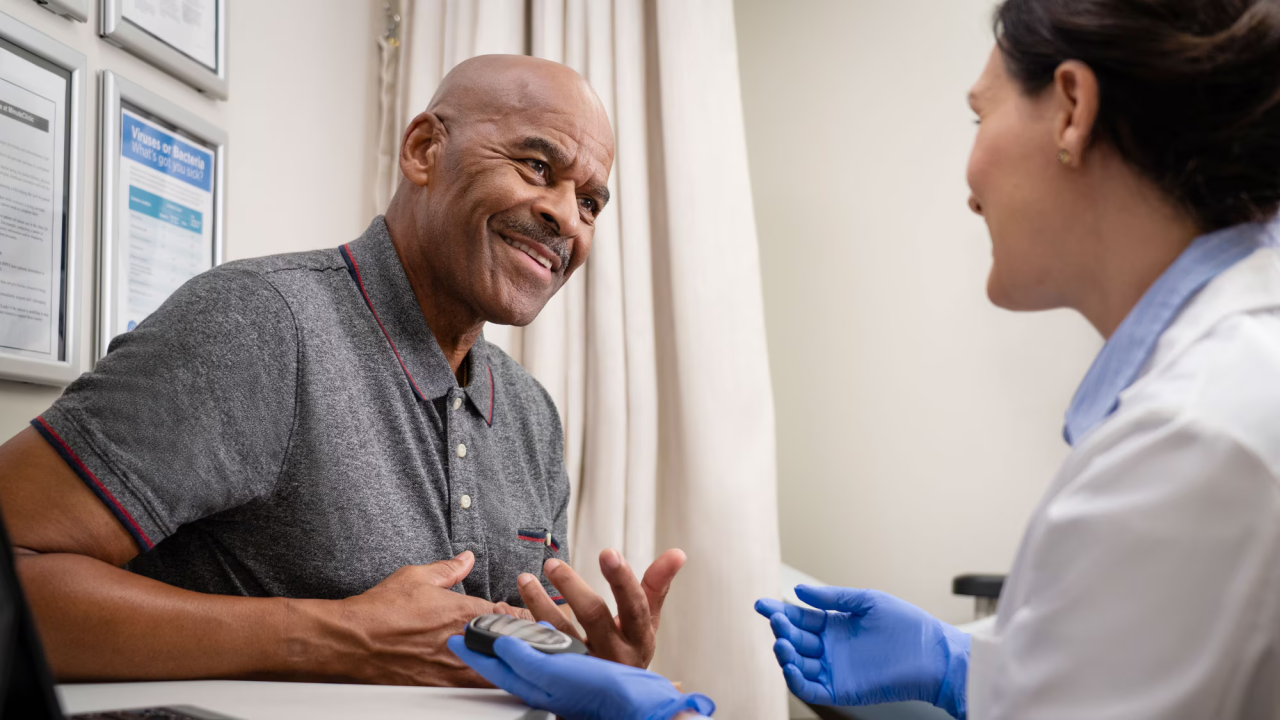
Key points
Many men develop silent risks for heart disease and certain cancers sooner than they may realize.
Preventive screenings can catch issues early, yet men are less likely than women to seek routine care.
CVS Health offers convenient ways to get screened - from walk in clinics to virtual care and mobile health vans
Why health screenings matter
Taking care of health doesn't have to be complicated - but it does need to be consistent. Regular screenings can identify potential issues before symptoms appear.
"Most of the conditions we worry about in men develop quietly. Screenings give us a chance to catch issues early, when treatment is simpler and outcomes are far better," says David Fairchild, MD, Chief Medical Officer, Retail Health at CVS Health.
Conditions like high blood pressure, high cholesterol, diabetes, and some cancers often develop undetected. Heart disease remains the leading cause of death in the United States, and men tend to develop cardiovascular disease at younger ages than women.1, 2
The average age of a first heart attack is about 65 for men, compared to 72 for women.3 Nearly 1 in 5 heart attacks occurs without clear symptoms - making routine screenings essential.3
Preventive care is about staying well, not just treating illness. Screenings help detect issues early, prevent complications, and provide a clearer picture of overall health.
What early detection can look like
Across care settings, routine screenings often uncover important risks - sometimes when individuals feel completely fine:
A firefighter in his 20s learns during a routine screening that he has dangerously high blood pressure, allowing him to take action before long-term damage occurs.
A busy administrator in his 40s discovers elevated blood sugar levels at a preventive visit, leading to early diabetes management and reduced risk of complications.
A retired teacher in his 60s completes a colorectal cancer screening that detects an issue early, when treatment is most effective.
While these illustrative scenarios differ, they point to a shared takeaway: Screening needs change with age and risk - and accessible, convenient care makes it easier to stay on track. Knowing what to check, and when, helps men take a more proactive role in their health.
What men should prioritize for better health at every age
Preventive care isn't one-size-fits-all-but there is a set of recommended core screenings men should stay on top of throughout adulthood, regardless of age. These foundational screenings help track overall health, catch early risk factors, and guide timely care decisions.
Recommended core screenings for adult men include:
Annual physical exam
Blood pressure screening
Cholesterol screening
Diabetes screening (based on age and risk)
Mental health screening
Routine infectious disease and STI screening as appropriate
As men age, these core screenings continue, while additional age-specific screenings are layered in to detect conditions that become more common over time.
Here's how screening recommendations typically evolve by decade. People should talk with a health care provider to determine what's right for them.
20s: Build a baseline
In the late teens and twenties, many men feel healthy-which makes this an ideal time to establish a baseline through preventive care.
Continue core screenings, with the focus on:
Establishing baseline metrics (blood pressure, cholesterol)
HIV and hepatitis C screening (at least once)4
30s: Stay proactive
Risk for heart disease can begin to rise in the 30s, often without noticeable symptoms.1
Continue core screenings, plus:
Monitoring trends in blood pressure and cholesterol
Diabetes screening for individuals with risk factors4
40s: Shift toward early detection
Risk continues to increase in the 40s, making early detection more important than ever.
Continue core screenings, plus:
Colorectal cancer screening starting at age 454
Cancer screenings become especially important during this stage. Prostate cancer has more than 99% five-year survival when detected early.6 Colorectal cancer is also rising in younger adults, with about 1 in 5 cases occurring under age 55.5
50s and early 60s: Make prevention a priority
These years are a critical window for preventive care and cancer detection.
Continue core screenings, plus:
Colorectal cancer screening
Prostate cancer screening (based on individual risk)4
Lung cancer screening (for those with a history of smoking)4
"Screening needs change with age, but the goal stays the same: Understand risks early and stay ahead of them," says Dr. Fairchild.
65 and beyond: Focus on long-term health
Screening continues to play a key role in maintaining independence and quality of life.
Continue core screenings, plus:
Monitoring and managing chronic conditions
Abdominal aortic aneurysm screening for certain men (typically ages 65-75 with smoking history)4
Conversations about mobility, cognitive health, and overall wellness
Why many men delay preventive care
Even though screenings can save lives, many men still put them off. Men are also less likely than women to seek preventive care or visit a doctor regularly.7
Mental health is another gap. Only about half of men with mental illness receive care, and men are nearly four times more likely to die by suicide.8 Persistent stigma and social expectations can limit men's willingness to seek care. Improving access is key to closing this gap.
How CVS Health expands access to preventive screenings and care
Convenience is often the biggest barrier to preventive care. CVS Health offers multiple ways to get screened - meeting people where they are:
MinuteClinic: Walk-in preventive services including screening for blood pressure, cholesterol, diabetes, and STIs; wellness visits, as well as adult primary care in select markets and virtual mental health counseling in most states.
Oak Street Health: Primary care for older adults on Medicare with a team-based model integrating physical, behavioral and social health and a strong focus on preventive care and chronic condition management.
Signify Health: In-home health evaluations for eligible health plan members, which may include certain preventive screenings, along with care coordination and referrals.
Project Health: Free community-based screenings through mobile units and in-store events.
Aetna: Coverage and care coordination that help members stay on track with recommended screenings.
"When care is convenient and close to home, people are far more likely to get the screenings they need. Reducing barriers is essential," says Dr. Fairchild.
A simple step toward better health
Staying healthy doesn't require a major overhaul. Consistent, proactive care can make a meaningful difference over time.
"Don't wait. Schedule the screening. Small steps like this can make a life-changing difference," says Dr. Fairchild.
Preventive care is easier than ever - whether it's a walk-in clinic, a primary care visit, or a community screening event. The key is making it routine, not an afterthought.
Find more stories and multimedia from CVS Health at 3blmedia.com.
Contact Info:
Spokesperson: CVS Health
Website: https://www.3blmedia.com/profiles/cvs-health
Email: info@3blmedia.com
SOURCE: CVS Health
View the original press release on ACCESS Newswire:
https://www.accessnewswire.com/newsroom/en/healthcare-and-pharmaceutical/cvs-health-the-health-screenings-men-shouldnt-skip-and-how-cvs-health-1184553