NORTHAMPTON, MA / ACCESS Newswire / October 29, 2025 / The increased frequency and severity of storms including hurricanes, microbursts, and torrential rains all hold the possibility of severe damage to utility assets and loss of power. Each storm event is unique, but they all require safe and rapid restoration of power while meeting the utility's goal of restoring stability across impacted communities.
We spoke with Sean Mauldin, Leidos Director of Distribution Engineering, to understand what utilities can learn from severe storm events, how to make systems more resilient, and how to plan for future events. Answers have been edited for clarity and length.
Each storm is different and presents distinct challenges for utilities. What are some key lessons from past severe weather events that utilities can apply to prepare for future storms?
When preparing for a severe weather event, utilities can benefit from reviewing past storms. What occurred during previous similar weather events? Were the impacts in line with expectations based on past infrastructure improvements? Does the possibility exist for a similar impact during future severe weather? Did recent smart grid enhancements increase identification and restoration efforts and reduce the outage footprint?
By evaluating both failed components as well as the successful performance of hardened assets, utilities can effectively use the knowledge gained from previous events to potentially reduce impacts to the power grid for future events.
Budgets are often top of mind for utilities. When considering the rise in storm frequency and severity, what information supports a utility's approach to capital spend planning?
System resiliency planning has shifted in recent years. Historically, most severe weather events were treated as singular occurrences, and repair costs were recouped through rates. However, the steady increase in both the number of storm events and their severity has caused utilities to treat these events as inevitable costs. The cost of capital repair and replacement following a storm event can be up to ten times higher than replacements conducted as part of a targeted program. Several factors contribute to the increased costs of post-storm repairs, including the rapid deployment of crews and equipment to assess, repair, and restore power; the repair and replacement of damaged grid components; and the procurement and deployment of emergency power generation equipment. Furthermore, utilities face revenue losses from unbilled kilowatt-hours during outages, further compounding the overall costs associated with asset damage.
By reducing the impact of storm damage to a power system's assets, utilities can reduce the repair costs that they've built into their budgets. As utilities develop capital spend plans that improve day-to-day reliability and incorporate hardening strategies, they can use historical storm damage data to inform their approach to damage prevention. A data-driven assessment of the most vulnerable parts of the power system will allow a utility to maximize their capital spending planning.
The frequency of severe weather events is increasing. How can utilities use root cause analysis of failed components to help guide their standards development?
With the increase of severe weather and the heightened risk of damage to the grid, it is vital that utilities obtain accurate data on what failed, and whether future loss can be prevented through design changes. Considering the frequency of storm damage recovery, utilities must maximize the value of every storm recovery dollar. By performing root cause analysis of storm-related component failures, utilities can gain critical insight into design improvements and how to mitigate damage in the future. Critical to this effort are timely and accurate outage investigations and data collection in the field - conducted separately from recovery efforts and performed by non-restoration crews.
Effective tools for conducting post-storm analysis are increasingly available. What is your guidance for utilities on using these data to drive innovation?
Operating in our current data-driven environment, utilities run the same risk as all businesses - data entropy. It's easy to utilize new tools to collect vast amounts of information about an event, but parsing significance from these data is a different matter. Data collection is just the first step, but analyzing and interpreting those findings into actionable solutions is key to reducing future risks. Leidos' deep capabilities in data science can be applied to develop innovative approaches to preparing for future storm events. We may not be able to stop the storm, but we can help utilities reduce the financial and public impact.
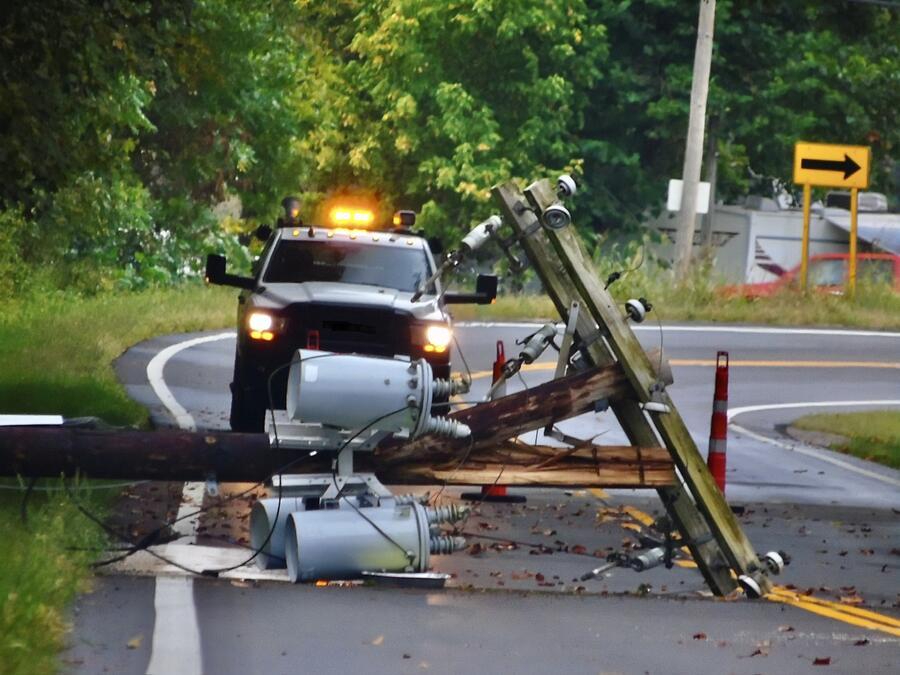
By performing root cause analysis of storm-related component failures, utilities can gain critical insight into design improvements and how to mitigate damage in the future.
View additional multimedia and more ESG storytelling from Leidos on 3blmedia.com.
Contact Info:
Spokesperson: Leidos
Website: https://www.3blmedia.com/profiles/leidos
Email: info@3blmedia.com
SOURCE: Leidos
View the original press release on ACCESS Newswire:
https://www.accessnewswire.com/newsroom/en/business-and-professional-services/resilient-utility-systems-lessons-and-strategies-for-storm-prepa-1093081