

NORTHAMPTON, MA / ACCESS Newswire / January 28, 2026 / Every roof is exposed to many different stresses with different impacts. The ability of roofing materials to withstand the effects of sunlight, temperature swings, and wind and rain depends not only on design and installation but on the minerals built into the system. In modern roofing construction materials, fillers and aggregates play a central role in durability, stability and long-term performance.
Minerals such as silica sand quietly support many of the roofing products used today, improving resistance to ultraviolet radiation, adding weight for wind performance and supporting adhesion during manufacturing and installation. Understanding how these materials function helps explain why consistency and quality control are so critical in building materials and roofing applications.
Minerals: The Hidden Strength in Modern Shingles
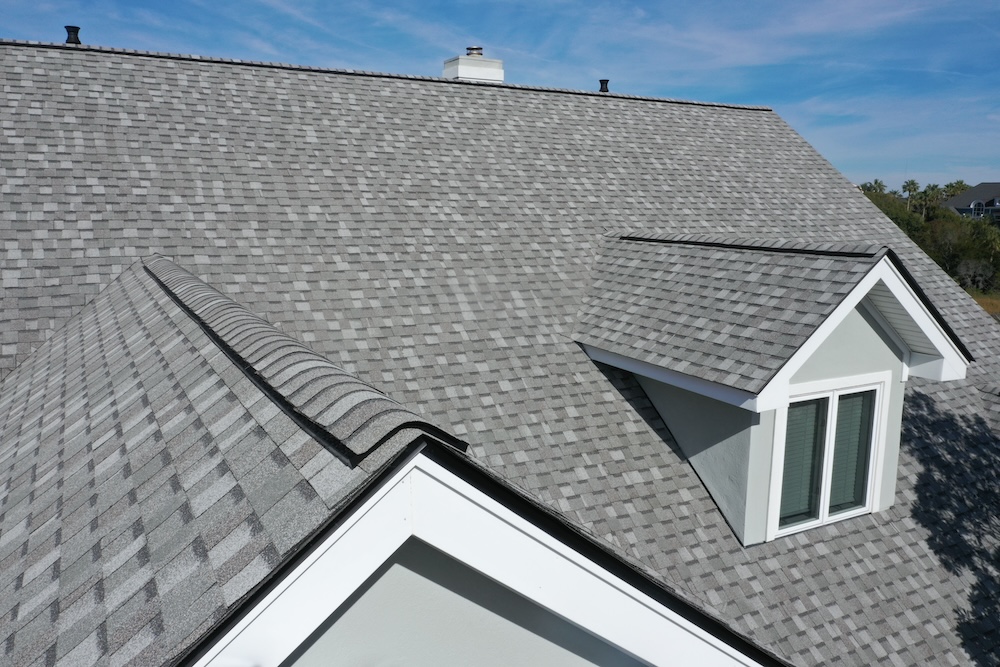
Asphalt shingles remain the most widely used roofing material in North America, covering about 80 percent of residential roofs, according to the Asphalt Roofing Manufacturers Association (ARMA). Their popularity reflects a balance of affordability and durability, supported by mineral components that drive performance. Each asphalt shingle consists of a fiberglass mat coated with asphalt and surfaced with mineral granules. These granules, commonly made from high-quality silica sand, are embedded into the asphalt during manufacturing and serve several essential functions.
UV Protection
Mineral granules shield asphalt from direct ultraviolet exposure. Without this protective layer, UV radiation would accelerate asphalt oxidation, leading to brittleness and cracking. Opaque, coated mineral granules absorb and reflect UV light, significantly slowing weathering and extending shingle service life.Durability and Weather Resistance
The hardness of silica-based granules improves resistance to hail, wind-driven debris and surface abrasion. Granules also contribute to fire resistance by forming a noncombustible outer layer. Quartz, one of the hardest naturally occurring minerals, provides the structural integrity needed to withstand these conditions without degrading over time.Weight and Wind Performance
Mineral content adds significant weight to each shingle, improving resistance to wind uplift and movement. Mineral granules can account for more than one-third of an asphalt shingle's total weight, a critical factor in helping shingles remain securely in place during high-wind events. Added mass supports stability, impact resistance and long-term roof integrity.Adhesion and Handling
Granules must bond securely to the asphalt coating to perform their protective role. Uniform particle size and clean surfaces help ensure consistent adhesion during production. Fine mineral sands are also applied to the back of shingles to prevent them from sticking together in packaging, improving handling and installation efficiency. Inside the asphalt coating itself, mineral fillers contribute to internal strength and cohesion, supporting both manufacturing consistency and field performance.
Beyond Shingles: Minerals Across Roofing Systems
In addition to asphalt shingles, minerals support performance across a wide range of roofing construction materials.
Ceramic and clay tiles rely on silica sand to maintain shape and strength during firing. Silica's thermal stability helps tiles resist cracking and deformation at high temperatures.
Built-up roofing systems use sand or gravel as a protective top layer, shielding underlying bitumen from UV exposure while adding mass and durability. In some formulations, finely ground silica improves reflectivity and surface performance.
Roofing sealants and mastics incorporate mineral fillers to control viscosity, enhance adhesion, and improve cured strength, ensuring reliable sealing under environmental stress.
Across all these applications, the quality and consistency of the mineral inputs directly affect performance, appearance and service life.
Consistency in Roofing Materials
Because mineral performance depends on purity and particle size, roofing manufacturers require materials that meet tight specifications. Variations in grading, moisture or chemistry can lead to surface defects, adhesion issues or inconsistent appearance.
Covia supplies roofing-grade silica materials processed under rigorous quality control programs to ensure predictable performance batch after batch. High-purity quartz minimizes unwanted chemical interactions while controlled sizing supports uniform coverage and adhesion in roofing applications.
Covia's products enhance durability and reduce failures, which directly supports sustainability by extending service life and minimizing waste.
Sustainability Through Smarter Materials
Sustainability in roofing materials also depends on how efficiently materials are manufactured and how safely they are handled throughout production. High-quality mineral fillers support sustainability by enabling tighter process control and minimizing material waste.
Worker safety is a critical part of responsible manufacturing. GRANUSIL DST, Covia's dust-suppressed silica sand, is designed to significantly reduce airborne dust during handling and processing. By minimizing respirable silica exposure, GRANUSIL DST supports safer manufacturing environments while maintaining the performance characteristics required for roofing applications.
Consistent, high-purity minerals also help manufacturers avoid formulation variability that can lead to rejected batches or premature material failure. By supplying reliable materials that support durability and predictable performance, Covia helps extend service life and reduce waste across the roofing product lifecycle.
Covia's Mineral Solutions for Roofing Applications
Covia supports modern roofing systems with mineral products engineered for performance, consistency and safety:
GRANUSIL High Performance Industrial Silica: High-purity silica sand used in roofing granules and backsurfacing applications, delivering UV resistance, durability and consistent appearance.
GRANUSIL DST: Dust-suppressed GRANUSIL that enhances worker safety and operational efficiency during shingle manufacturing.
IMSIL Microcrystalline Silica: Finely ground silica used as a functional filler to improve UV resistance, thermal stability and formulation control in select roofing materials.
Each product is backed by Covia's nationwide supply network and quality-assurance programs, helping roofing manufacturers maintain consistent output and meet demanding specifications.
A Trusted Partner Behind Roofing Performance
Minerals play a critical role in the performance of modern roofing materials and a wide range of building products. By enhancing UV resistance, adding weight and stability and supporting adhesion and durability, silica-based fillers and aggregates help roofing systems stand up to long-term environmental exposure.
Covia delivers these minerals with the consistency, quality control and safety focus roofing manufacturers rely on. Backed by technical expertise, responsive collaboration and a dependable supply network, products like GRANUSIL, IMSIL, and GRANUSIL DST support reliable production and durable roofing systems for residential and commercial buildings across North America.
Click here to read this article on CoviaCorp.com
Contact us to learn more.
View additional multimedia and more ESG storytelling from Covia on 3blmedia.com.
Contact Info:
Spokesperson: Covia
Website: https://www.3blmedia.com/profiles/covia
Email: info@3blmedia.com
SOURCE: Covia
View the original press release on ACCESS Newswire:
https://www.accessnewswire.com/newsroom/en/metals-and-mining/why-minerals-matter-in-todays-roofing-systems-1131195
